
 en
en
 English
Language
Industry News
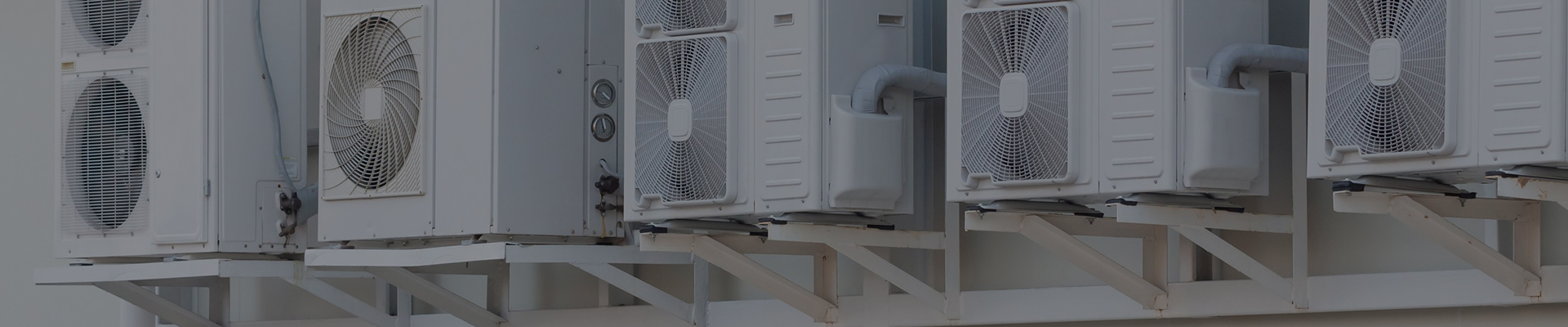
Home > News > Industry News > Next generation air conditioning fan technology: Merging aerodynamics and material science for a quiet and efficient future.
Contact Us Now
Product
Related Product
-
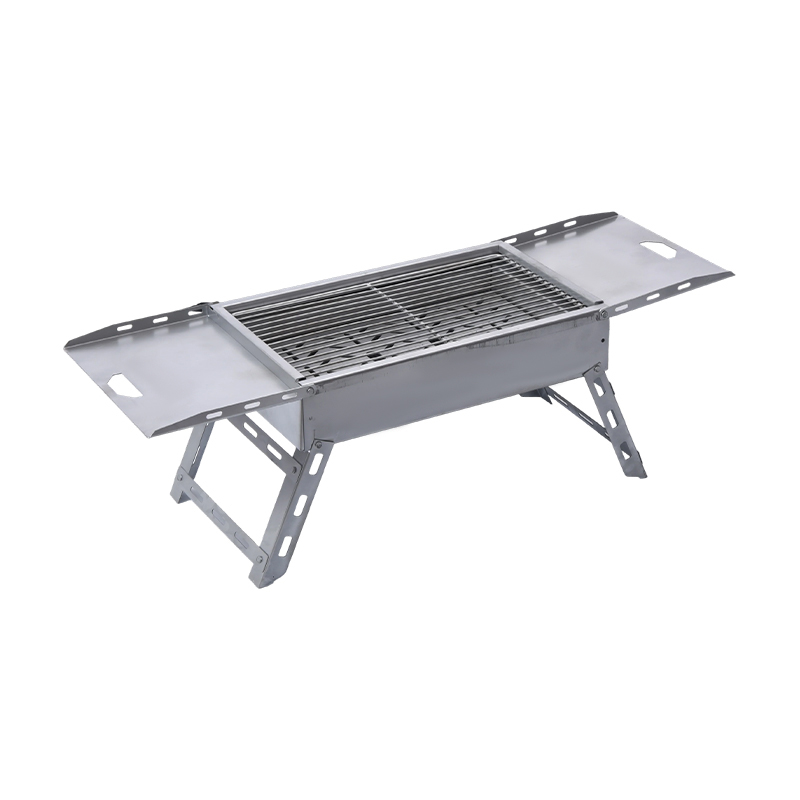
The outdoor stainless steel folding oven is a port...
-
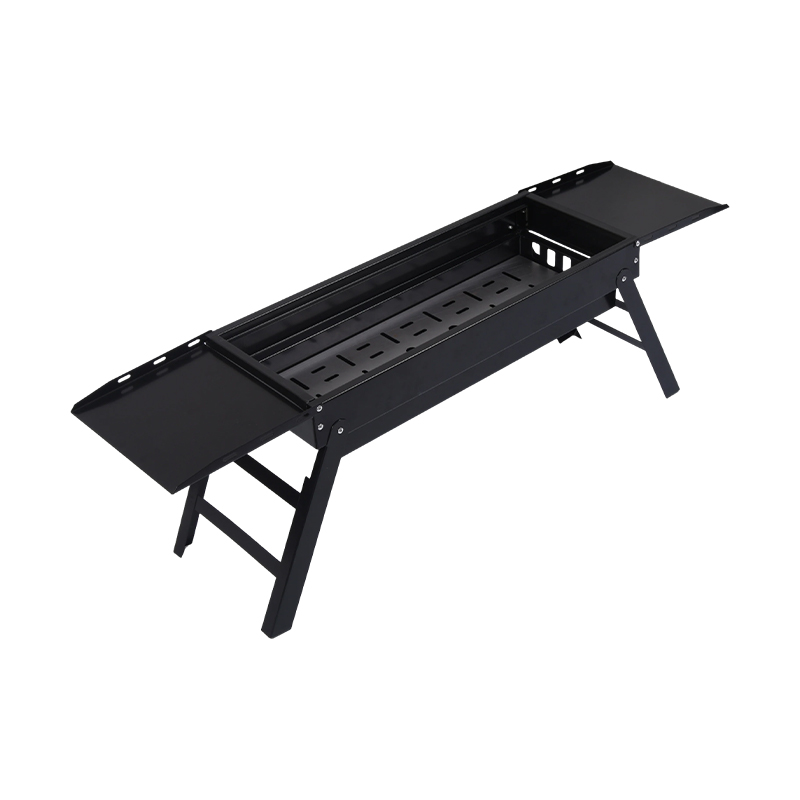
This portable folding charcoal BBQ grill is a ligh...
-
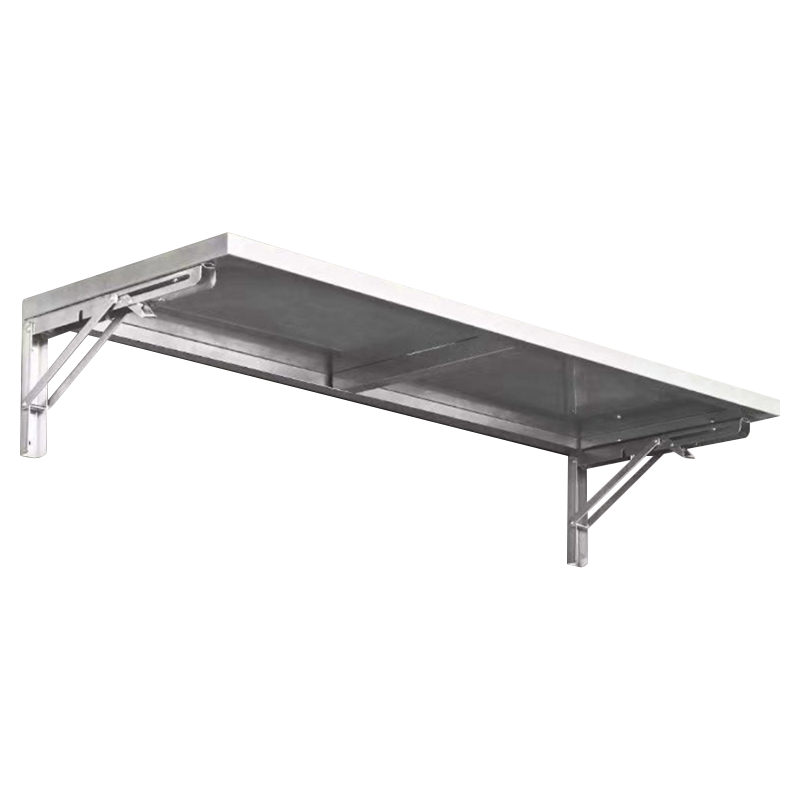
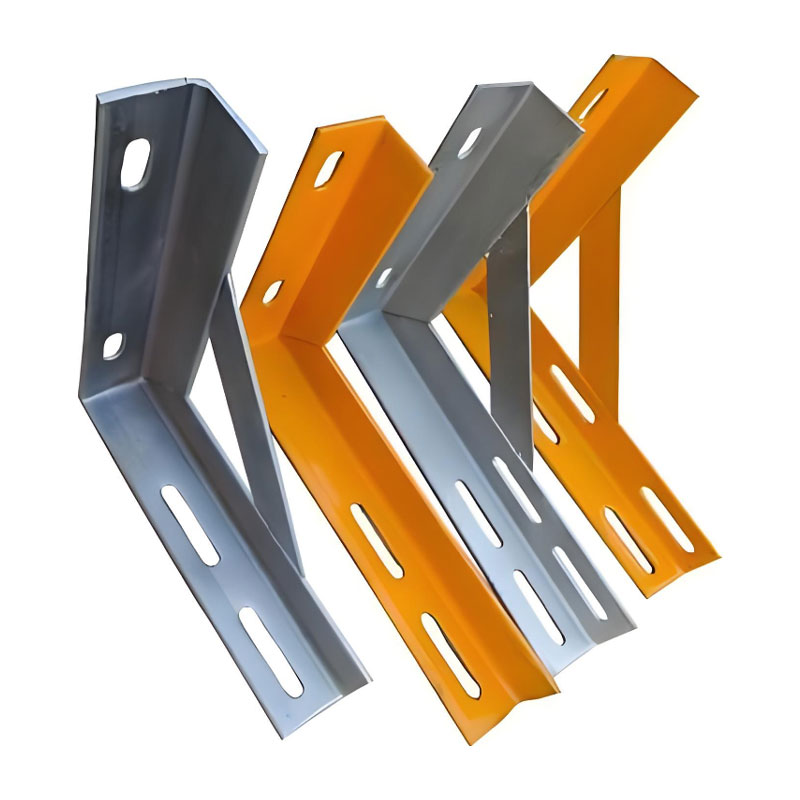
This stainless steel wall-mounted bracket is metic...
-
Central air conditioning fan coil units are the te...
-
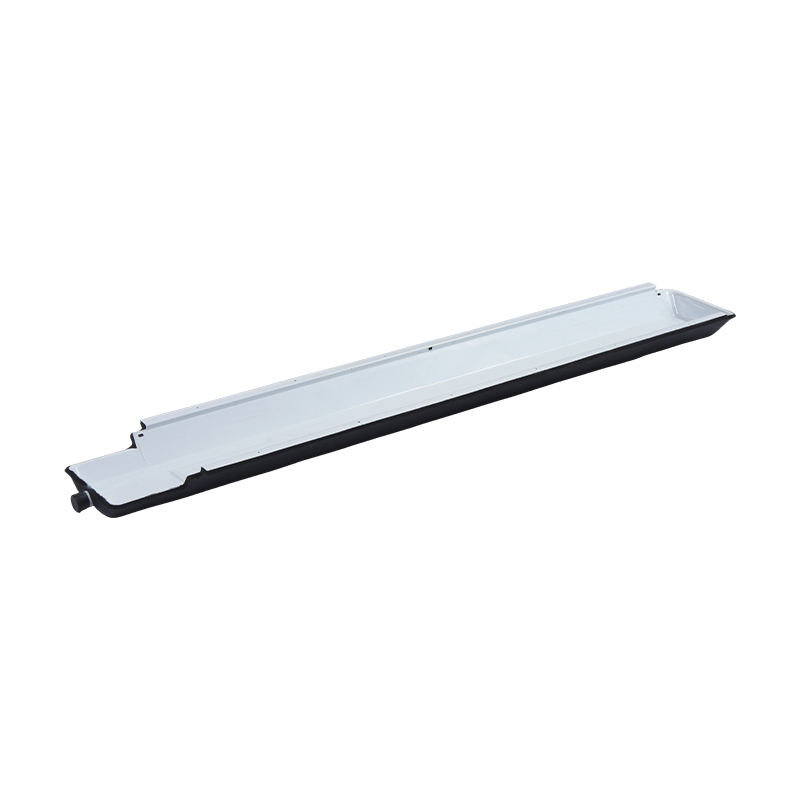
This V-shaped water collection tray is a high-effi...
-
Cold-rolled sheet water collection trays are high-...
-
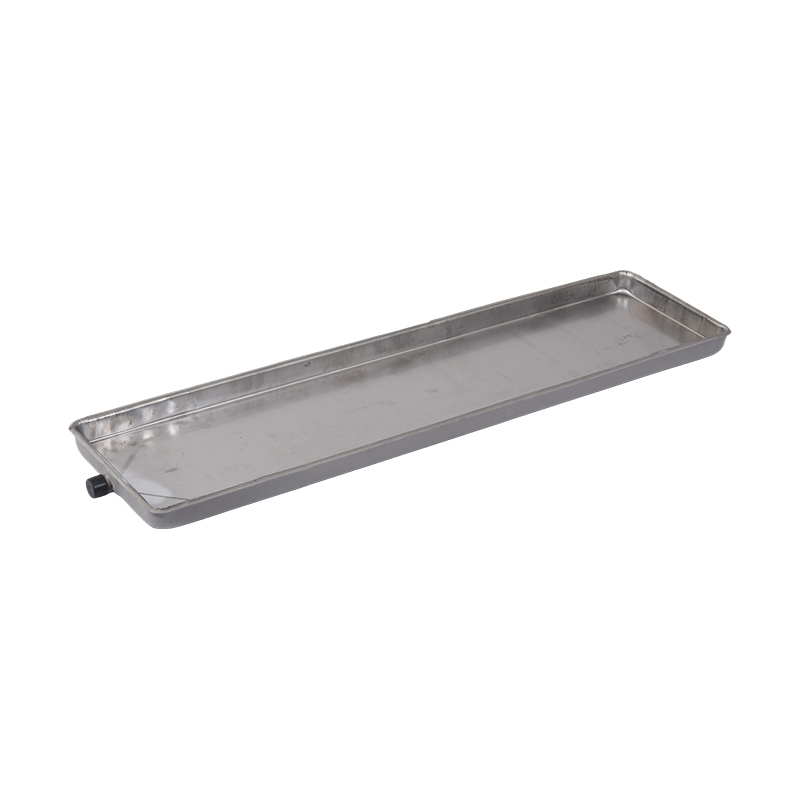
Stainless steel water collection trays are functio...
-
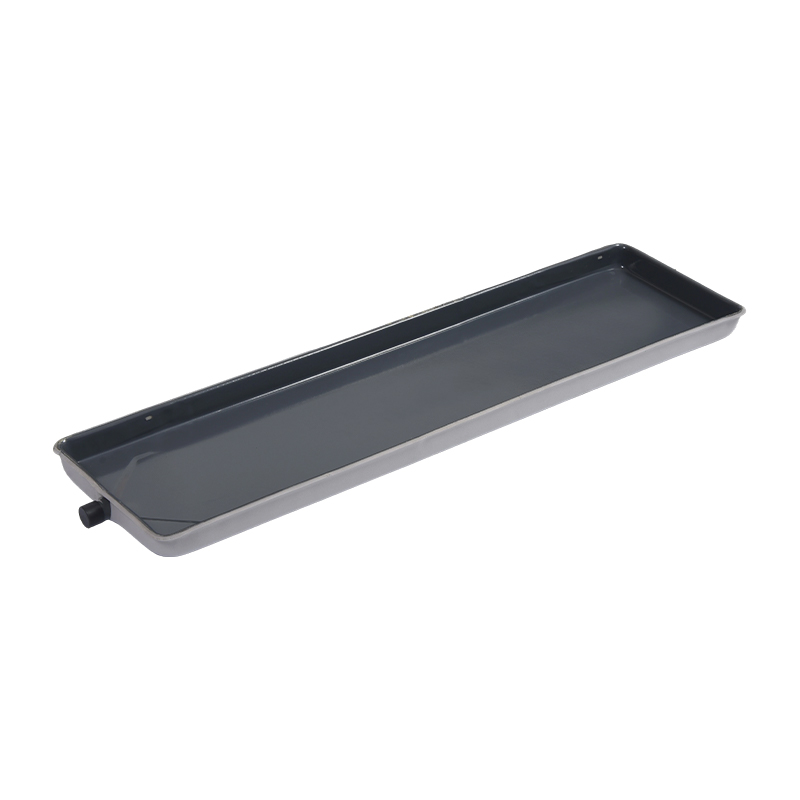
The air conditioner tray drip tray is a crucial co...
-
The natural gas pipe L-shaped bracket is specifica...
-
The central air conditioning return air box is a c...
-
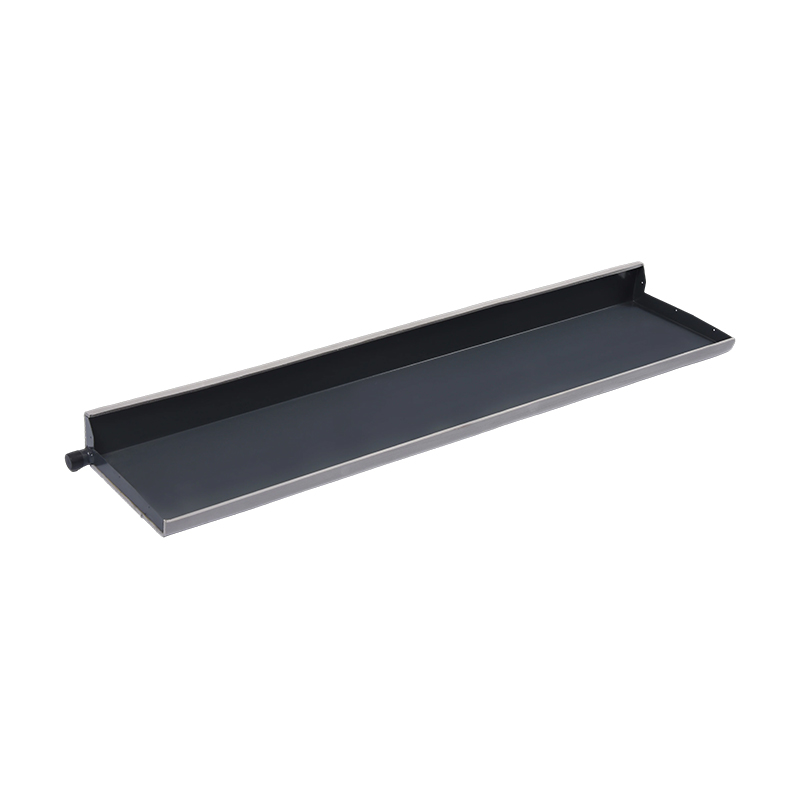
The suspended air conditioner drip tray is a criti...
-
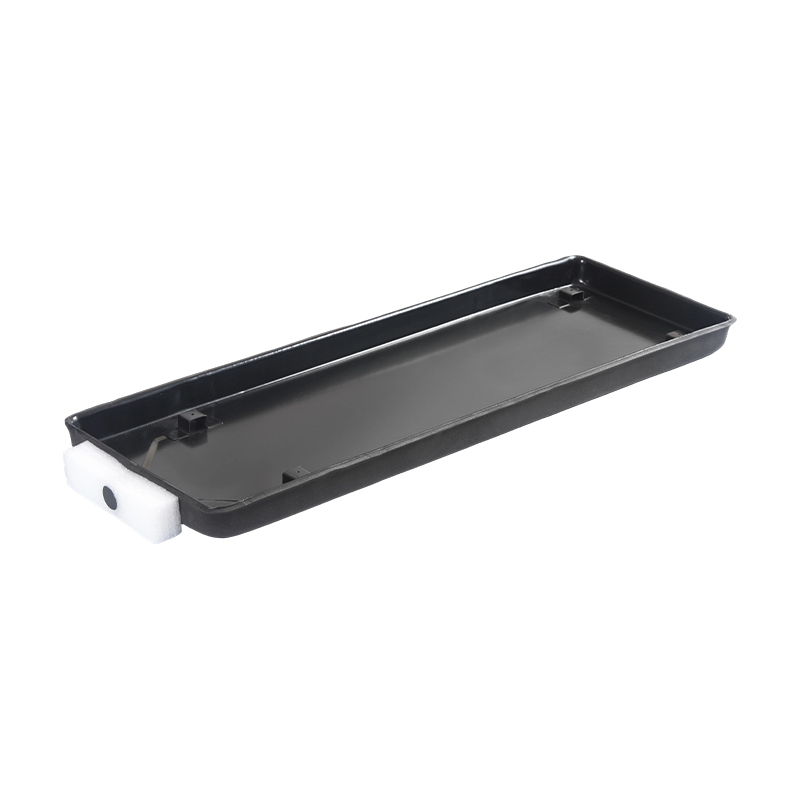
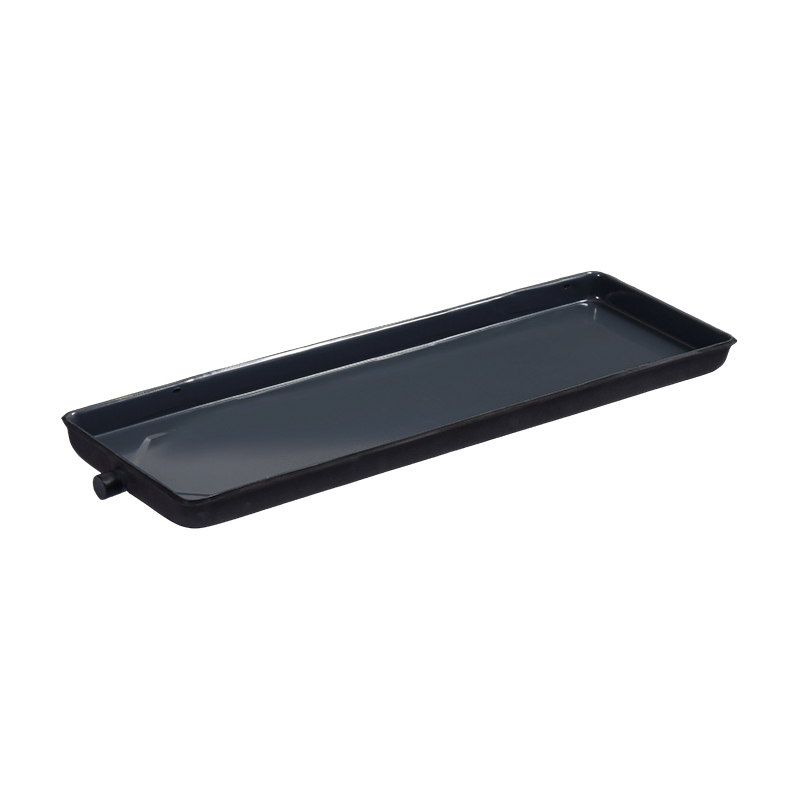
The black air conditioner drain pan is a high-perf...



Contact info.
 +86-0574-63301198
 +86-13706742730
 [email protected]
 No. 939, Qiye Road, Zhouxiang Town, Cixi City, Ningbo City, Zhejiang Province, China
Get A Free Quote
Copyright © Cixi Chenfeng Electric Co., Ltd All Rights
Reserved
