

 English
  中文简体
中文简体  русский
  Français
  عربى
عربى  Español
HVAC Condenser Parts Manufacturers
-
The Central Air Conditioning Fan Coil Unit is an e...
-
The V-Shaped Air Conditioner Water Collection Tray...
-
Cold-rolled sheet water collection trays are high-...
-
The Stainless Steel Water Collection Tray is a hig...
-
The Air Conditioner Drip Tray (HVAC Condensate Dra...
-
Central air conditioning return air boxThe central...
-
The Suspended Air Conditioner Drip Tray is a speci...
-
The Black Air Conditioner Drain Pan is a high-perf...
-
Rectangular air conditioner drip trays are a key c...
-
The air conditioner condensate tray is a critical ...
-
The Air Conditioner L Mounting Bracket is a profes...
-
Stainless Steel (201) Price: 8 USD (Other material...

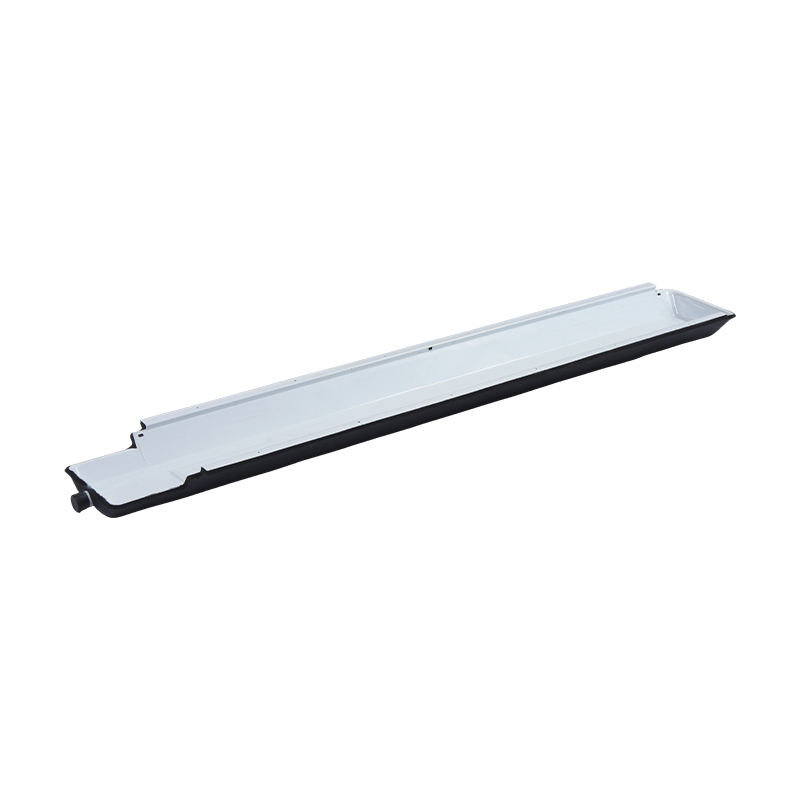
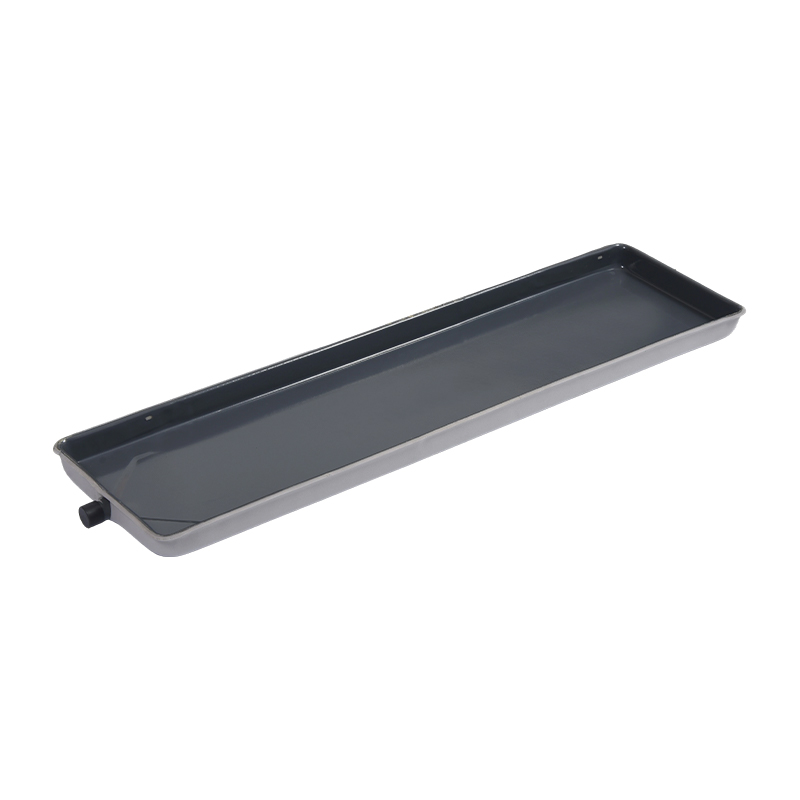
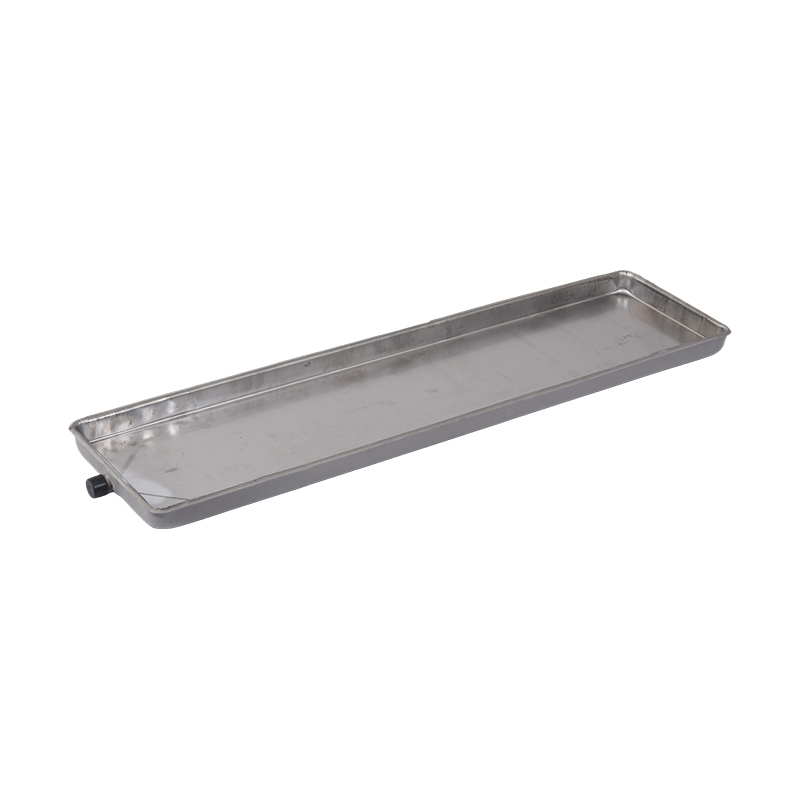
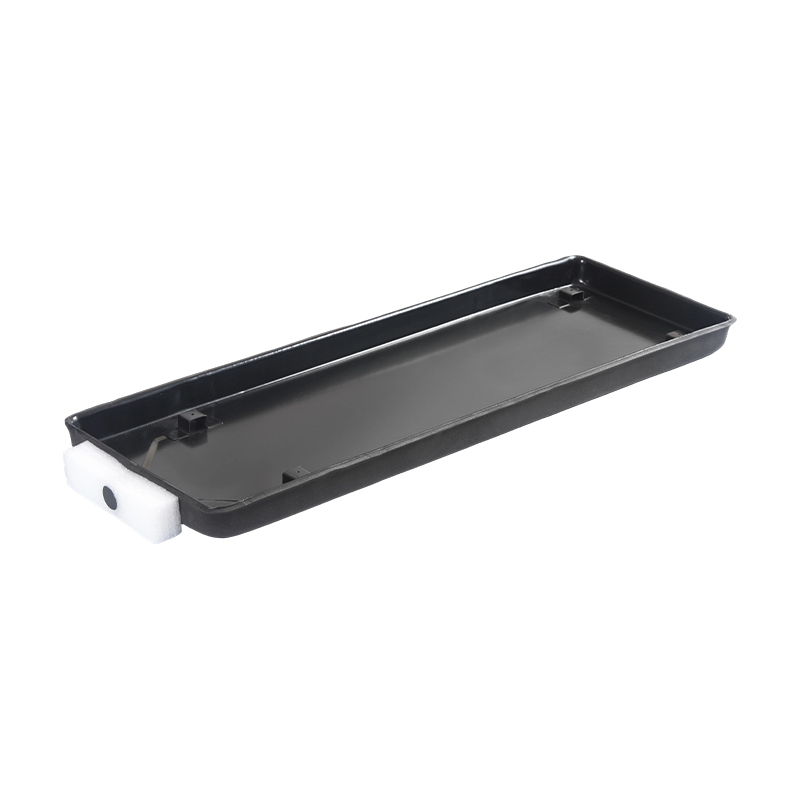

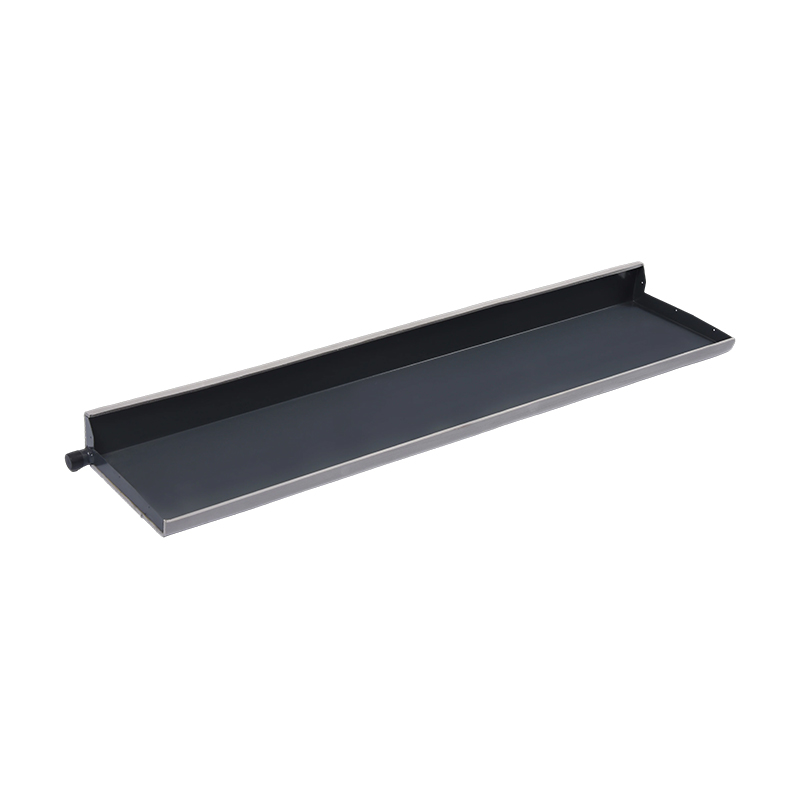
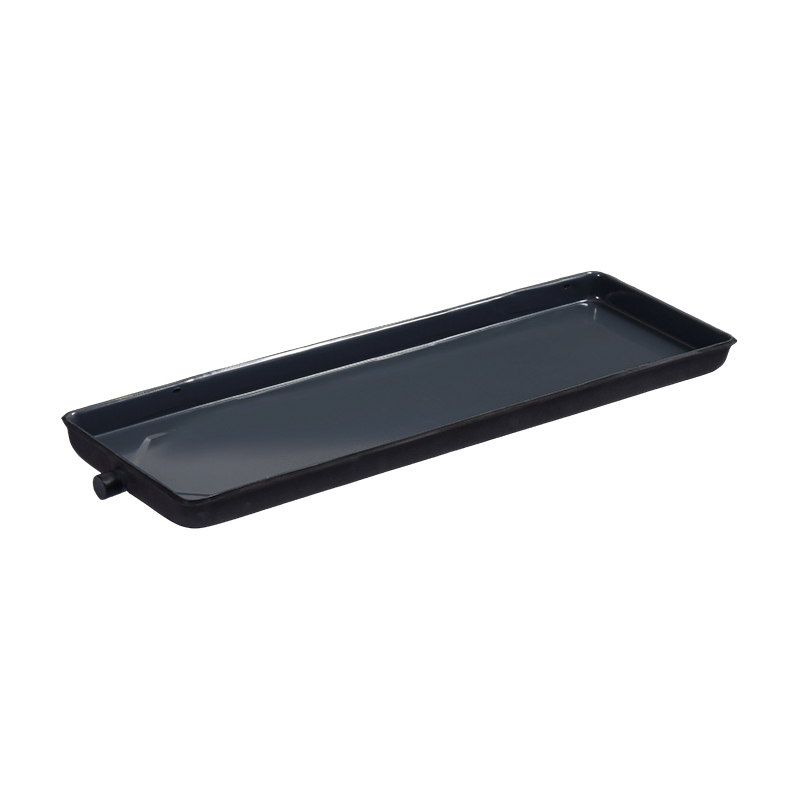
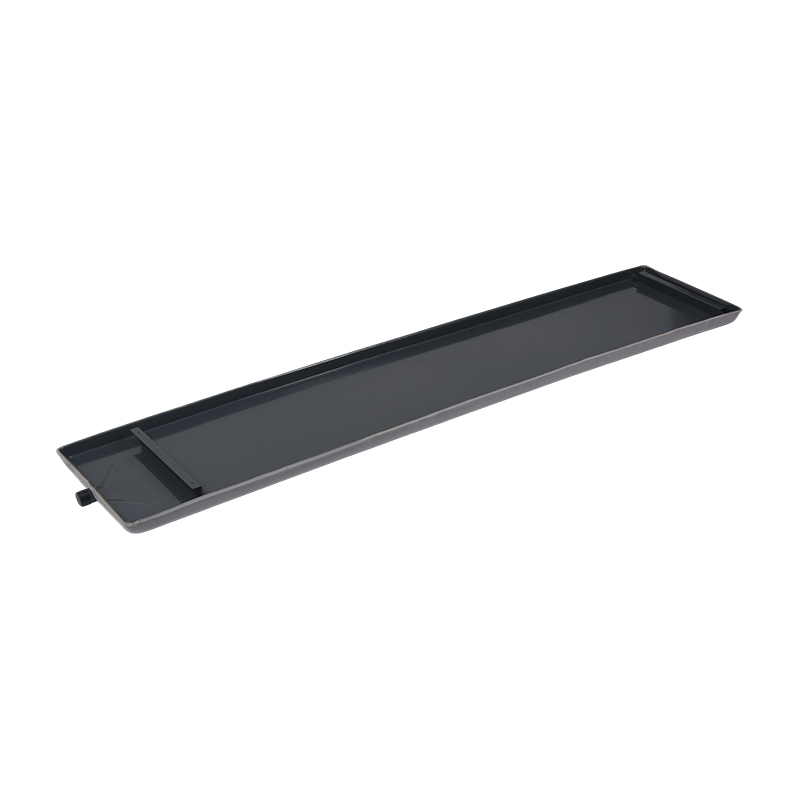
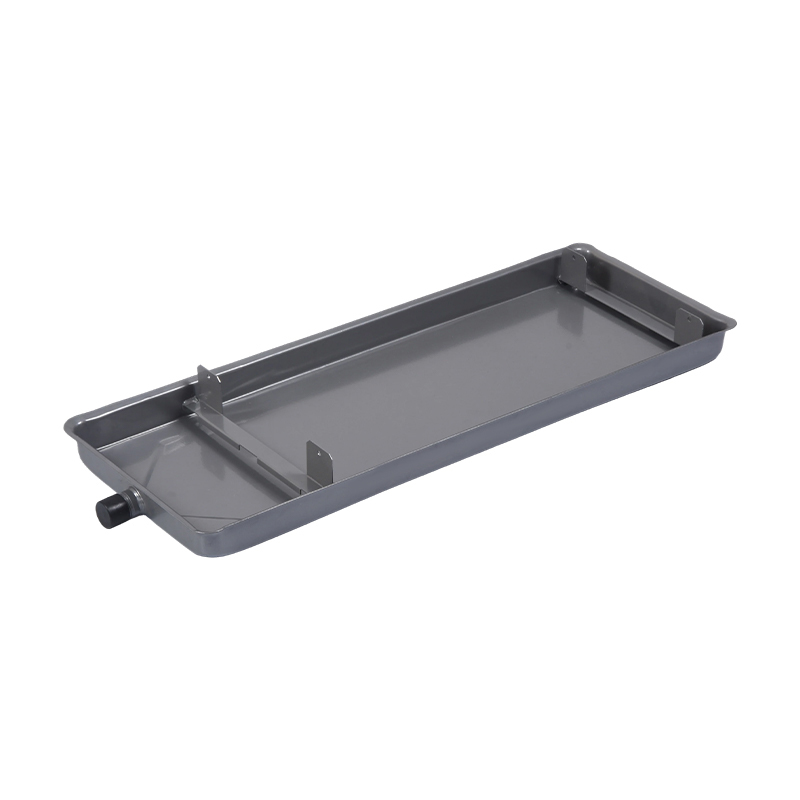
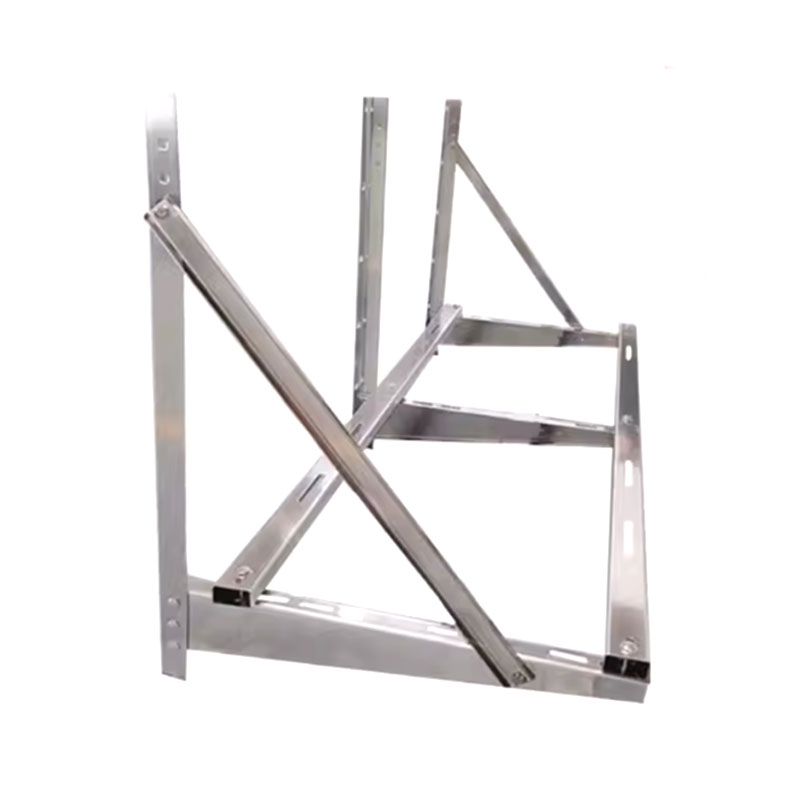

Our Air Conditioner Drain Pan and Outdoor Unit Bracket series provides reliable supporting components for residential, commercial, and industrial HVAC systems. We specialize in the manufacturing and customization of air conditioner drain pans and outdoor unit brackets, focusing on structural stability, corrosion resistance, drainage performance, and installation convenience. With flexible options for materials, dimensions, structures, and surface finishes, we help HVAC manufacturers, distributors, contractors, and OEM/ODM partners meet diverse project requirements.
Key Products & Manufacturing Capabilities
1. Air Conditioner Drain Pans
-
Efficient Drainage: Designed to collect and discharge condensate, helping reduce water leakage risks and protect surrounding equipment.
-
Custom Manufacturing: Available in various sizes, shapes, and configurations to fit different air conditioning units and installation environments.
-
Material Options: Manufactured using galvanized steel, stainless steel, aluminum, and other suitable materials according to application requirements.
2. Outdoor Unit Brackets
-
Stable Structural Support: Engineered to securely support outdoor air conditioning units and maintain reliable installation stability.
-
Durable Construction: Available in different metal thicknesses, dimensions, and structural designs to meet specific load-bearing requirements.
-
Flexible Customization: Supports customized dimensions, mounting hole positions, bracket structures, and surface treatments for different HVAC models and projects.
3. Customization & OEM/ODM Services
-
Material and Specification Selection: Customized material, thickness, dimensions, and structural configurations based on customer drawings or samples.
-
Surface Treatment: Multiple finishing options to improve corrosion resistance and product durability in different operating environments.
-
B2B Project Support: Flexible manufacturing solutions for HVAC equipment manufacturers, wholesalers, importers, and engineering procurement projects.
Our goal is to provide dependable HVAC supporting accessories that simplify installation, improve equipment compatibility, and support long-term system performance.
About Us
Cixi Chenfeng Electric Co., Ltd
Cixi Chenfeng Electric Co.,Ltd.is a
professional
enterprise in the
electrical field,
focusing on the development and production of central air conditioning accessories.
Cixi Chenfeng Electric Co., Ltd is a China wholesales air conditioner components manufacturers and HVAC condenser components Company. We provide wholesale ODM/OEM customization services.
With excellent technical strength, reliable product quality and good market reputation, the company occupies an important position in the central air conditioning accessories industry. The company occupies an important position in the central air conditioning accessories industry. The company occupies an important position in the central air conditioning accessories industry.
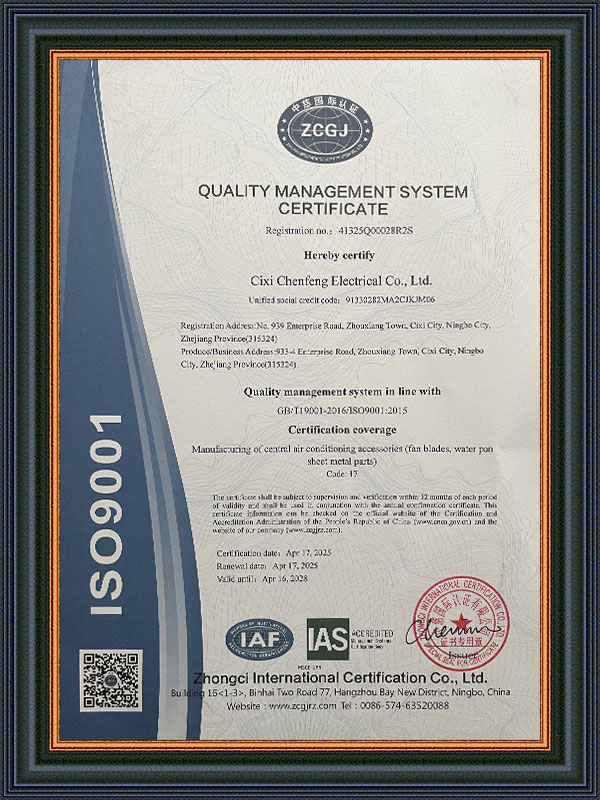
Certificate Of Honour
Message Feedback
Air Conditioner Drain Pan And Outdoor Unit Bracket Industry knowledge
Introduction to HVAC Condenser Parts
The condenser is one of the most critical assemblies in any HVAC system, responsible for releasing heat absorbed from indoor spaces to the outside environment. Understanding HVAC condenser parts — from coils and fan motors to drain pans and brackets — is essential for engineers, contractors, and facility managers who want to maximize system reliability, efficiency, and service life. As the global HVAC market surpasses USD 240 billion in 2024, demand for high-quality condenser components continues to accelerate across residential, commercial, and industrial sectors.
A condenser unit failure can reduce system efficiency by 20–40% and lead to costly unplanned downtime. Selecting the right components — and maintaining them properly — is therefore not just a technical decision but a significant financial one.
1. Core Components of an HVAC Condenser
A complete condenser assembly integrates multiple parts that must work in precise coordination. Each component plays a specific role in the heat rejection cycle.
(1) Condenser Coil
The condenser coil — typically constructed from copper tubes with aluminum fins — transfers heat from the refrigerant to the ambient air. Modern micro-channel coils offer up to 30% better heat transfer efficiency and reduced refrigerant charge compared to traditional round-tube plate-fin designs. Coil geometry, fin spacing (commonly 12–20 fins per inch), and airflow direction all directly affect performance.
(2) Condenser Fan Motor
The fan motor drives airflow across the coil to facilitate heat rejection. ECM (Electronically Commutated Motor) condenser fans are now preferred in high-efficiency systems, consuming 30–50% less energy than traditional PSC motors. Fan blade pitch, diameter, and RPM must be carefully matched to coil face area for optimal static pressure and airflow.
(3) Compressor
The compressor pressurizes refrigerant vapor before it enters the condenser coil. Scroll compressors dominate the commercial market, offering 10–15% higher efficiency than reciprocating types, lower noise levels (typically 55–65 dB(A)), and greater reliability due to fewer moving parts.
(4) Drain Pan
The drain pan collects condensate and prevents water damage to the unit structure and surrounding building elements. Depending on the application, drain pans are specified as Insulated drain pans, Stainless steel HVAC drain pans, Galvanized steel HVAC drain pans, or Custom aluminum HVAC drain pans. Material selection depends on corrosion exposure, operating temperature, and load-bearing requirements.
(5) Mounting Brackets and Housing
The outer cabinet and internal mounting brackets hold all components in alignment and protect them from environmental exposure. Outdoor condenser brackets must resist UV degradation, thermal cycling, and wind loads — requirements that demand precision-engineered, corrosion-resistant metalwork.
2. HVAC Drain Pans: Types, Materials, and Selection
The drain pan is often an underappreciated condenser component, yet it plays a decisive role in preventing water damage, mold growth, and structural corrosion. Selecting the correct drain pan type for the application is critical.
| Material Type | Corrosion Resistance | Load Capacity | Best Application |
|---|---|---|---|
| Stainless Steel | Excellent | High | Commercial & Industrial |
| Galvanized Steel | Good | High | General Commercial |
| Aluminum | Very Good | Medium | Lightweight Applications |
| Insulated Pan | Good | Medium | Cold Climate / Freeze Risk |
(1) Commercial and Industrial Drain Pans
For large-scale installations, Commercial HVAC drain pans and Industrial HVAC drain pans must handle significantly higher condensate volumes — sometimes exceeding 50 liters per hour in humid climates. Heavy duty HVAC drain pans fabricated from 16-gauge or heavier stainless steel or galvanized steel provide the structural integrity needed for rooftop and mechanical room environments where equipment loads are substantial.
(2) Fan Coil Unit Drain Pans
The Fan coil unit drain pan is engineered to fit precisely beneath FCU coils, collecting condensate without overflow risk. These pans are available as Custom square and rectangular drain pans and Custom size HVAC drain pans to match the exact footprint of any FCU model. Insulated versions prevent external condensation on the pan surface — a common issue in high-humidity environments.
(3) Freeze-Resistant and Specialty Drain Pans
In cold climates where ambient temperatures regularly fall below 0°C, a Freeze resistant galvanized drain pan with integrated heating elements or sloped design prevents ice blockages that can cause overflow and structural water damage. Custom aluminum drain pans are favored where weight savings are critical, such as rooftop installations on lightweight steel structures.
3. Key Selection Criteria for HVAC Condenser Parts
Choosing the right condenser components requires evaluating several interdependent factors:
- Operating environment: Coastal, industrial, or chemical exposure zones demand corrosion-resistant materials such as Stainless steel drain pans or epoxy-coated coils.
- Load and capacity: Heavy duty drain pans and reinforced brackets are required when equipment weight exceeds standard thresholds.
- Climate conditions: Cold regions require Freeze resistant galvanized drain pans and low-ambient fan speed controls.
- Dimensional requirements: Non-standard installations benefit from Custom size drain pans and Custom square rectangular drain pans fabricated to precise specifications.
- Regulatory compliance: Commercial and industrial projects must meet ASHRAE 15, local building codes, and environmental standards for refrigerant management.
4. About Cixi Chenfeng Electric Co., Ltd.
Cixi Chenfeng Electric Co., Ltd. is a professional enterprise in the electrical field, focusing on the development and production of central air conditioning accessories. As a leading China custom outdoor stainless steel bracket factory and outdoor metal brackets manufacturer, Cixi Chenfeng provides wholesale ODM/OEM customization services to global clients.
With excellent technical strength, reliable product quality, and strong market reputation, the company occupies an important position in the central air conditioning accessories industry. Their extensive product range covers Galvanized steel HVAC drain pans, Custom aluminum HVAC drain pans, Commercial drain pans, Industrial drain pans, mounting brackets, and a full suite of condenser accessories. Cixi Chenfeng's precision manufacturing capabilities and rigorous quality control make them a trusted OEM/ODM partner for HVAC system integrators, contractors, and equipment manufacturers worldwide.
5. Frequently Asked Questions
Q1: What material is best for an HVAC drain pan in a coastal environment?
In coastal or high-salinity environments, a Stainless steel HVAC drain pan — specifically Grade 316 stainless steel — offers the best corrosion resistance. Standard galvanized steel pans may show surface rust within 3–5 years in such conditions, while 316 stainless steel maintains integrity for 15–20+ years with minimal maintenance. For budget-constrained projects, epoxy-coated Galvanized steel drain pans provide a middle-ground solution.
Q2: Can I order a custom-sized drain pan for a non-standard FCU installation?
Yes. Manufacturers like Cixi Chenfeng Electric Co., Ltd. specialize in Custom size HVAC drain pans and Custom square and rectangular drain pans fabricated to exact dimensions provided by the client. Whether you need a Custom aluminum drain pan for a lightweight rooftop installation or a Heavy duty HVAC drain pan for an industrial chiller application, ODM/OEM services can accommodate virtually any specification, including custom drain outlet locations, insulation thickness, and surface coatings.
Q3: How often should condenser parts be inspected and replaced?
A thorough condenser inspection should be conducted at least twice per year — ideally before the cooling season and after the heating season. Coil fins should be cleaned annually to maintain heat transfer efficiency; studies show that dirty coils can reduce system efficiency by up to 37%. Drain pans, including Fan coil unit drain pans and Commercial HVAC drain pans, should be inspected quarterly for sediment buildup, cracks, and drain blockages. Fan motor bearings typically require replacement every 5–10 years, while compressors have an average service life of 12–20 years under well-maintained conditions.
Q4: What is the advantage of an insulated drain pan over a standard drain pan?
An Insulated drain pan features a layer of closed-cell foam or similar insulation bonded to the exterior surface of the pan. This prevents external condensation from forming on the pan's outer surface when cold water or refrigerant is present — a common problem in humid climates that can lead to ceiling water damage and mold growth. Insulated pans are especially important for Fan coil unit drain pans installed in ceiling-concealed configurations where any external moisture drip would be invisible until significant damage has occurred.

Contact info.
+86 17398066504 [email protected]
+86 17398066504
[email protected]
[email protected]
+86 17398066504
[email protected]
 +86-0574-63301198
 +86-13706742730
 No. 939, Qiye Road, Zhouxiang Town, Cixi City, Ningbo City, Zhejiang Province, China
Hot Products
Stainless Steel Equipment & Folding BBQ Grill Series Air Conditioner Drain Pan And Outdoor Unit Bracket Ventilation FansGet A Free Quote
Copyright © 2025 by Cixi Chenfeng Electric Co., Ltd All Rights Reserved. HVAC Condenser Parts Manufacturers Air Conditioner Components Company
