

 English
 中文简体
 русский
 Français
 عربى
 Español
Industry News
Camping BBQ Grill Buying Guide: Folding Design, Steel Gauge and OEM Sourcing
Three kilos of grill, forty minutes of walking from the car park, and a latch that will not stay shut: that is where a camping BBQ grill is actually judged, not in the product photo. The short answer is to buy on three things — how the frame locks when folded, what the firebox is made of, and how the air reaching the coals is controlled. The badge on the lid comes last.
A grill that passes those three checks is still usable after five seasons. One that fails them starts rattling in the second summer and gets replaced. What follows is how to run the checks in a shop, a warehouse or a sample room, with the numbers that decide the outcome.
Content
Start With the Fold, Not the Flame
Most returns on portable grills trace back to the folding mechanism, not the cooking surface. The hinge takes load every time the lid opens, and the legs take it every time the unit is set down on uneven ground. Four details separate a mechanism that lasts from one that loosens.
- Hinge pin diameter. A single 3 mm pin through two thin tabs will ovalise its hole within a season. Look for 4 mm or more, or a full-width piano hinge with the pin captured at both ends.
- Latch type. Friction catches loosen with heat cycling. A spring latch or cam lever that clicks once and stays put is worth the extra cost on a grill that travels.
- Leg lock. Legs should lock at their open angle rather than rely on friction. Push sideways on the frame while it stands; any wobble shows up later as spilled ash on a picnic table.
- Weld spacing. On spot-welded bodies, spacing beyond roughly 40 mm lets panels flex, and the coating crazes first at the corners.
A practical field test: open and lock the grill, then press one corner down with your body weight. If the opposite leg lifts more than a couple of millimetres off the floor, the frame is too light for the firebox it carries. The same test on a loaded sample — grate, coal tray and ash pan in place — tells you what the grill will do with 2 kg of charcoal inside it.
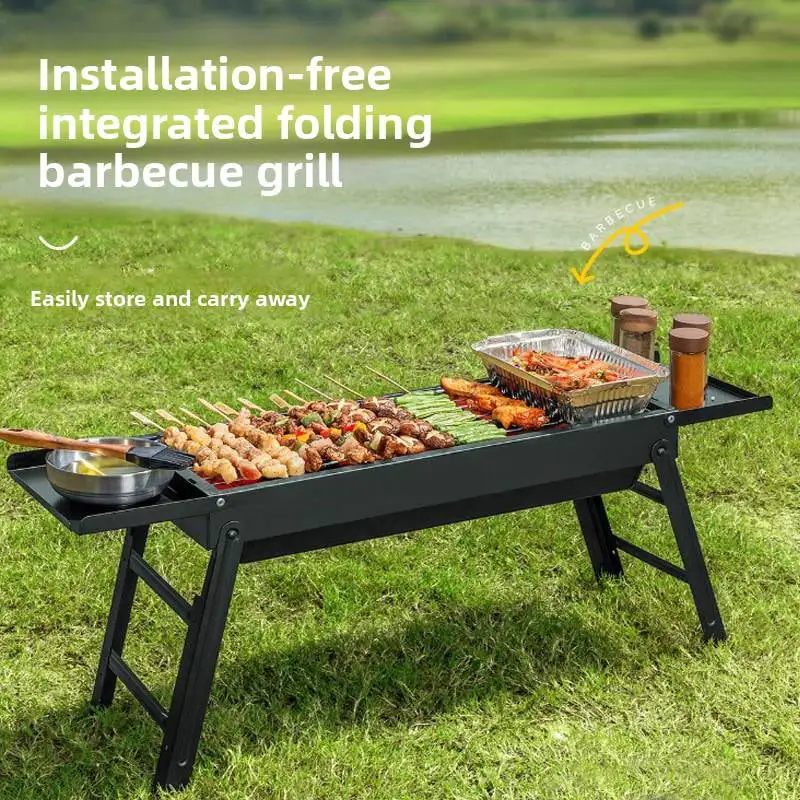 Portable Folding Charcoal BBQ GrillThis foldable charcoal grill offers iron or stainless steel options and a modular combustion system, worth checking for portable use and material choices.View Product →
Steel Grade and Gauge Decide Service Life
Two grills can look identical in a photograph and differ by two years of use. The difference sits in the sheet: alloy, thickness and coating system. Enamel on 0.8 mm cold-rolled steel is reasonable for a grill used a dozen times a year. A 1.0 to 1.2 mm 304 stainless body is what holds up to weekly use, coastal air and the occasional forgotten night of ash.
| Material | Typical gauge | Corrosion behaviour | Under heat | Best fit |
|---|---|---|---|---|
| 304 stainless steel | 0.8–1.2 mm | High; no coating to chip | Spreads slowly, keeps shape | Coastal use, rental fleets, long-life retail |
| Cold-rolled steel, enamel | 0.8–1.0 mm | Medium; chips expose bare steel | Even heat, but chips rust first | Volume retail, entry price points |
| Galvanized steel | 1.0–1.2 mm | Medium in dry storage | Zinc can discolour above 200 °C | Inner trays, ash pans, brackets |
| Aluminum | 1.5–2.0 mm | Good, but soft and easily dented | Spreads heat fast, warps near coals | Lids and lightweight bodies |
Grade alone does not rescue a thin body. A 0.6 mm stainless shell distorts under heat cycling, opens gaps at the seams and traps moisture in the folds, so the corrosion advantage of the alloy disappears in the first season. The same specification logic runs through the outdoor stainless steel oven range, where wall thickness and weld quality matter more than the alloy name on the label.
Airflow and Heat Spread
Charcoal needs a controlled supply of air from below and a clear path for ash to drop away. On a folding grill, that control lives in three places: the vent slots in the firebox wall, the gap between the coal tray and the grate, and the ash pan underneath.
Two numbers matter here. First, the coal-to-grate distance: under 60 mm and the grate runs hot enough to scorch food before the centre is cooked; over 100 mm and a portable grill struggles to reach searing temperature with a normal charge of charcoal. Second, vent open area: roughly 8 to 12 cm² of total inlet area is a workable range for a 45 cm grill body, and sliding or rotating dampers should close to less than 20 percent of that so the fire can be shut down after cooking.
That spread explains a common complaint. Aluminum bodies even out temperature quickly but bow near the coal bed; stainless holds shape but concentrates heat directly above the coals. A 1.0 mm stainless firebox with an aluminum lid is often the better compromise than an all-aluminum shell.
Weight, Packed Volume and the Load Path
Portability is a specification, not a feeling. Buyers who carry a grill more than a few hundred metres should treat these ranges as targets rather than preferences.
- Handle load should pass through the frame, not through a single riveted plate; a handle that pulls on 0.8 mm sheet will tear.
- Folded thickness is usually limited by the legs, not the body — check the leg fold before judging the box size.
- Grills above 8 kg are car-camping equipment regardless of how the marketing describes them.
Safety and Compliance Details Buyers Skip
These are the items that turn up in a recall notice or an import inspection rather than a review.
- Leg locking in both directions, so the grill cannot collapse when nudged from the side.
- Edge radii on all reachable sheet edges, typically 0.5 mm minimum after deburring.
- Food-contact surfaces free of galvanized zinc and lead-bearing coatings; enamel and 304 stainless are the usual safe choices.
- Stability under a 10° tilt with a full coal charge, which is the practical difference between a picnic table and soft ground.
- Documented coating and material declarations when the destination market requires them, checked against the actual production batch rather than a sample.
What OEM and Private-Label Buyers Should Specify
For importers and brand owners, the purchase order should pin down sheet grade and thickness with a tolerance, hinge pin diameter, latch type, coating system and film thickness, packing dimensions and the drop test the carton must survive. Ambiguity on any one of these moves cost into the claim column later.
Cixi Chenfeng Electric Co., Ltd. is a professional enterprise in the electrical field, focusing on the development and production of central air conditioning accessories. We are a professional air conditioner parts manufacturer and sheet metal parts factory. With excellent technical strength, reliable product quality and good market reputation, the company occupies an important position in the central air conditioning accessories industry. We specialize in the production of air conditioning accessories and other custom sheet metal parts, including brackets, water trays, etc., with precision manufacturing and strict quality control, we provide solid quality assurance for air conditioning systems.
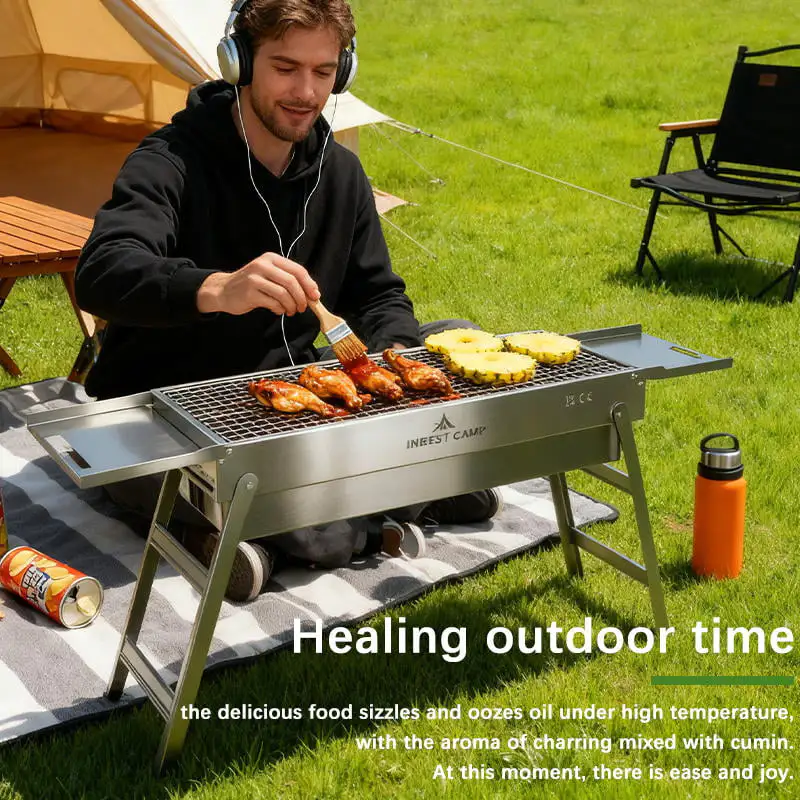 Outdoor Stainless Steel Folding Charcoal BBQ GrillThis 304 stainless steel folding charcoal grill is produced with the same sheet metal processes, offering a compact, coating-free option for camping and group meals.View Product →
The same press lines, bending equipment and inspection routines that produce HVAC brackets and drain pans also handle folding grill bodies, coal trays and handles in stainless, galvanized and cold-rolled sheet. Buyers who want to verify capacity before placing a tooling order can walk the factory overview and review the equipment list, then request a sample in the target gauge rather than a showpiece polished unit.
Common Questions From Grill Buyers
Only with a heat barrier. Radiant heat from the firebox and the leg contact points will mark timber. A 10 mm insulating mat under the legs and a cleared 300 mm gap around the body is the usual practice.
0.8 mm enameled cold-rolled steel suits occasional use. For weekly use or coastal storage, 1.0 to 1.2 mm 304 stainless holds shape and resists rust far longer.
Charcoal gives flavour and needs no fuel canister, but many parks restrict open coals. Gas starts faster and is allowed in more campsites. Decide by the sites you actually visit.
Empty the ash pan the same day, since ash holds moisture. Let the grill dry fully open before folding, and never store it in a sealed bag while still warm.
For carrying any distance, 3 to 6 kg works for one or two people. Above 8 kg the grill belongs in a car boot, not a rucksack.
Ask for tooling and unit price separately, plus sheet grade, thickness tolerance, coating spec, packing size and the sample approval step. Quotes without those items are not comparable.
-
Material: Iron: 23.83 USDStainless Steel: 44 .15 U...
-
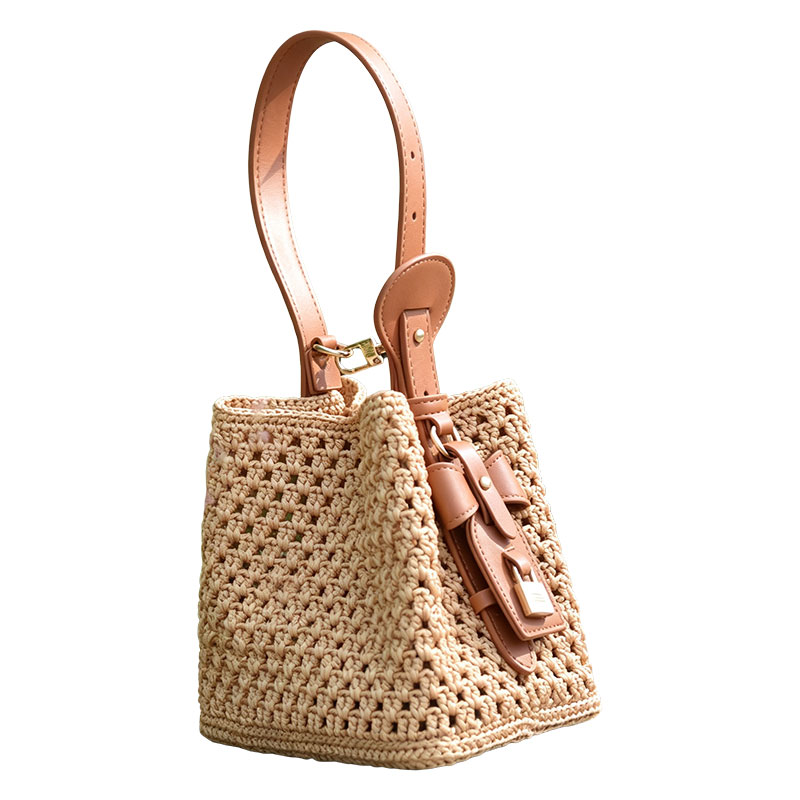
Detailed Description: Featuring a light brown open...
-
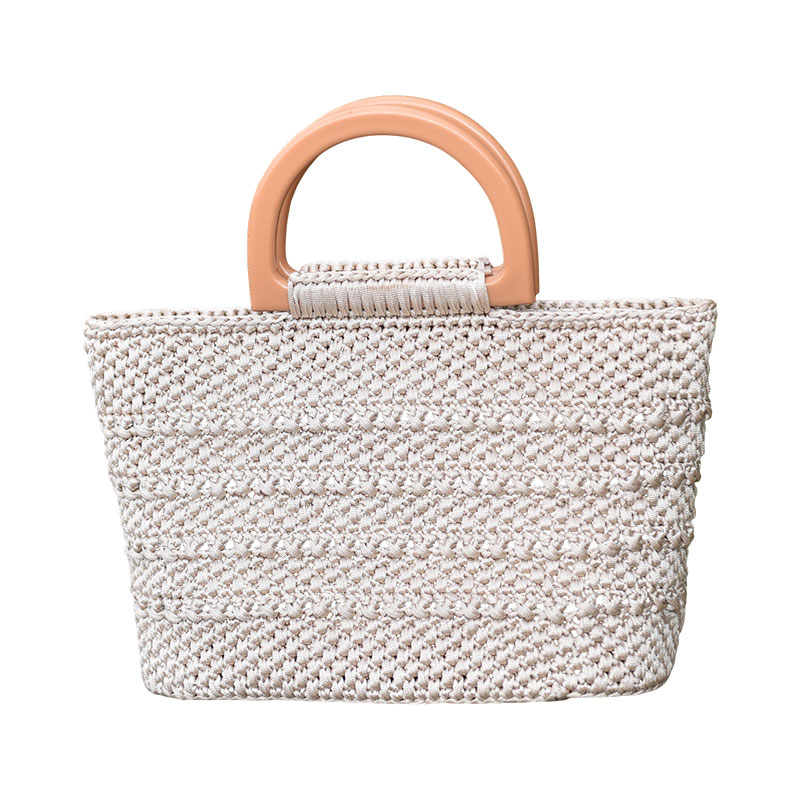
Detailed Description: Made with a cream pure handw...
-
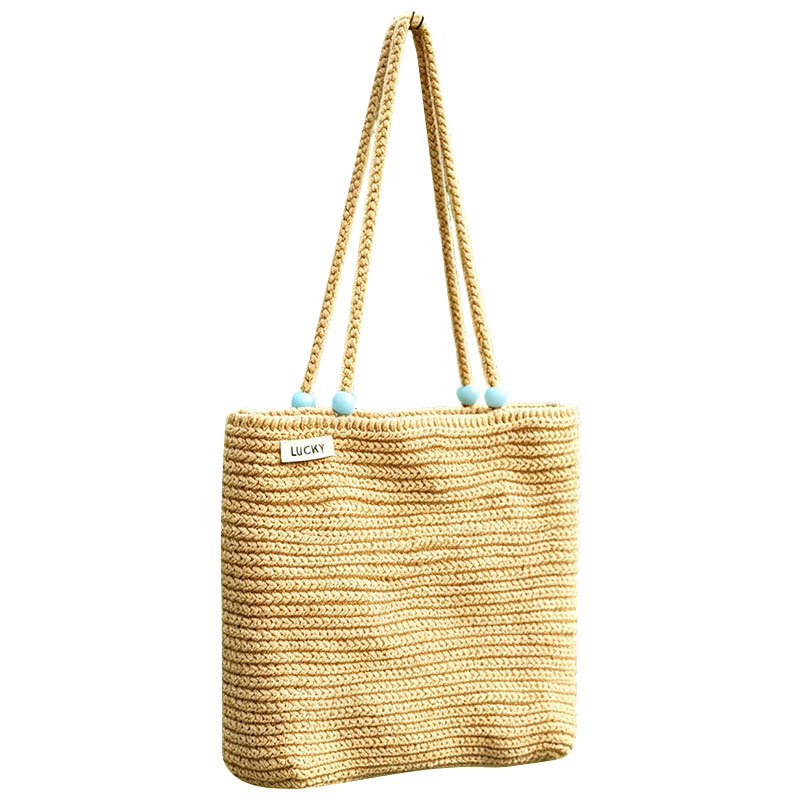
Detailed Description: Crafted with pure handwoven ...
-
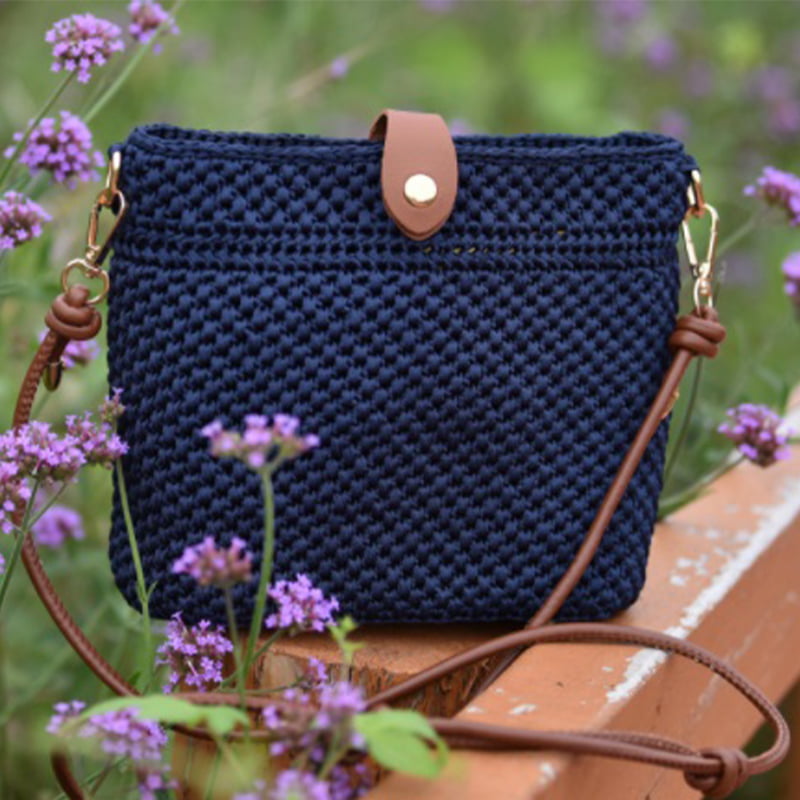
Detailed Description: The solid deep-navy woven bo...
-
Detailed Description: Different colors are combine...

Contact info.
+86 15967843486 [email protected]
+86 17398066504
[email protected]
 +86-0574-63301198
 +86-13706742730
 No. 939, Qiye Road, Zhouxiang Town, Cixi City, Ningbo City, Zhejiang Province, China
Hot Products
Stainless Steel Equipment & Folding BBQ Grill Series Air Conditioner Drain Pan And Outdoor Unit Bracket Ventilation FansGet A Free Quote
Copyright © 2025 by Cixi Chenfeng Electric Co., Ltd All Rights Reserved. Air Conditioner Parts Manufacturers Stainless Steel Sheet Metal Parts Factory
