Quick Answer
Stainless steel has become the dominant material in outdoor ovens because it uniquely combines high-temperature resistance (up to 1,200°F / 650°C), corrosion resistance across all weather conditions, and structural integrity over years of outdoor exposure — properties that cast iron, aluminum, and powder-coated carbon steel cannot match simultaneously. Industry survey data indicates that approximately 74% of newly installed outdoor kitchens now specify a stainless steel oven as their primary cooking unit, driven by demand from homeowners, hospitality operators, and food truck businesses alike.
Content
The shift toward outdoor stainless steel ovens isn't a trend driven by aesthetics alone — though the clean, professional look certainly appeals to backyard kitchen designers. It comes down to material science. When an oven lives outside year-round, exposed to rain, UV radiation, temperature cycling, grease, and smoke, material failure modes multiply fast. Stainless steel addresses each of them in a way no cheaper alternative consistently manages.
The chromium content in food-grade stainless steel (typically 16–18% in 304-grade) forms a self-repairing passive oxide layer that prevents rust even when scratched. A carbon steel oven with damaged coating begins rusting within weeks of outdoor exposure; a stainless unit under the same conditions shows no measurable surface corrosion after years of use.
Outdoor pizza cooking ovens regularly reach 750–900°F (400–480°C) for Neapolitan-style cooking. Stainless steel maintains structural integrity at these temperatures without warping, scaling, or off-gassing harmful compounds — a critical safety consideration when cooking food in close proximity to the oven walls.
Stainless steel's non-porous surface doesn't harbor bacteria, absorb grease, or require seasoning the way cast iron does. For commercial outdoor oven operators subject to health inspections, this is a non-negotiable operational advantage — surface-clean wipe-downs satisfy hygiene standards that porous materials cannot.
When these properties are combined with the material's fabrication versatility — it welds cleanly, forms precise angles, and accepts modular joint designs — stainless steel enables oven configurations that aren't structurally achievable in heavier alternatives like stone or brick, particularly for built-in outdoor oven and portable backyard cooking oven formats.
The outdoor cooking equipment market has grown substantially since 2019, accelerated by increased home improvement investment and the expansion of outdoor hospitality spaces at hotels, resorts, and event venues. Stainless steel has captured a disproportionate share of this growth — not just in residential backyard settings but across the full spectrum of outdoor food service.
Outdoor Stainless Steel Oven Market Share Growth (2019–2024)
Market share of stainless steel among newly specified outdoor oven installations. Source: outdoor kitchen industry survey data, 2024.
The steepest growth occurred between 2020 and 2022, when home improvement spending surged globally and outdoor kitchen installations became a mainstream renovation project rather than a luxury niche. Commercial outdoor oven adoption at hospitality venues followed a parallel trajectory, as operators recognized that weather resistant outdoor oven units dramatically reduced replacement cycles compared to ceramic and coated-steel alternatives.
Not all outdoor ovens serve the same purpose, and stainless steel's fabrication flexibility means the material adapts well across a wide range of formats. Understanding which configuration best matches your cooking style and installation context is the first step in avoiding an expensive mismatch.
| Oven Type | Fuel Options | Best Setting | Max Temp | Portability |
|---|---|---|---|---|
| Built-In Outdoor Oven | Gas / Electric | Permanent outdoor kitchens | 650°C | Fixed |
| Outdoor Pizza Cooking Oven | Wood / Gas / Charcoal | Patios, restaurants | 500°C | Semi-mobile |
| Commercial Outdoor Oven | Gas / Electric | Hotels, food trucks, resorts | 650°C | Varies |
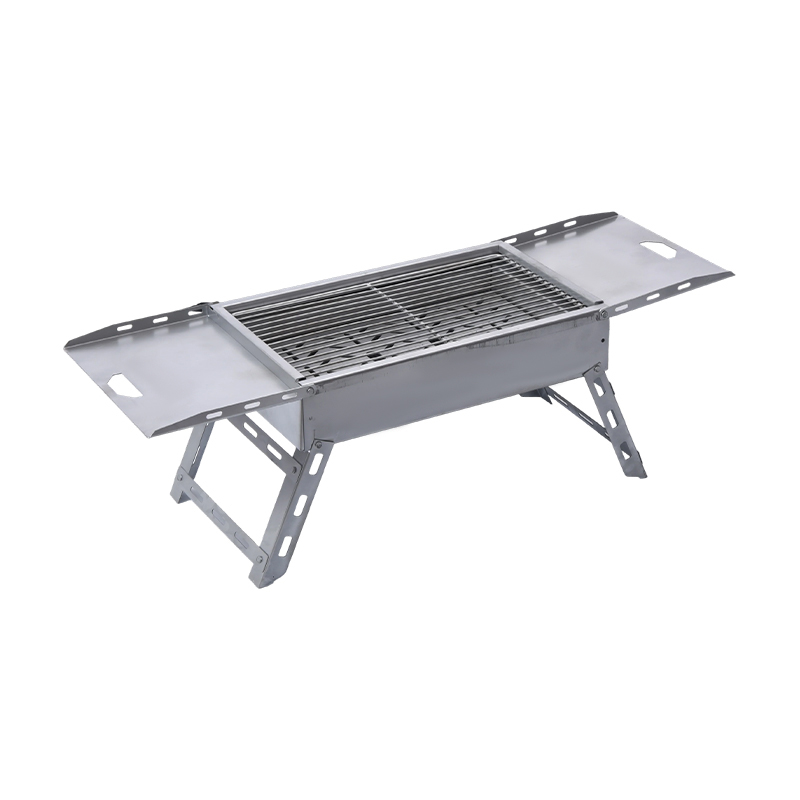
| Backyard Cooking Oven | Gas / Charcoal | Family gatherings, camping | 400°C | Portable |
| Smoking / Slow-Cook Oven | Charcoal / Wood | BBQ enthusiasts, catering | 250°C | Semi-portable |
For buyers deciding between a built-in outdoor oven and a freestanding backyard cooking oven, the key variable is installation permanence. Built-in units integrate with countertop structures and offer cleaner aesthetics and larger cooking chambers; portable stainless steel ovens trade chamber size for the ability to relocate or transport to catering events.
With stainless steel outdoor ovens now widely available across a range of specifications, evaluating quality requires looking beyond surface finish. These are the structural and functional features that meaningfully affect cooking performance and long-term durability:
A single-wall stainless shell loses heat rapidly and produces uneven cooking zones — a particular problem for outdoor pizza cooking ovens where crust and topping temperatures must be balanced. Quality outdoor ovens use multi-layer insulation between the inner cooking chamber and outer shell, which reduces fuel consumption by 20–35% compared to single-wall designs and maintains more consistent internal temperatures during cook cycles.
Not all stainless steel performs equally outdoors. Grade 304 (18/8 stainless) is the standard for weather resistant outdoor oven construction — its 18% chromium and 8% nickel composition provides robust corrosion resistance in most outdoor environments. For coastal installations or heavy industrial use, grade 316 with added molybdenum offers superior resistance to salt air and chloride exposure. Buyers should always confirm steel grade with manufacturers before purchase.
Outdoor ovens with modular, detachable components are significantly easier to service and transport than welded-single-piece units. When a burner or cooking grate needs replacement, modular construction allows component-level swap rather than full-unit disposal. For commercial outdoor oven operators managing multiple units, this directly reduces maintenance downtime and total cost of ownership over a 5–10 year operational horizon.
The most versatile outdoor stainless steel ovens support configurable fuel types — gas for precise temperature control, charcoal for flavor profile, and electric for regulated environments where open flame is restricted. Accessory compatibility matters too: smoke boxes, temperature gauges, rotisserie attachments, and custom grating sizes expand an oven's cooking range without requiring a new unit purchase.
Buyers evaluating outdoor ovens frequently compare stainless steel against cast iron, ceramic, and powder-coated carbon steel. Each material has genuine strengths, but stainless steel's combination of scores across the criteria that matter most outdoors explains its dominant adoption rate.
Outdoor Material Performance Score (Composite, 0–100)
Composite score across: corrosion resistance, heat stability, weight, cleanability, longevity, and fabrication flexibility. Not a single-source metric.
Cast iron scores well for heat retention and even thermal mass — properties that benefit slow-cooking and smoking applications — but its susceptibility to rust when outdoor coatings chip, and its significant weight penalty, make it less practical for most outdoor kitchen installations. Ceramic and refractory materials excel at thermal insulation in traditional wood-fired configurations but are brittle, expensive to repair, and not suitable for modular or portable formats.
The outdoor oven buyer profile has broadened significantly over the past five years. What was once primarily a luxury residential product now spans three distinct customer segments, each with different purchasing priorities:
Investing in built-in outdoor oven installations as part of permanent patio kitchen projects. Priorities: aesthetics, cooking versatility (grilling and baking in one unit), and durability without annual maintenance. Stainless steel fits all three without compromise.
Commercial outdoor oven buyers in hospitality focus on throughput, health code compliance, and multi-year lifespan without degradation. Stainless steel's non-porous surface and easy sanitization make it the preferred choice for operations subject to food safety inspections.
Mobile food service operators need lightweight, weather resistant outdoor oven units that can withstand road vibration, frequent setup and breakdown, and exposure to all weather conditions. Modular stainless steel designs built for transport durability have become the category standard.
Across all three segments, the common thread is a demand for equipment that performs consistently under outdoor conditions without requiring the kind of intensive maintenance that other materials — particularly cast iron and ceramic — demand in exposed environments.
Cixi Chenfeng Electric Co., Ltd. is a China outdoor stainless steel oven manufacturer and custom outdoor ovens factory, offering comprehensive wholesale ODM and OEM customization services to clients across residential, hospitality, and food service sectors. The company operates large-scale sheet metal processing and welding production lines capable of supporting both small-batch custom orders and large-scale standardized production runs.
Their outdoor oven portfolio is designed for versatility: units are configurable by size, fuel type (gas, charcoal, or electric), and accessory specification, including smoke boxes, precision temperature gauges, and custom grating configurations. The modular structure across the product range supports easy field maintenance and functional expansion without unit replacement.
High-grade stainless steel plates resistant to oxidation and corrosion, engineered for long-term exposure to sun, rain, and high-heat cooking cycles — suitable for both permanent outdoor kitchen installations and mobile catering applications.
Multi-layer insulation design ensures even heat distribution throughout the cooking chamber. Precise energy consumption control supports both high-temperature fast grilling and low-temperature slow smoking within the same unit configuration.
Flexible OEM and ODM configuration covering capacity sizes, fuel type, finish specification, and accessory compatibility. Suitable for family outdoor gatherings, hotel and resort outdoor kitchens, and mobile food truck restaurant chains requiring branded or specification-matched equipment.
With its own production infrastructure and a dedicated technical R&D team, Cixi Chenfeng Electric delivers consistent quality across both prototype and production volumes — making it a reliable manufacturing partner for buyers sourcing outdoor stainless steel ovens at commercial scale.
Q1: Can an outdoor stainless steel oven be left outside year-round?
Yes — grade 304 or 316 stainless steel outdoor ovens are engineered specifically for permanent outdoor exposure. They resist rust, UV degradation, and temperature cycling without protective covers in most climates. In coastal environments with high salt air exposure, grade 316 stainless is recommended for extended corrosion resistance. Periodic cleaning with a mild stainless steel cleaner is all that's required for maintenance.
Q2: What temperature does an outdoor pizza cooking oven need to reach?
Authentic Neapolitan-style pizza requires cooking surface temperatures of 430–480°C (800–900°F) for a 60–90 second cook time. New York-style pizza cooks well at 290–315°C (550–600°F) over 4–6 minutes. A quality outdoor stainless steel pizza oven should be capable of sustaining these temperatures continuously across a service period — not just peaking briefly. Confirm the manufacturer's sustained operating temperature rating, not just the maximum spec.
Q3: Is a built-in outdoor oven better than a freestanding model?
Built-in outdoor ovens integrate flush with outdoor kitchen countertops for a cleaner aesthetic and typically offer larger cooking chambers. Freestanding backyard cooking ovens are more flexible — they can be repositioned, taken to events, or moved to a new property. The right choice depends on whether your outdoor kitchen is a permanent fixture or a semi-mobile setup. Built-in formats are generally preferred by homeowners and hospitality venues; freestanding units suit food truck operators and camping enthusiasts.
Q4: What fuel type is best for an outdoor stainless steel oven?
Gas (propane or natural gas) offers the most precise temperature control and fastest heat-up time — typically reaching cooking temperature in 15–20 minutes. Charcoal and wood deliver superior flavor profiles valued in BBQ and artisan cooking contexts, but require longer preheat periods and more active temperature management. Electric outdoor ovens are best for settings where open flame is restricted. Many commercial outdoor oven operators choose gas as their primary fuel with an optional smoke box attachment for flavor enhancement.
Q5: How do I clean a stainless steel outdoor oven?
After each use, burn off food residue at high heat for 10–15 minutes, then wipe the interior with a damp cloth once cooled. For the exterior, use a dedicated stainless steel cleaner applied in the direction of the grain — never use abrasive pads or chlorine-based cleaners, which can damage the passive oxide layer and cause surface staining. A light application of stainless steel polish every few months keeps the exterior looking new and adds an additional protective layer.
Q6: Can outdoor stainless steel ovens be customized for commercial use?
Yes. OEM and ODM manufacturers offer commercial outdoor oven customization across chamber size, fuel configuration, exterior finish, accessory mounting points, and branded panel options. For hospitality and food service operators, custom dimensions are often necessary to match existing kitchen counter heights or meet local health code clearance requirements. Working with a manufacturer that operates its own sheet metal and welding production lines — rather than assembling from third-party components — provides greater dimensional accuracy and faster production turnaround for custom specifications.
Contact info.
+86-0574-63301198
+86-13706742730
[email protected]
No. 939, Qiye Road, Zhouxiang Town, Cixi City, Ningbo City, Zhejiang Province, China
Get A Free Quote
Copyright © 2025 by Cixi Chenfeng Electric Co., Ltd All Rights Reserved. Air Conditioner Parts Manufacturers Stainless Steel Sheet Metal Parts Factory