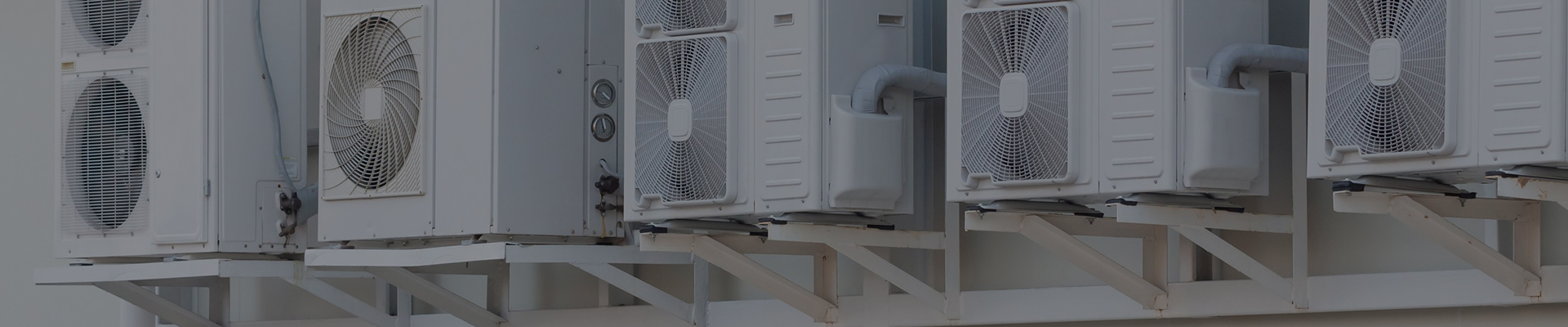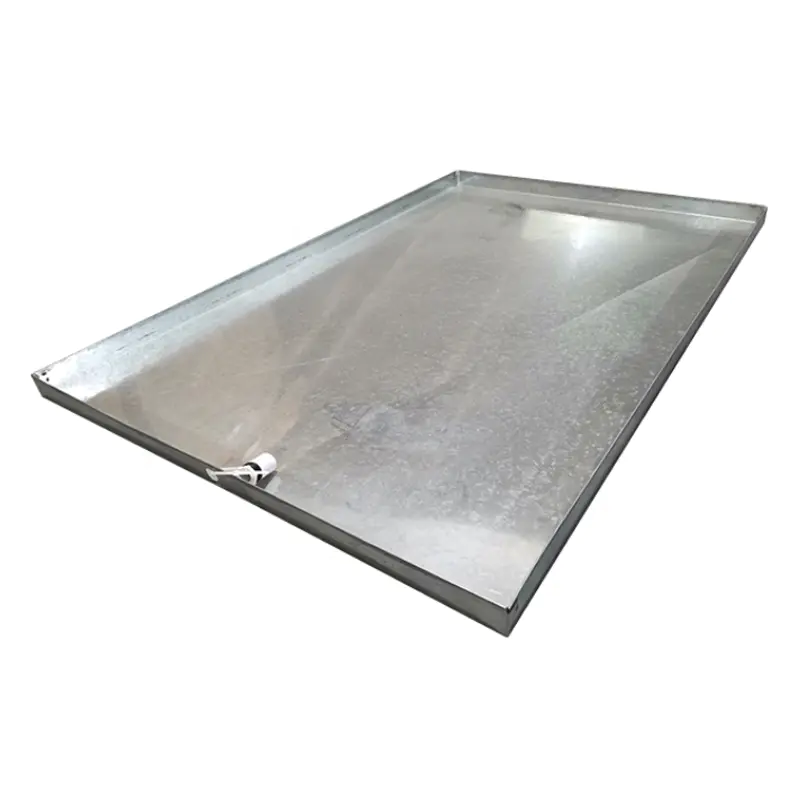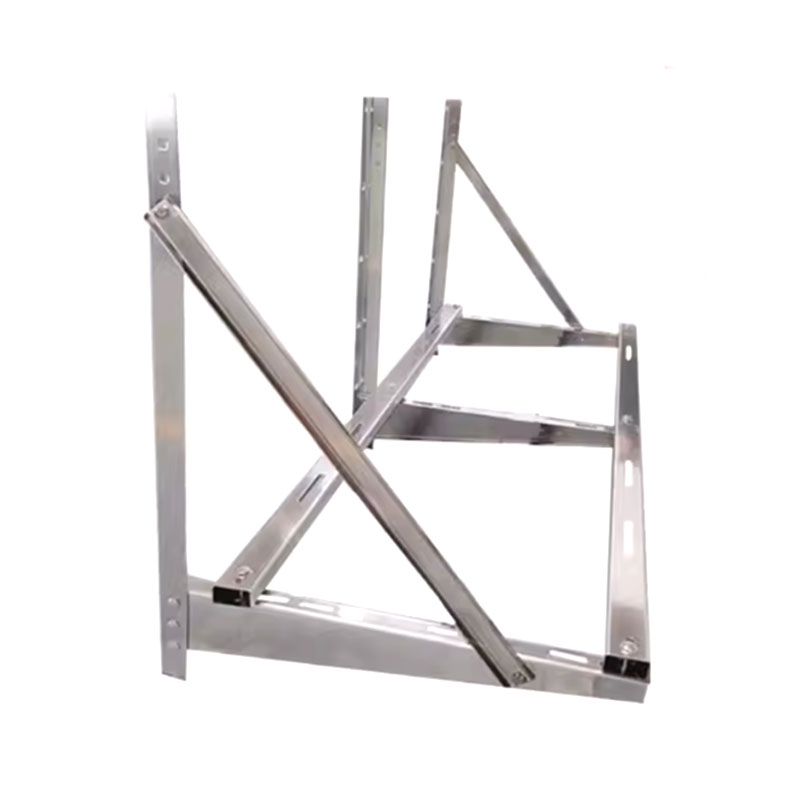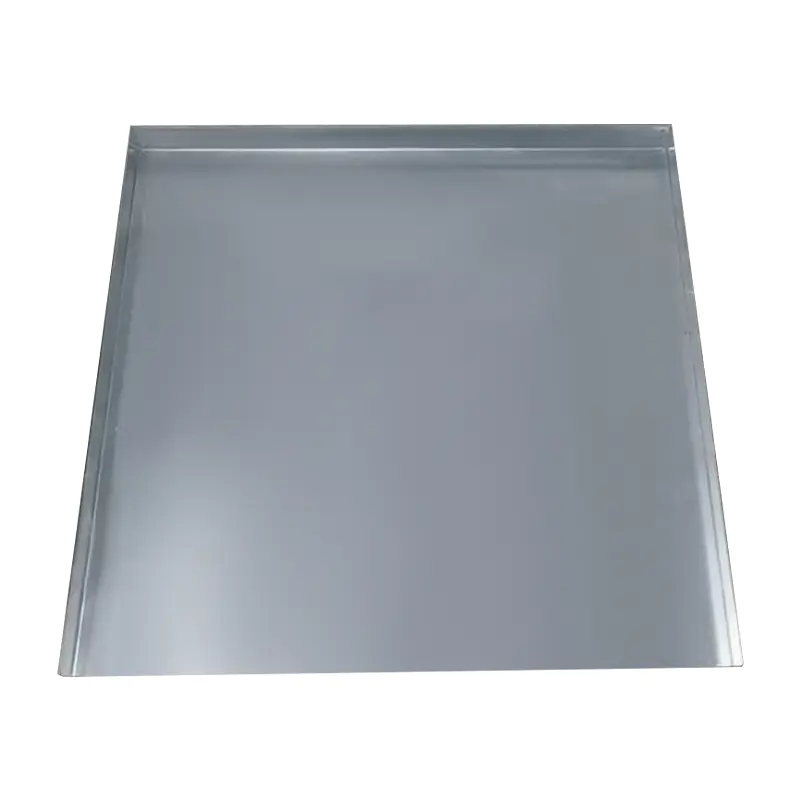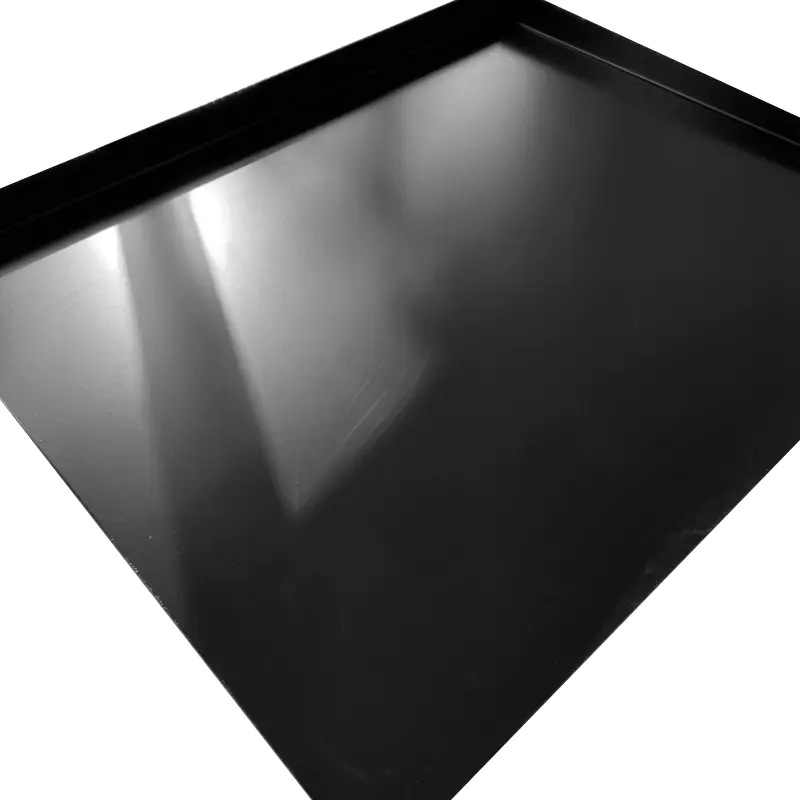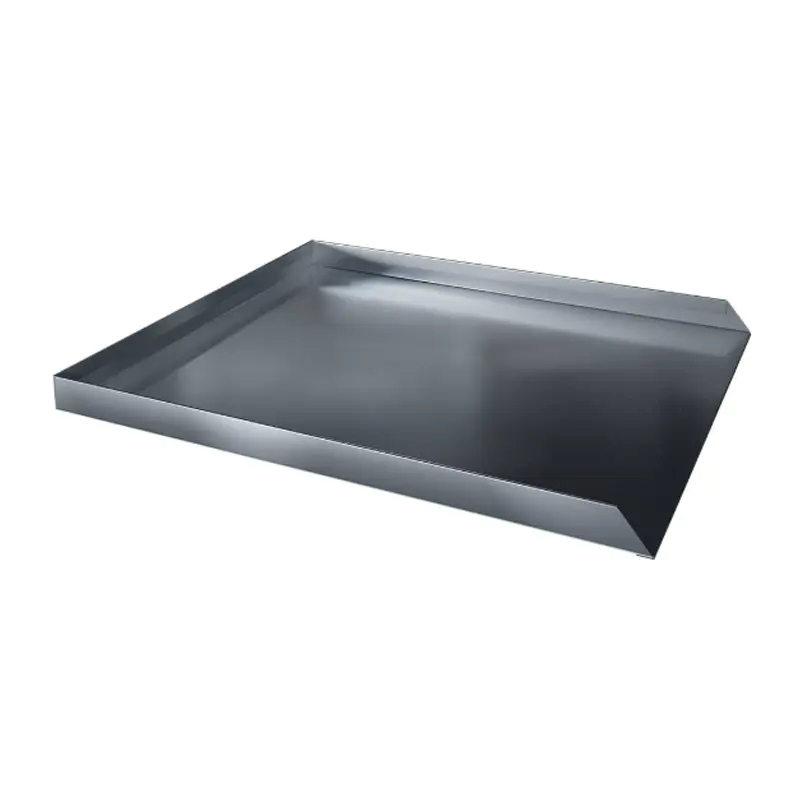
Choosing the right HVAC drain pan is one of the most overlooked yet critical decisions in any air conditioning installation or maintenance project. A failed or undersized drain pan can lead to water damage, mold growth, and costly system downtime. After evaluating dozens of options across residential and commercial applications, the clear winners in 2026 are rust-proof, high-capacity condensate collection pans that combine durable materials with reliable overflow protection. This guide breaks down the top 10 picks, what to look for, and how to match the right pan to your system.
Content
Every central air conditioning system produces condensate — moisture pulled from the air during the cooling process. A standard residential unit generates between 5 and 20 gallons of condensate per day, depending on humidity levels and system capacity. All of that water must be collected and directed safely away from the unit, the air handler, and the surrounding structure.
The air conditioner drain pan serves as the first line of defense. When the primary drain becomes clogged or the pan itself corrodes or cracks, water overflows directly onto ceilings, walls, insulation, and flooring. Restoration costs from such water damage often reach $2,000 to $10,000 or more per incident — far exceeding what a quality drain pan replacement would cost.
Beyond structural protection, a properly functioning HVAC condensate collection pan also prevents algae and bacteria buildup in stagnant water, reducing indoor air quality risks and extending the service life of the unit itself.
Before selecting an air handler drain pan or secondary condensate drain pan, evaluate these core attributes:
| Feature | Residential Use | Light Commercial | Heavy Commercial |
|---|---|---|---|
| Recommended Material | HDPE Plastic | Galvanized Steel | Stainless Steel |
| Typical Capacity (gallons) | 1 - 3 | 3 - 8 | 8 - 20+ |
| Overflow Drain Port | Standard | Required | Required + Sensor |
| Rust-Proof Treatment | Optional | Recommended | Mandatory |
| Expected Service Life | 5 - 10 years | 8 - 15 years | 15 - 25 years |
The following selections represent the strongest performers across categories including residential air handler pans, secondary condensate drain pans, overflow drain pans for HVAC, and rust-proof AC drain pans for commercial systems.
Molded from UV-stabilized high-density polyethylene, this pan resists cracking, warping, and chemical degradation even in attic installations where temperatures can exceed 140°F. It features dual 3/4" drain ports on opposing sides, accommodating left-side or right-side plumbing without modification. The raised lip design adds an extra 1.5 inches of containment depth over standard pans.
A 22-gauge galvanized steel body with an interior food-grade epoxy lining makes this pan ideal for humid coastal climates or environments with salt-laden air. The welded seams eliminate leak points, and the integrated 1" NPT drain port accepts standard condensate drain fittings directly.
Designed to accommodate air handlers ranging from 1.5 to 5 tons without requiring custom fabrication, this pan ships with four adjustable corner supports and a floating bracket system. It is among the most installer-friendly options on the market, reducing average installation time by approximately 35% compared to fixed-size pans.
Built from 304-grade stainless steel with a brushed finish, this pan handles the demands of rooftop units, large commercial air handlers, and data center cooling equipment. It includes threaded ports for overflow float switches and sensor connections compatible with most building automation systems.
At just 2.5 inches in total height, this pan slides under units in confined mechanical closets where vertical clearance is limited. Despite its slim profile, its polymer construction provides a usable containment volume of approximately 2.8 gallons, sufficient for most 2- to 3-ton residential applications.
The double-wall construction on this pan prevents external condensation from forming on the outer surface — a common problem in unconditioned spaces where the pan itself becomes cold enough to sweat. The foam-injected insulation layer also dampens vibration and noise transmission from the air handler.
Stagnant water in a flat-bottom pan is the leading cause of algae growth and drain clogs. This pan incorporates a factory-molded 1/8" per foot slope directing all condensate toward the primary drain port, virtually eliminating standing water between maintenance cycles.
When overflow protection is the primary concern, this pan delivers. It holds up to 5.5 gallons before triggering overflow and includes a pre-drilled 1/2" NPT port positioned at 90% of the pan's maximum fill height, allowing a float switch to shut down the system before any spillage occurs.
Infused with a silver-ion antimicrobial compound during the molding process, this pan actively inhibits the growth of algae, mold, and bacteria without requiring chemical treatments. Independent lab testing shows a 99.6% reduction in common HVAC condensate microorganisms over a 30-day period.
Designed for large commercial installations with multiple air handlers in line, this modular system connects individual pan sections using watertight interlocking joints. Each section measures 24" x 48" and up to eight sections can be joined to cover equipment footprints exceeding 16 feet in length, with a single central drain outlet.
Material selection is the single biggest variable in drain pan longevity. The chart below illustrates expected service life under continuous condensate exposure for the three most common materials used in air conditioner drain pans today.
Many technicians and homeowners use the terms interchangeably, but primary and secondary condensate drain pans serve distinct purposes within an HVAC system.
The primary drain pan is integrated into the air handler cabinet itself. It collects condensate directly from the evaporator coil and routes it to the primary condensate drain line. This pan is typically shallow (1 to 2 inches deep) and is sized precisely for the unit.
The secondary condensate drain pan — sometimes called the overflow drain pan for HVAC — is installed beneath the entire air handler as a backup. It only collects water if the primary pan overflows or the primary drain line becomes blocked. Building codes in many regions, including most U.S. states, require a secondary drain pan for any air handler installed above a finished living space.
The secondary pan is typically larger, often made from HDPE or galvanized steel, and should include a float switch connection to trigger an automatic shutoff before overflow reaches the pan's rim.
Even the best-specified drain pan will underperform if installed incorrectly. Follow these field-tested steps:
A routine maintenance schedule dramatically extends the service life of any air conditioner drain pan and prevents the clogs and overflows that lead to water damage claims. The recommended intervals below apply to standard residential and light commercial systems:
The overflow drain pan for HVAC is the last barrier between a malfunctioning primary drain and structural water damage. Selecting the right one depends on three primary factors: the location of the air handler, the local building code requirements, and the available space for the pan itself.
For attic installations, HDPE plastic pans are preferred because they resist the extreme thermal cycling that causes metal pans to expand, contract, and eventually crack or delaminate at seams. For mechanical room and basement installations where the unit is accessible and temperatures are more stable, galvanized or stainless steel options offer superior load-bearing capacity for heavier commercial air handlers.
Always confirm that your chosen overflow drain pan includes or is compatible with a 3/4" or 1" NPT secondary drain port routed to a visible discharge location — typically a nearby wall, exterior overhang, or drain tile — so overflow can be immediately detected by building occupants before damage escalates.
The condenser and drain pan are critical components in HVAC systems, responsible for heat exchange and condensate drainage. The condenser facilitates the refrigeration cycle through heat exchange between the refrigerant and the outside air, while the drain pan collects and directs the condensate produced by the system, preventing water accumulation and corrosion.
Condenser Components
Cixi Chenfeng Electric Co., Ltd. is a professional enterprise in the electrical field, focusing on the development and production of central air conditioning accessories. As a leading China HVAC drain pan manufacturer and air conditioner drain pans factory, Cixi Chenfeng Electric provides wholesale ODM/OEM customization services to clients worldwide.
With excellent technical strength, reliable product quality, and a strong market reputation, the company occupies an important position in the central air conditioning accessories industry — delivering engineered solutions for both standard and specialized condensate management applications.
Contact info.
+86-0574-63301198
+86-13706742730
[email protected]
No. 939, Qiye Road, Zhouxiang Town, Cixi City, Ningbo City, Zhejiang Province, China
Get A Free Quote
Copyright © 2025 by Cixi Chenfeng Electric Co., Ltd All Rights Reserved. Air Conditioner Parts Manufacturers Stainless Steel Sheet Metal Parts Factory