

 English
  中文简体
中文简体  русский
  Français
  عربى
عربى  Español
Industry News
What Is an Outdoor Stainless Steel Oven Used For?
An Outdoor Stainless Steel Oven is a purpose-built cooking appliance constructed from corrosion-resistant, high-temperature-rated stainless steel, designed to withstand outdoor environments while delivering consistent, high-performance cooking results. These ovens are used for baking, roasting, grilling, smoking, and firing pizza — in settings ranging from private backyards and patios to campgrounds, catering operations, and commercial restaurant terraces. Unlike portable grills or basic fire pits, a dedicated outdoor oven provides enclosed, oven-like heat circulation that enables bread baking, slow roasting, and authentic wood-fired cooking that open-flame equipment cannot replicate.
The market for Outdoor Ovens has expanded significantly as homeowners invest in outdoor kitchens, and as commercial hospitality venues recognize the value of al fresco cooking. Stainless steel construction is the material of choice in this category because it combines food-safe surfaces, resistance to rust and weathering, and the ability to sustain cooking temperatures that frequently exceed 400°C (750°F) — essential for achieving the charred crust and rapid cook times associated with Neapolitan-style pizza. This guide covers everything you need to know: applications, oven types, heat science, material specifications, and selection criteria for both residential and commercial buyers.
Top Applications of Outdoor Stainless Steel Ovens (% of User Base)
Pizza baking dominates outdoor oven usage at 91%, driven by the global popularity of wood-fired and high-temperature cooking styles that only an enclosed outdoor oven can authentically replicate. Roasting and general baking follow at 72%, as outdoor kitchens increasingly take over full meal preparation roles from indoor appliances. The breadth of applications — from camping events to commercial food service — confirms that outdoor stainless steel ovens are versatile, multi-function platforms rather than single-purpose cooking tools.
Content
- 1 Why Stainless Steel Is the Preferred Material for Outdoor Ovens
- 2 Outdoor Pizza Oven Stainless Steel: Performance at High Temperatures
- 3 Wood Fired Outdoor Oven vs. Gas-Powered: A Practical Comparison
- 4 Portable Outdoor Cooking Oven: Features That Define Mobility
- 5 Commercial Outdoor Pizza Oven: Requirements for High-Volume Food Service
- 6 Outdoor Oven Market Growth and Adoption Trends
- 7 About Cixi Chenfeng Electric Co., Ltd.
- 8 Frequently Asked Questions
Why Stainless Steel Is the Preferred Material for Outdoor Ovens
The choice of stainless steel for outdoor oven construction is driven by a convergence of material properties that no alternative can fully replicate. Outdoor cooking environments expose oven bodies to rain, humidity, temperature cycling, grease, and direct flame — a combination that rapidly degrades painted carbon steel, cast iron (through rust and cracking), or aluminum (through warping at high temperatures). Stainless steel, specifically grades 304 and 316, addresses all of these failure modes simultaneously.
Grade 304 stainless steel contains 18% chromium and 8% nickel, forming a passive oxide layer on its surface that self-repairs when scratched — providing intrinsic corrosion resistance without coatings or treatments. Grade 316, which adds molybdenum, provides enhanced resistance to chloride environments, making it the preferred specification for coastal installations or commercial kitchens where salt and cleaning chemicals are present. Both grades maintain their structural integrity at sustained temperatures well above 600°C, allowing the oven dome and body to cycle through repeated high-heat cooking sessions without warping or embrittlement.
Stainless Steel Grades Used in Outdoor Ovens
| Grade | Composition | Max Service Temp. | Best Application |
|---|---|---|---|
| 304 SS | 18% Cr, 8% Ni | 870°C (intermittent) | Residential patio, backyard pizza oven |
| 316 SS | 16% Cr, 10% Ni, 2% Mo | 925°C (intermittent) | Coastal, commercial outdoor kitchen |
| 430 SS | 16–18% Cr (ferritic) | 815°C (continuous) | Budget outdoor ovens, inner liners |
Outdoor Pizza Oven Stainless Steel: Performance at High Temperatures
The science of pizza cooking is fundamentally about temperature: authentic Neapolitan pizza is cooked at 430–480°C (800–900°F) for 60–90 seconds, producing a charred, blistered crust — the hallmark of a wood-fired oven — while leaving the center soft and the toppings barely cooked. Achieving and sustaining these temperatures is where an Outdoor Pizza Oven Stainless Steel construction becomes non-negotiable. Standard outdoor grills top out at 300–350°C, simply insufficient for authentic pizza results.
A stainless steel pizza oven achieves these temperatures through a combination of factors: the enclosed dome shape concentrates radiant heat from above, the refractory stone or cordierite floor stores and releases conductive heat from below, and the compact oven chamber minimizes heat loss per unit of fuel. Most Backyard Stainless Steel Pizza Ovens reach peak cooking temperature within 15–25 minutes of ignition when using properly seasoned hardwood, compared to 45–90 minutes for traditional brick ovens — a significant practical advantage for home users who want spontaneous outdoor cooking without lengthy preparation.
Oven Temperature Rise Over Time: Stainless Steel vs. Brick Outdoor Oven (°C)
The line chart shows that a stainless steel outdoor pizza oven reaches pizza-ready temperatures (above 400°C) in approximately 15–20 minutes, while a traditional brick oven requires 60 minutes or more to reach the same threshold. This preheat advantage translates directly into fuel savings, spontaneity of use, and faster service turnaround for commercial operators. The stainless steel oven also stabilizes at peak temperature more quickly due to its lower thermal mass, requiring less active fire management once cooking temperature is achieved.
Wood Fired Outdoor Oven vs. Gas-Powered: A Practical Comparison
The fuel type in an outdoor oven significantly affects the cooking experience, flavor output, operational convenience, and regulatory compliance — particularly for commercial operators. Wood Fired Outdoor Ovens produce smoke aromatics that infuse food with a characteristic flavor profile impossible to replicate with gas or electric heat. However, gas-powered stainless steel ovens offer precise thermostat control, instant ignition, and zero ash management — attributes that matter enormously in high-volume commercial settings where consistency is paramount.
- Wood-Fired: Achieves the highest peak temperatures (up to 500°C+), imparts natural smoke flavor, requires proper hardwood selection (oak, beech, fruitwoods), and demands active fire management during cooking. Preferred for artisan pizzerias and authentic cooking experiences.
- Gas-Powered: Offers instant ignition, precise temperature control via thermostat or valve, no ash cleanup, and consistent heat output. Preferred in commercial settings where speed, repeatability, and clean operation are priorities.
- Multi-Fuel / Hybrid: Some stainless steel outdoor ovens support both wood and gas, allowing users to start with gas for rapid preheat and finish with wood for flavor enhancement — combining the best attributes of both fuel types.
- Pellet-Fed: Wood pellet outdoor ovens automate fuel delivery through an auger system, providing the smoke flavor of wood with the temperature consistency of gas. Popular in the prosumer market where convenience and authenticity are equally weighted.
Outdoor Oven Fuel Type Performance Radar (Wood vs. Gas vs. Pellet)
The radar chart compares wood-fired, gas, and pellet outdoor ovens across six performance dimensions. Wood-fired ovens lead in Peak Temperature and Flavor output — the two dimensions most valued by pizza purists and artisan cooking enthusiasts. Gas ovens dominate Convenience, Consistency, and Clean Operation, reflecting their design for commercial environments where repeatability and minimal downtime matter most. Pellet ovens occupy a well-balanced middle position across all axes, making them an appealing choice for users who want authentic smoke flavor without the hands-on fire management that wood-fired cooking demands.
Portable Outdoor Cooking Oven: Features That Define Mobility
The Portable Outdoor Cooking Oven segment addresses users who need high-performance cooking without a permanent installation — campers, overlanders, catering operators, food truck businesses, and homeowners who want to use their oven in multiple locations. Portability in a stainless steel outdoor oven involves several engineering trade-offs that buyers should evaluate carefully before committing to a product.
True portability requires compact folding legs or detachable stands, lightweight construction (typically under 20 kg for a one-person carry), a carry handle or carrying case rated for the oven's operating temperatures, and a cooking chamber large enough for meaningful meal production. The stainless steel body is critical here: it cools faster than ceramic or brick construction after the fire is extinguished, making the oven safe to handle and pack within a practical timeframe after cooking — typically 30–45 minutes after the last fire management.
Key Specifications for a Portable Outdoor Stainless Steel Oven
| Specification | Entry-Level Portable | Mid-Range Portable | Pro-Grade Portable |
|---|---|---|---|
| Weight | 8–12 kg | 13–20 kg | 20–35 kg |
| Max Temp | 350–400°C | 400–450°C | 450–500°C+ |
| Pizza Size | Up to 10 inch | Up to 12 inch | 12–16 inch |
| Preheat Time | 10–15 min | 15–20 min | 20–30 min |
| Fuel Type | Gas / Pellet | Gas / Wood / Pellet | Multi-fuel |
Commercial Outdoor Pizza Oven: Requirements for High-Volume Food Service
A Commercial Outdoor Pizza Oven operates under fundamentally different conditions than a residential unit: it must sustain peak temperatures across consecutive cooking cycles, handle throughput measured in dozens of pizzas per hour, and comply with food service health and safety regulations in its jurisdiction. Stainless steel construction is not optional in this context — it is typically mandated by commercial kitchen standards (NSF International, CE marking in Europe, or equivalent) because of its food-safe, non-porous surface and cleanability.
A well-specified commercial outdoor stainless steel oven for pizza service should maintain a floor temperature of 380–420°C continuously through back-to-back pizza cooking, have a loading aperture wide enough for a 16-inch pizza peel, and feature a flue or ventilation system that keeps visible smoke within regulatory limits for outdoor dining environments. High-capacity commercial units typically include dual-deck configurations that can fire 4–8 pizzas simultaneously, dramatically increasing throughput per square meter of kitchen footprint compared to single-deck residential units.
Pizza Output Capacity by Oven Type (Pizzas per Hour, 12-inch)
The chart demonstrates the dramatic throughput difference between oven categories: an entry-level portable outdoor oven produces around 6 pizzas per hour, while a commercial dual-deck stainless steel unit can achieve 36 or more. This capacity gap is the primary driver for restaurant and catering operators to invest in commercial-grade equipment, even when residential units would satisfy temperature and cooking quality requirements. For a venue serving 100+ covers per evening, a commercial outdoor pizza oven with a stainless steel interior is often the only viable option for maintaining service pace without sacrificing authenticity.
Outdoor Oven Market Growth and Adoption Trends
The global outdoor cooking equipment market — which includes outdoor ovens, grills, smokers, and pizza ovens — was valued at approximately USD 6.8 billion in 2023 and is projected to grow at a compound annual growth rate (CAGR) of around 5.4% through 2030. The outdoor pizza oven sub-segment, in particular, has shown above-average growth driven by the continued expansion of outdoor kitchen installations, the influence of social media cooking culture, and post-pandemic investment in home entertainment spaces.
Global Outdoor Cooking Equipment Market Size (USD Billion, 2019–2030F)
The outdoor cooking equipment market shows a consistent upward trajectory from USD 4.8 billion in 2019 to a projected USD 10.2 billion by 2030 — more than doubling over the decade. The acceleration visible from 2020 onward reflects the lasting behavioral shift toward home-based outdoor entertainment that emerged during and after the global pandemic period. Outdoor stainless steel ovens — particularly pizza-focused units — are among the fastest-growing product categories within this market, driven by a younger demographic willing to invest in premium outdoor cooking experiences.
About Cixi Chenfeng Electric Co., Ltd.
Cixi Chenfeng Electric Co., Ltd. is a China outdoor stainless steel oven manufacturer and custom outdoor ovens factory, providing wholesale ODM/OEM customization services. Outdoor stainless steel ovens from Cixi Chenfeng are designed for outdoor cooking, utilizing corrosion-resistant and high-temperature-resistant stainless steel for both durability and functionality. They are suitable for patios, camping, or commercial settings, meeting diverse grilling and baking needs across residential and professional markets.
With excellent technical strength, reliable product quality, and good market reputation, the company is well-positioned to support buyers seeking customizable outdoor oven solutions — from portable outdoor cooking ovens for recreational use to large-format commercial outdoor pizza ovens for food service applications. Custom specifications including oven dimensions, fuel type configurations, surface finish, and branding are available through OEM/ODM programs.
Frequently Asked Questions
Q1: What temperature does an outdoor stainless steel pizza oven reach?
A well-designed outdoor stainless steel pizza oven can reach cooking temperatures of 430–500°C (800–930°F) at the dome when using hardwood fuel. The floor temperature, which directly affects pizza crust cooking, typically stabilizes at 380–430°C during active cooking. Gas-powered versions typically peak slightly lower — around 350–420°C — but maintain more consistent temperature throughout a service session.
Q2: Can an outdoor stainless steel oven be left outside year-round?
Grade 304 and 316 stainless steel are designed for outdoor exposure and resist rust in most climates. However, prolonged exposure to coastal saltwater spray, standing water in the cooking chamber, or acidic tree sap can accelerate surface staining or pitting over time. Using a fitted weather cover when the oven is not in use and periodically wiping down the exterior with a stainless steel cleaner will significantly extend its appearance and service life.
Q3: What is the best wood to use in a wood-fired outdoor oven?
Hardwoods with low moisture content (below 20% MC) produce the cleanest, hottest fires. Oak, beech, ash, and fruitwoods (apple, cherry) are widely recommended for their high heat output and pleasant aromatic smoke. Avoid softwoods like pine or cedar, which produce high levels of resin smoke that can coat the oven interior and impart bitter flavors to food. Kiln-dried hardwood splits of 20–30 cm length are the practical standard for most portable and backyard outdoor ovens.
Q4: How do I clean the interior of a stainless steel outdoor oven?
The most effective cleaning method for an outdoor stainless steel oven interior is heat self-cleaning: running the oven at maximum temperature for 15–20 minutes after cooking burns off most food residue and grease into ash. Once cooled, sweep out the ash with a natural-bristle brush. For the cooking stone or floor, scrape with a metal brush when hot, then wipe with a dry cloth when cool — avoid water on hot refractory surfaces as rapid temperature change can cause cracking.
Q5: What size outdoor stainless steel oven do I need for a family of four?
For a family of four with occasional entertaining, a backyard stainless steel pizza oven with a 12-inch cooking diameter is generally sufficient for pizza, while a unit with a 16-inch interior floor accommodates larger pizzas and allows simultaneous roasting alongside a main dish. If you plan to bake bread loaves or roast large cuts of meat regularly, prioritize a unit with a minimum interior height of 20 cm to accommodate taller items and ensure even heat circulation around them.
Q6: Are outdoor stainless steel ovens available for OEM or custom branding?
Yes. Many manufacturers, including those offering ODM/OEM programs, can customize outdoor stainless steel ovens with specific dimensions, fuel configurations, surface finishes, color treatments, and private label branding. Minimum order quantities for custom production vary by factory, but most programs accommodate both small-batch specialty orders and large-volume wholesale distribution requirements. Buyers should request compliance documentation (CE, NSF, or equivalent) for their target market as part of the OEM agreement.
-
Our Stainless Steel Air Conditioner Outdoor Unit B...
-
Custom Square Aluminum & Stainless Steel Drain...
-
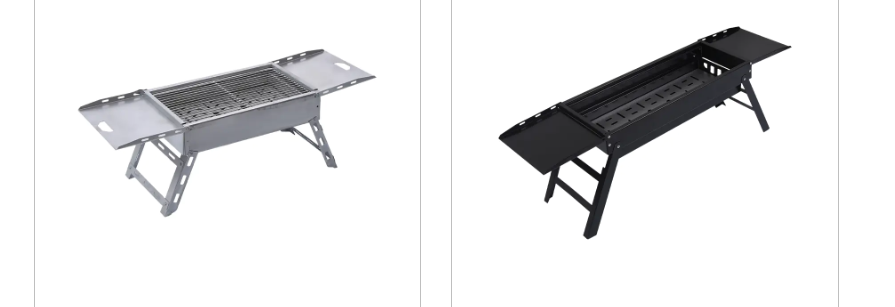
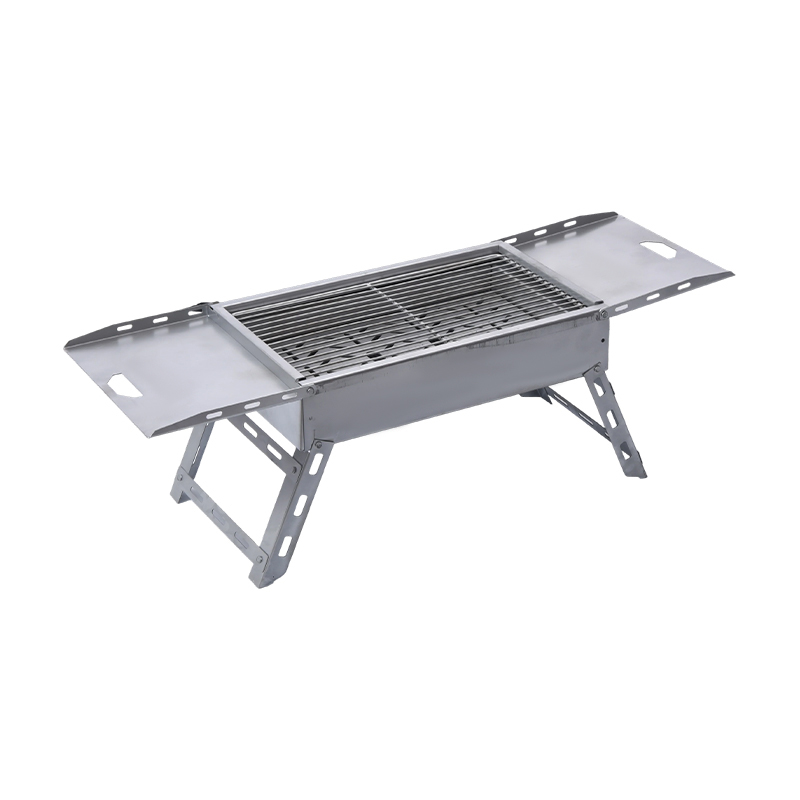
This Outdoor stainless steel folding oven is a ver...
-
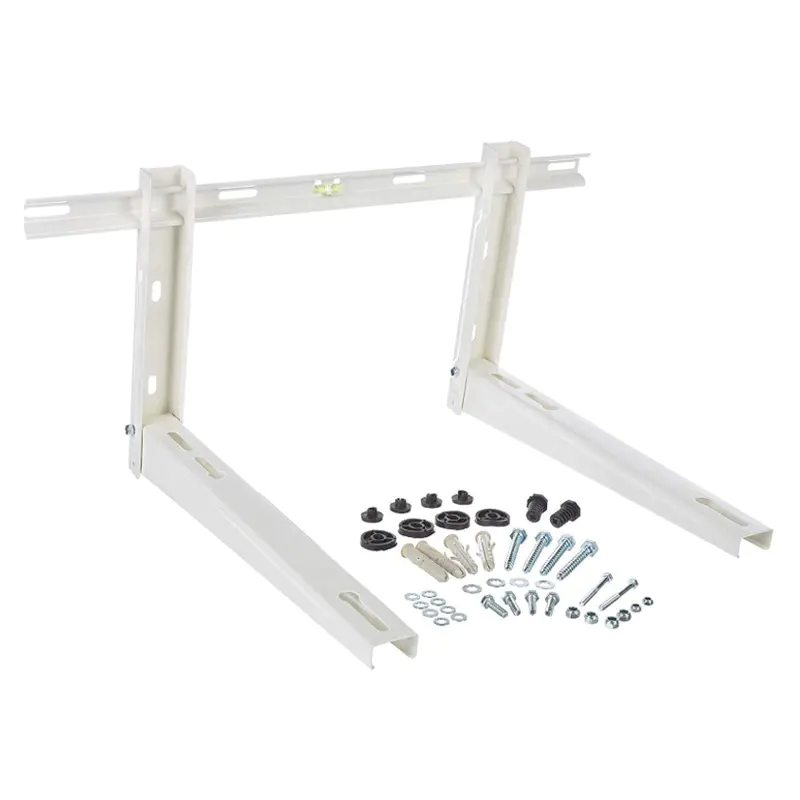
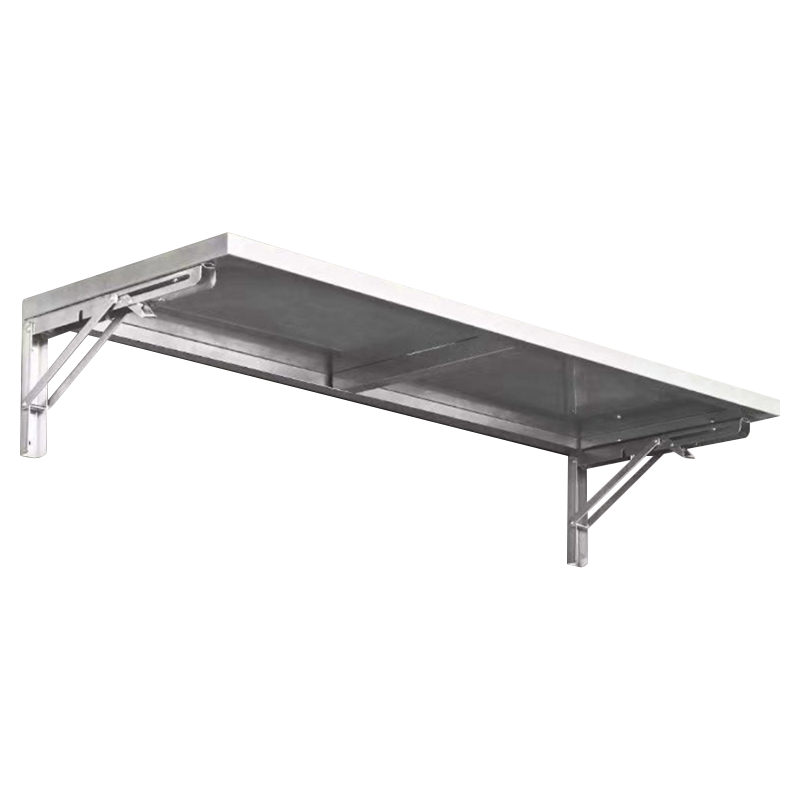
The Stainless Steel Wall-Mounted Bracket is a dura...
-
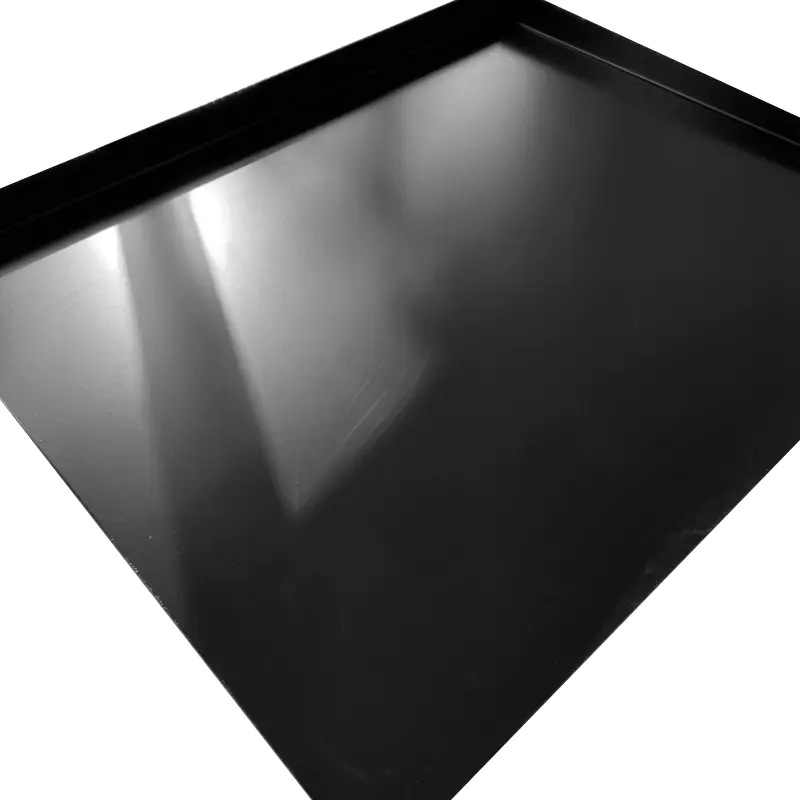
Galvanized Steel AC Drain Pans are specially desig...
-
304 Stainless Steel Perforated Drying Trays are sp...

Contact info.
+86 15967843486 [email protected]
+86 15967843486
[email protected]
[email protected]
+86 15967843486
[email protected]
 +86-0574-63301198
 +86-13706742730
 No. 939, Qiye Road, Zhouxiang Town, Cixi City, Ningbo City, Zhejiang Province, China
Get A Free Quote
Copyright © 2025 by Cixi Chenfeng Electric Co., Ltd All Rights Reserved. Air Conditioner Parts Manufacturers Stainless Steel Sheet Metal Parts Factory
