

 English
  中文简体
中文简体  русский
  Français
  عربى
عربى  Español
Industry News
Pan Treatment for Condensate Pans: A Practical HVAC Guide for Buyers and Technicians
Condensate pan treatment is not a single bottle of cleaner or an occasional spray. It is the combination of keeping a drain line clear, controlling biological growth, and choosing a pan that does not hold water long enough to become a problem. If your search for "pan treat condensate pan treatment" came from a leaking air conditioner, the quick answer is this: use a sloped, corrosion-resistant pan, clean the drain line regularly, and treat the water chemistry when the system runs in warm, humid conditions. The rest of this guide explains why.
Content
What "Pan Treat" Means in HVAC Maintenance
In HVAC language, "pan treat" is short for treating the condensate pan. The treatment has two sides. The first is biological: algae, mold, and slime grow in the film of water that sits on the pan. The second is structural: a pan that corrodes, cracks, or loses its slope cannot be saved by chemicals.
Biological Growth and Clogged Drains
Condensate water is not pure. It carries dust, airborne spores, and fine dirt from the evaporator coil. In a warm, dark pan, that mixture turns into biofilm in a matter of days. The biofilm builds up at the drain opening and inside the drain line. When the line slows down, water rises. The result is an overflow that stains ceilings, rusts sheet metal, and sometimes damages the indoor unit.
Corrosion and Structural Leaks
Unprotected steel pans rust from the inside out. The first signs are often small brown spots near the stamped drain opening or along a pressed seam. Once the coating is broken, corrosion does not stop. A pan with a pinhole leak will drip water even if the drain line is perfectly clear. This is why the material choice is part of treatment, not just manufacturing.
Pan treatment products, such as slow-dissolve tablets, liquid cleaners, or enzyme sprays, control bacteria and sludge. They do not repair a flat pan, a rusted seam, or an undersized drain outlet. For a long service life, chemical maintenance and hardware design have to work together.
Why the Pan Itself Is the First Treatment
The most important step in condensate pan treatment happens before any chemical is poured: check the physical design. A pan with proper slope and a drain at the lowest point empties itself every cycle. A flat-bottom pan leaves a thin film of water that becomes the next home for bacteria.
Look for a Slope, Not a Flat Bottom
Common sheet-metal practice calls for a slope of at least 1/8 inch per foot toward the drain outlet. The outlet should be at the lowest point, with no internal lip, stamped pocket, or deep seam that can trap water. In a custom application, these details matter more than the exact thickness of the metal.
Choose a Material You Can Maintain
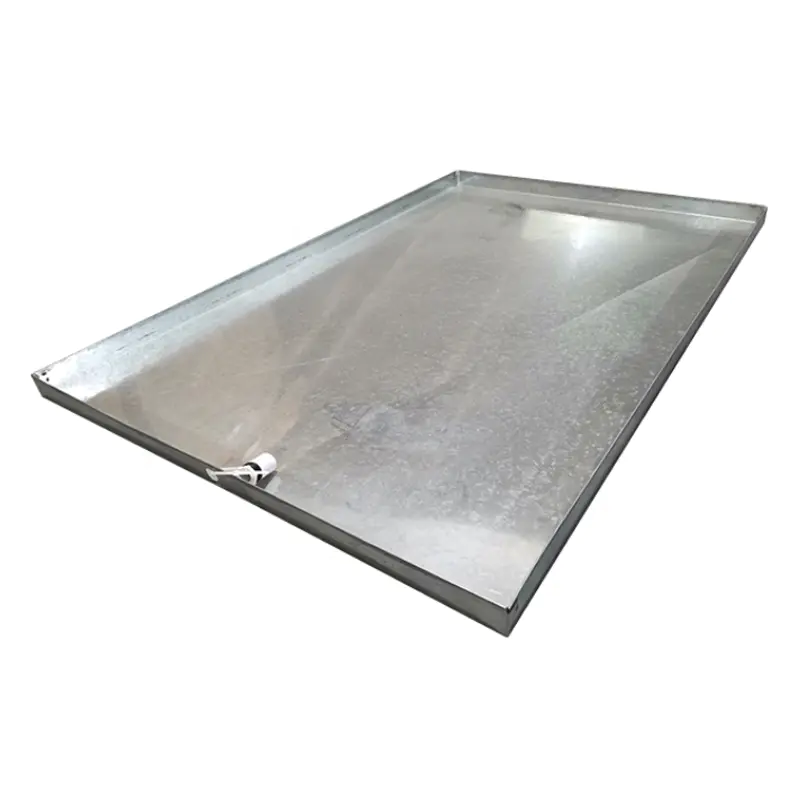
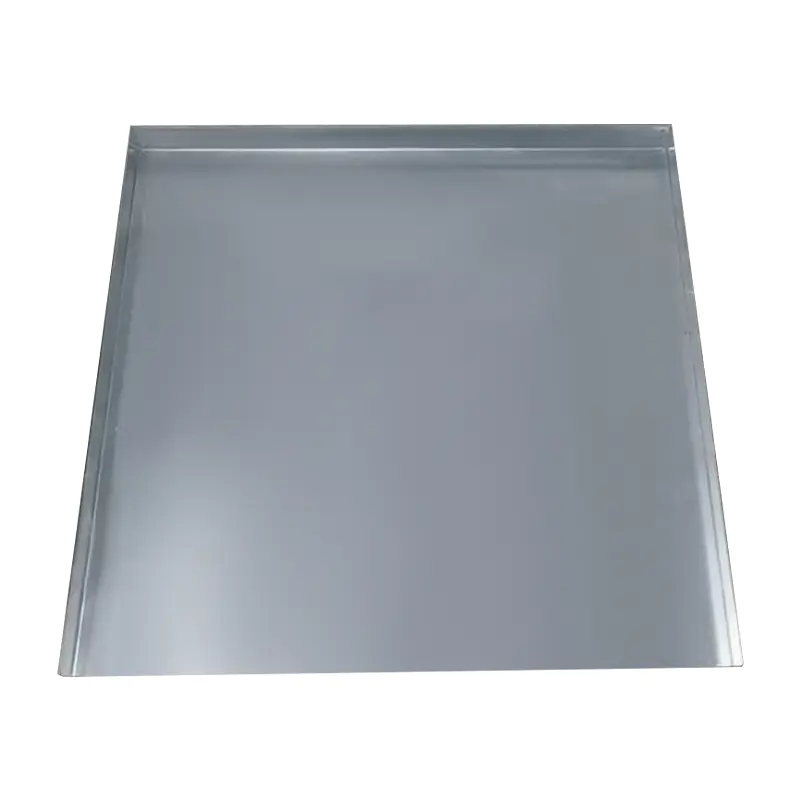
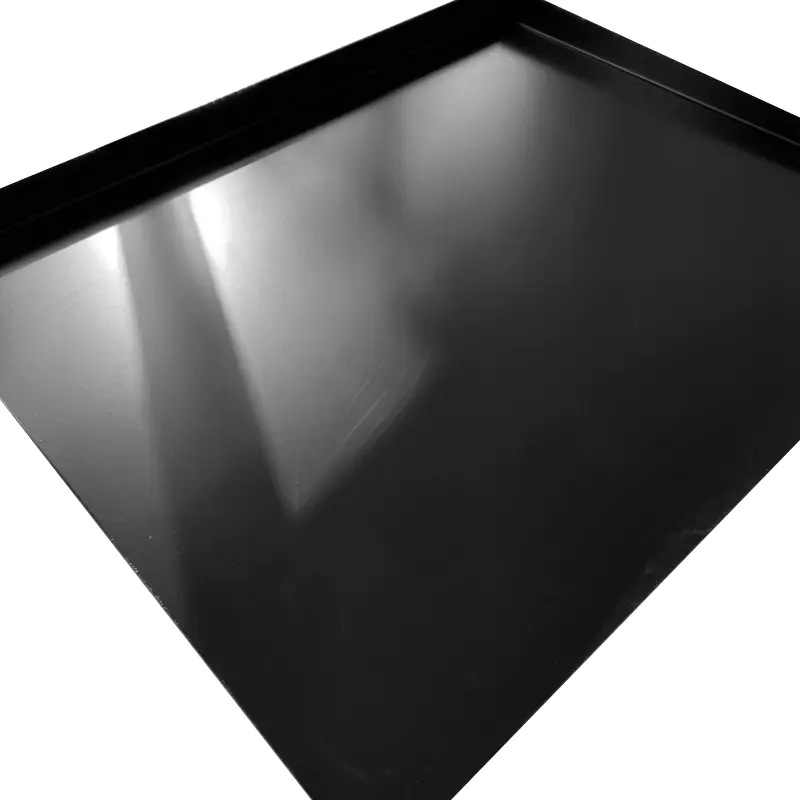
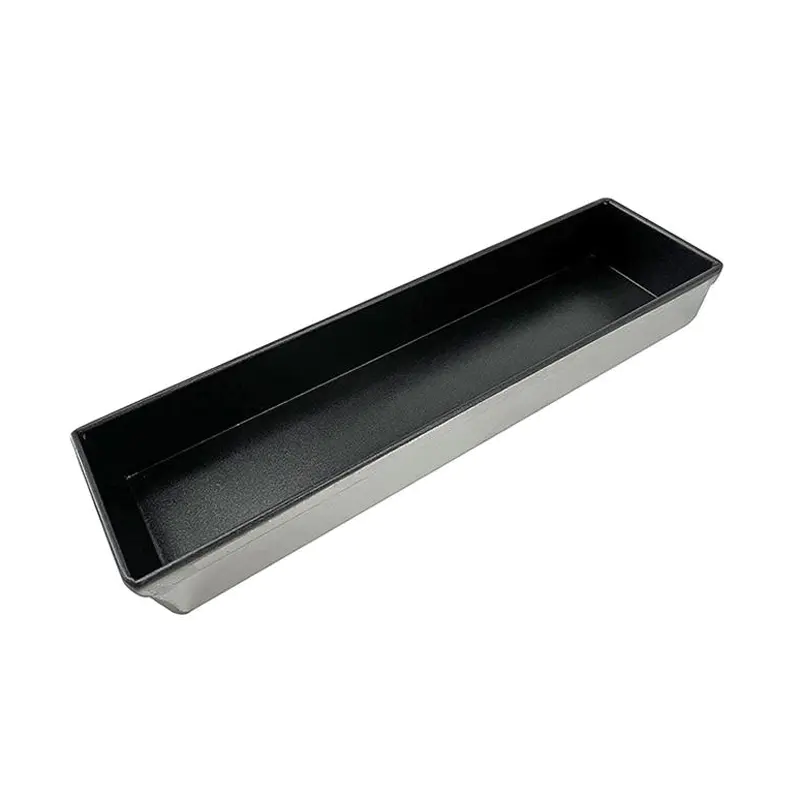
Three material options cover most HVAC applications. For cost-conscious indoor installations, galvanized steel AC drain pans work well as long as the zinc coating remains intact. In coastal areas, high-humidity climates, or food-related buildings, the stainless steel water collection tray provides better resistance to pitting and cleaning chemicals. For exposed mechanical rooms where dirt and algae need to be visible, a black air conditioner drain pan makes residue easier to spot before a blockage forms.
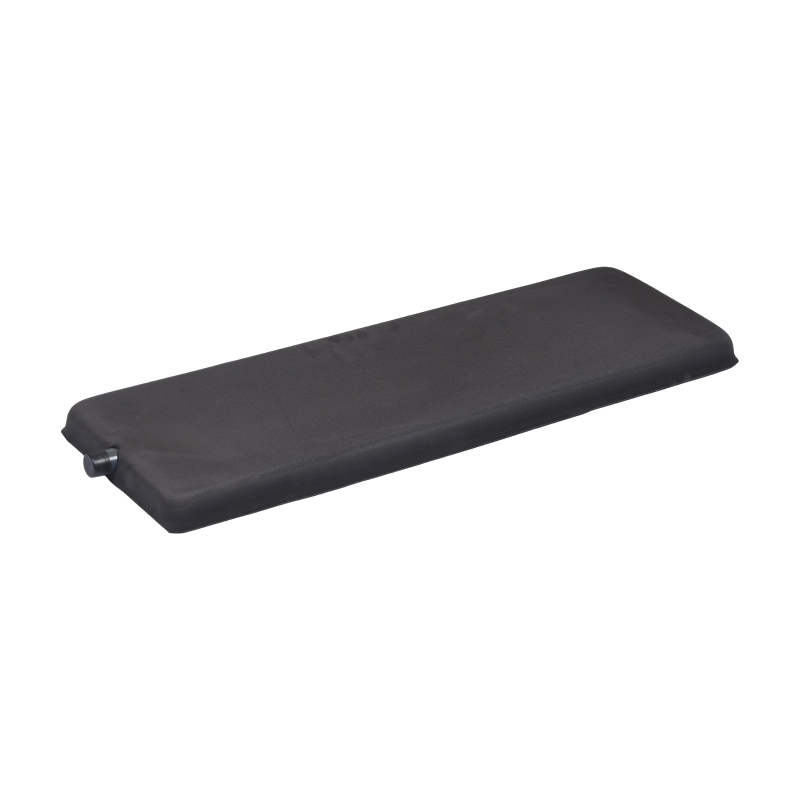 ODM/OEM Black air conditioner drain pan Suppliers, Company - Cixi Chenfeng ElectCixi Chenfeng Electric Co., Ltd is a China Black air conditioner drain pan supplier and company, We provide ODM/OEM customization service...View Product →
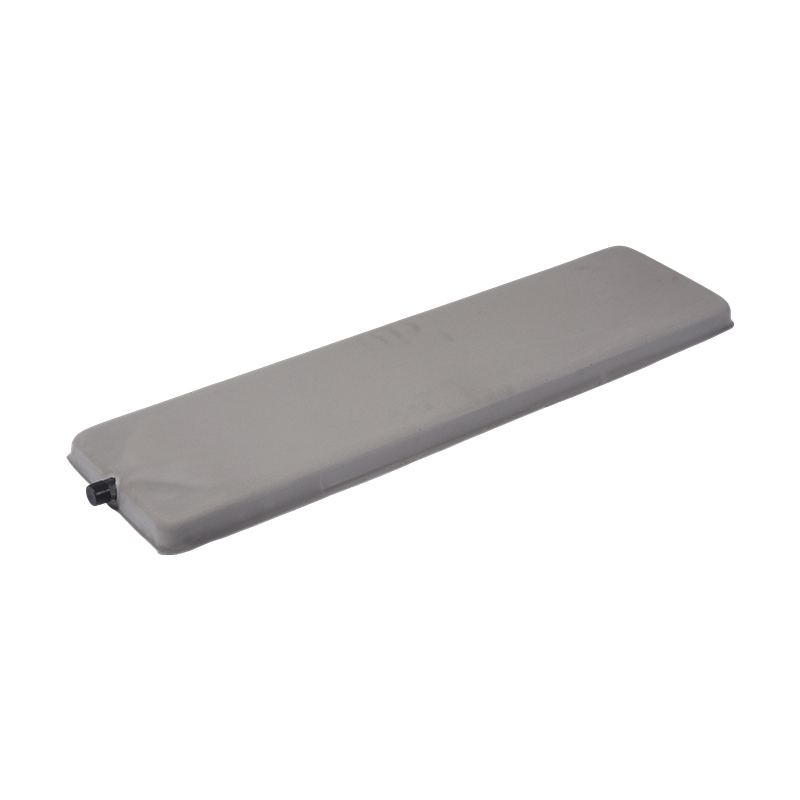 ODM/OEM Stainless steel water collection tray Suppliers, Company - Cixi ChenfengCixi Chenfeng Electric Co., Ltd is a China Stainless steel water collection tray supplier and company, We provide ODM/OEM customization s...View Product →
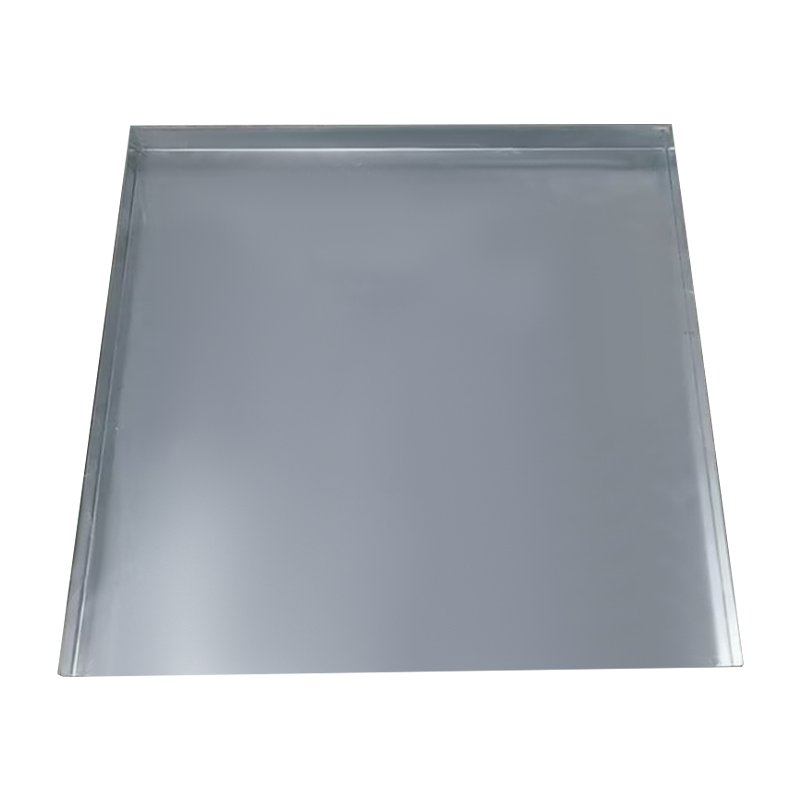 ODM/OEM Galvanized Steel AC Drain Pans Suppliers, Company - Cixi Chenfeng ElectrCixi Chenfeng Electric Co., Ltd is a China Galvanized Steel AC Drain Pans supplier and company, We provide ODM/OEM customization services...View Product →
| Material | Corrosion resistance | Cleaning ease | Common use |
|---|---|---|---|
| Galvanized steel | Good while coating is intact | Good | Indoor units and cost-sensitive projects |
| Stainless steel | Excellent | Excellent | High humidity, coastal, food service |
| Aluminum | Good | Good | Lightweight custom trays |
| Coated or plastic | Varies | Easy | Lower load applications |
Editorial ratings based on common HVAC maintenance outcomes, not laboratory test data.
Use these three features to judge a replacement pan before you buy.
If you are still deciding why this component matters, the full explanation of what an HVAC drain pan is and why it matters walks through the failure points in more detail.
Condensate Pan Treatment: Step-by-Step Maintenance
When the pan design is sound, a simple routine will keep the drain moving and the metal dry. Peak cooling season means more condensate, so increase the frequency in summer.
- Inspect the pan and drain line monthly during continuous cooling operation.
- Remove visible debris from the pan and wipe the drain opening with a soft cloth.
- Clean the pan with a pH-neutral HVAC cleaner or an enzyme treatment. Avoid strong acids and undiluted bleach on metal pans.
- Flush the pan with clean water and confirm that the drain line flows freely.
- Add a slow-dissolve tablet or liquid maintenance treatment if the system runs for long hours in humid weather.
- Record the next service date on the unit label or in the maintenance app.
When Replacement Beats Another Treatment
A condensate pan with rust-through, a crack, or a bottom that no longer slopes cannot be treated back to health. Replacement is the rational choice before water reaches the ceiling, the insulation, or the electrical compartment.
- Visible rust holes or flaking metal on the pan bottom.
- A crack near the drain outlet or along a folded corner.
- Standing water after cleaning because the pan has lost its slope.
- Two or more overflow events within one cooling season.
- A size, shape, or drain location that does not fit the replacement coil.
When you need a custom size, slope, or outlet position, a visit to the factory overview shows the production control behind custom HVAC sheet metal. The wider HVAC system components catalog also helps you see how drain pans, brackets, return boxes, and coil cases fit into one complete airflow path.
Frequently Asked Questions About Condensate Pan Treatment
In humid weather, inspect monthly and clean every one to three months. Systems that run continuously may benefit from a slow-dissolve tablet.
Bleach can kill algae, but it may corrode metal pans and create fumes. A pH-neutral HVAC cleaner or enzyme treatment is safer for both the pan and the technician.
A stainless steel or galvanized pan with a sloped bottom, smooth corners, and a drain at the lowest point is easiest to keep clean.
Replace a pan if it has rust holes, cracks, no slope, or has leaked more than once after the drain was cleared.
-
Galvanized Steel Condensate Collection Pans for Ai...
-
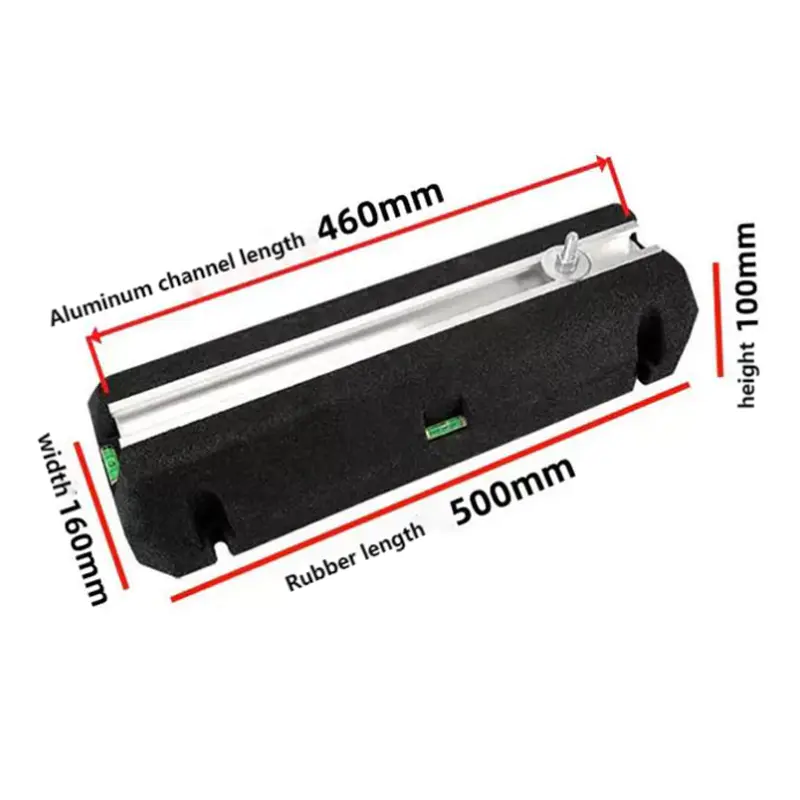
Our Rubber Vibration Isolator Pads for HVAC System...
-
Galvanized Steel AC Drain Pans are specially desig...
-
Custom Square Aluminum & Stainless Steel Drain...
-
Stainless Steel (201) Price: 8 USD (Other material...
-
Our Black Plastic Meat Trays for Fresh and Frozen ...


Contact info.
+86 17398066504 [email protected]
+86 17398066504
[email protected]
[email protected]
+86 17398066504
[email protected]
 +86-0574-63301198
 +86-13706742730
 No. 939, Qiye Road, Zhouxiang Town, Cixi City, Ningbo City, Zhejiang Province, China
Hot Products
Stainless Steel Equipment & Folding BBQ Grill Series Air Conditioner Drain Pan And Outdoor Unit Bracket Ventilation FansGet A Free Quote
Copyright © 2025 by Cixi Chenfeng Electric Co., Ltd All Rights Reserved. Air Conditioner Parts Manufacturers Stainless Steel Sheet Metal Parts Factory
