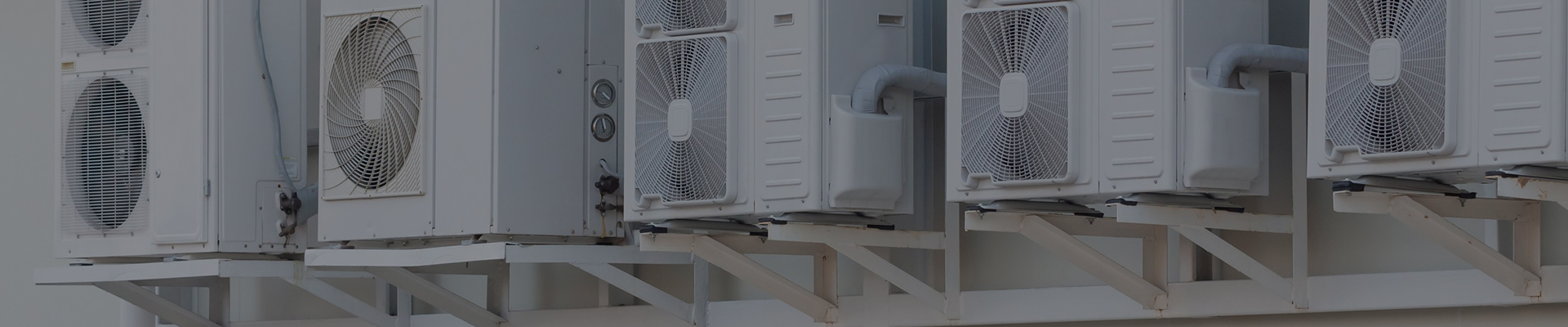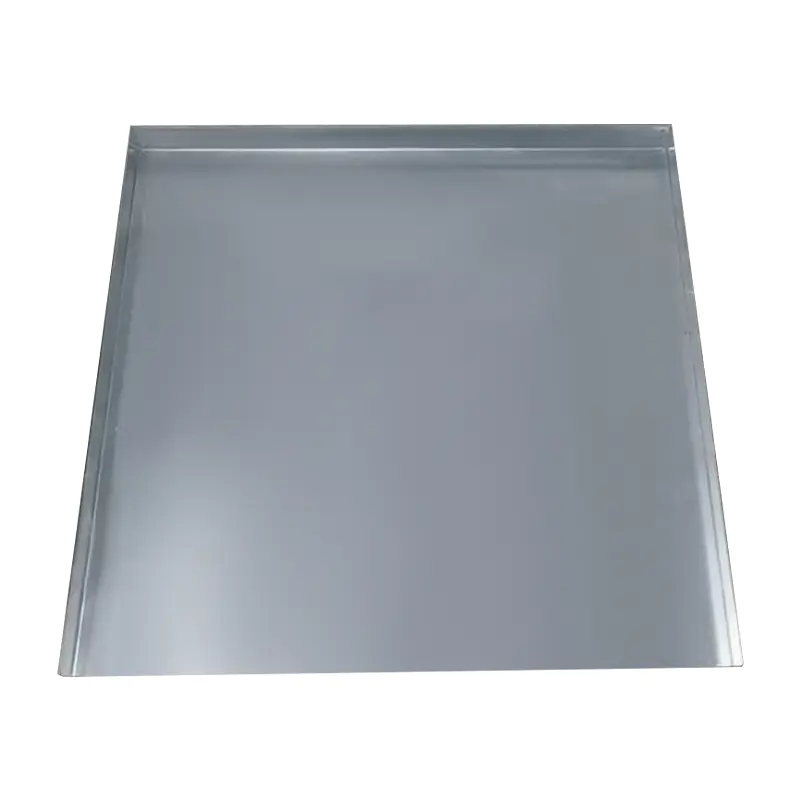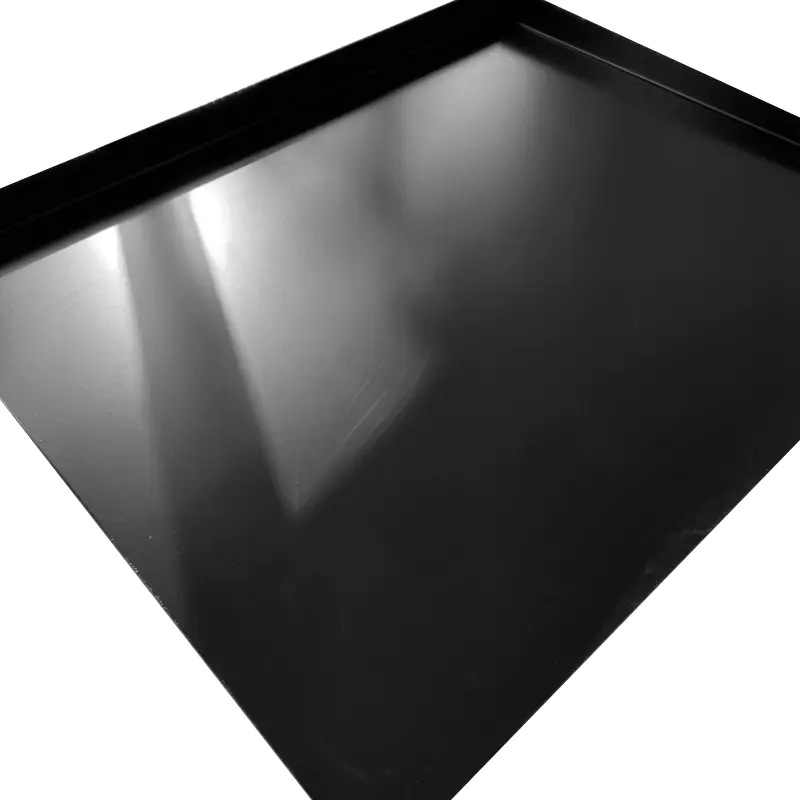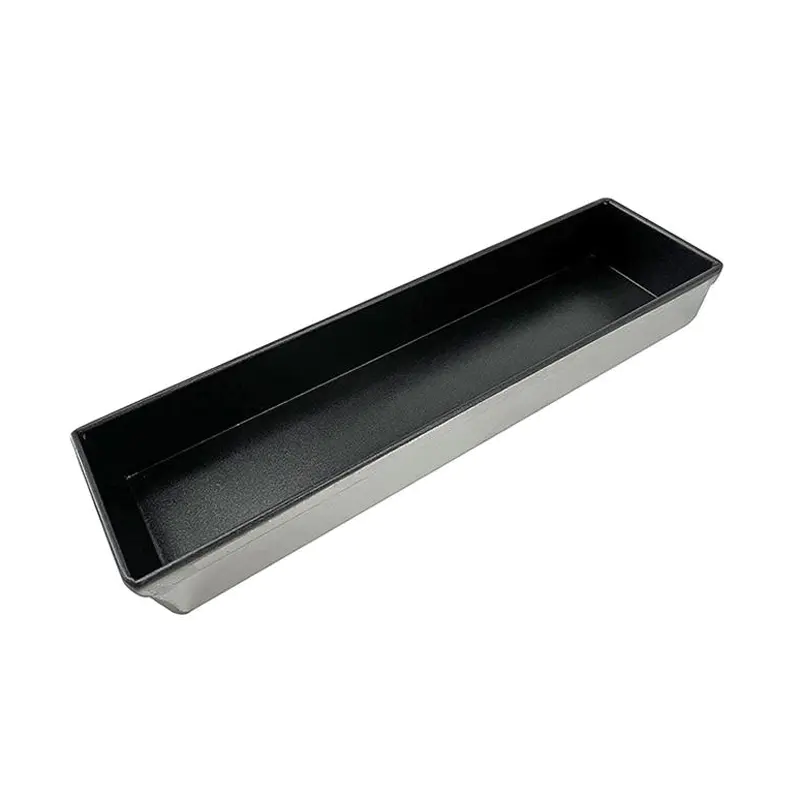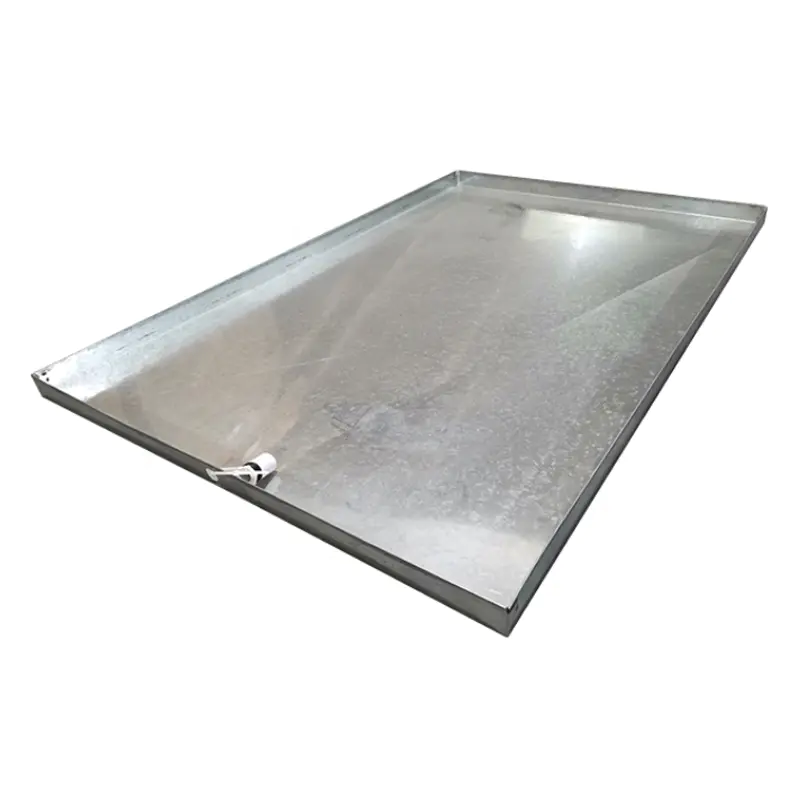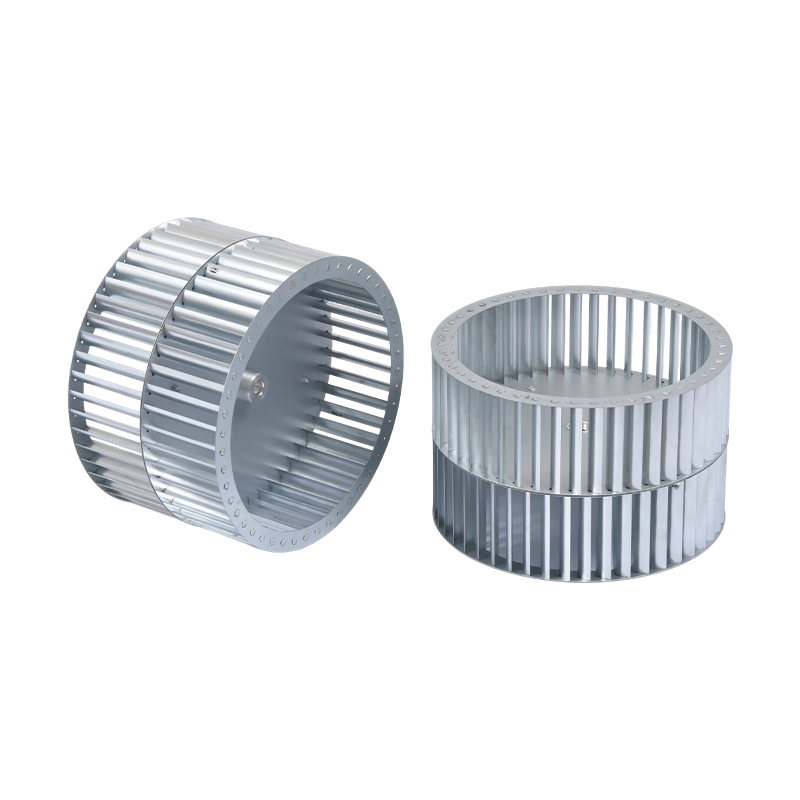
An HVAC drain pan — also called an AC condensate drain pan or drip pan — is the collection tray positioned beneath your air handler, fan coil unit, or evaporator coil to capture the condensation water that drips off during the cooling cycle. Without a properly functioning drain pan, that water lands on ceilings, floors, electrical components, and structural materials, causing mold growth, wood rot, and costly property damage that often runs into thousands of dollars per incident.
Bottom line: a correctly sized, properly maintained HVAC drain pan is the single most cost-effective safeguard against water damage in any central air conditioning system. A residential central air system can generate 5–20 liters of condensate per hour on a humid summer day; a commercial or industrial unit may produce several hundred liters per hour. The drain pan's job is to contain and channel that water safely to a drain line every minute the system operates.
The following guide covers everything engineers, facility managers, contractors, and homeowners need to know — from material selection and sizing methodology to maintenance schedules, failure modes, and when a custom size HVAC drain pan is the right call.
Content
When warm, humid indoor air passes over the cold evaporator coil, moisture in the air condenses on the coil fins — the same physics that fogs a cold glass on a summer day. This condensate drips continuously into the air conditioner drain pan mounted directly below the coil. From there, it flows by gravity or is pumped through a condensate drain line to the building's plumbing system, a dedicated drain point, or outdoors.
A secondary (auxiliary) drain pan is commonly installed beneath the entire air handler unit as a failsafe. If the primary pan overflows — due to a clogged drain line or an algae-blocked outlet — the auxiliary pan contains the spill and, in well-designed systems, triggers a float switch that shuts down the unit and alerts the occupant before water damage begins.
Modern fan coil unit drain pans in commercial applications must handle significantly higher condensate volumes and are often fabricated from stainless steel or galvanized steel with insulated undersides to prevent secondary condensation forming on the pan's exterior surface — a phenomenon that is frequently overlooked but accounts for a measurable share of ceiling water stains in office buildings and hotels.
Fig. 1 — Condensate output varies dramatically by system type and capacity. A typical residential split unit produces around 10 liters per hour, while a large chiller air handling unit can exceed 200 liters per hour under peak summer humidity conditions. This wide range explains why drain pan sizing cannot be treated as a one-size-fits-all decision — undersizing the pan or drain line for a commercial or industrial HVAC system is one of the most common causes of ceiling water damage in commercial buildings. Selecting the right pan capacity at design stage avoids costly remediation later.
Material selection is the most consequential decision in specifying any AC condensate drain pan. The wrong material corrodes, cracks, or fails thermally — generating the very water damage it was installed to prevent. The four dominant materials in current production are stainless steel, galvanized steel, aluminum, and engineered polymers (ABS/PVC/fiberglass). Each has a distinct performance profile.
A stainless steel HVAC drain pan — typically fabricated from 304 or 316L grade — offers the best combination of corrosion resistance, mechanical strength, and service life. Grade 316L is specified wherever chloride exposure is a risk: coastal installations, swimming pool AHUs, and food processing environments. Expected service life under normal condensate chemistry is 20–30 years. Stainless pans are the standard choice for commercial HVAC drain pan applications in hospitals, laboratories, and data centers where reliability cannot be compromised.
A galvanized steel HVAC drain pan provides robust structural rigidity at lower material cost than stainless steel, making it the dominant choice for industrial HVAC drain pan applications where pan dimensions are large and structural deflection under water load must be minimized. The zinc coating provides adequate corrosion protection when condensate pH stays within 6.5–8.5. A freeze resistant galvanized drain pan variant incorporates additional wall thickness and corner reinforcements to withstand freeze-thaw cycling in cold-climate installations — a critical feature for outdoor air handling units and rooftop equipment in northern latitudes.
A custom aluminum HVAC drain pan delivers an excellent strength-to-weight ratio — roughly one-third the weight of equivalent-gauge steel — making it the preferred material for rooftop units and portable or ceiling-suspended installations where structural load limits apply. Aluminum is naturally oxide-passivated and performs well across a wide pH range, though it is susceptible to pitting in strongly alkaline condensate (pH > 9.5) that can form when alkaline cleaning agents enter the drain system.
An insulated drain pan adds a closed-cell foam or rigid insulation layer to the pan's exterior surfaces. This prevents the pan's cold exterior from reaching the dew point of the surrounding air, eliminating secondary condensation that drips from the outside of the pan — a failure mode often misdiagnosed as a drain line clog or coil leak. Insulated pans are mandatory in high-humidity environments such as tropical climates, natatoriums, laundries, and commercial kitchens.
Fig. 2 — Radar comparison across five performance dimensions shows that stainless steel leads in corrosion resistance and service life, making it the top choice for demanding commercial and industrial environments. Galvanized steel excels in structural rigidity and cost-efficiency, which is why it dominates large-format industrial HVAC drain pan fabrication where deflection under heavy water load must be controlled. Aluminum offers the best weight-to-performance ratio, ideal for suspended or rooftop installations with strict structural load limits. No single material wins every dimension — application context determines the optimal choice.
| Material | Typical Service Life | Best Application | Key Limitation |
|---|---|---|---|
| Stainless Steel (304/316L) | 20–30 years | Hospitals, labs, food/pharma, coastal sites | Higher material cost |
| Galvanized Steel | 10–20 years | Industrial AHUs, large commercial, cold climates | Corrodes if pH < 6.5 consistently |
| Aluminum | 15–25 years | Rooftop units, suspended ceiling cassettes | Pitting risk in strongly alkaline condensate |
| ABS / PVC Polymer | 8–15 years | Residential split units, light commercial | Brittle in UV/cold; low structural rigidity |
| Insulated (Any Substrate) | Substrate-dependent | High-humidity environments, tropical climates | Insulation can degrade if submerged |
Standard drain pan dimensions fit the majority of residential and light-commercial equipment because residential HVAC units are designed around a limited set of coil widths and depths. However, commercial and industrial HVAC systems — particularly custom air handling units (AHUs), large fan coil arrays, and chiller plant coils — frequently require a custom size HVAC drain pan because no off-the-shelf product matches the equipment footprint.
A custom square and rectangular drain pan is typically specified when any of the following conditions apply: the coil or AHU has non-standard dimensions; the installation space has height or access restrictions that change drain outlet placement; the system operates at unusually high condensate rates requiring deeper pan walls (standard depth is 25–50 mm; deep-collection pans may be 80–150 mm); or the project requires compliance with specific standards such as NSF 51 (food service), ASHRAE 62.1 (mold prevention depth), or local fire codes affecting pan material.
ODM and OEM customization services allow specifiers to define pan dimensions, wall depth, drain outlet location(s), float switch mounting bosses, slope angle, and surface finish in a single document. Cixi Chenfeng Electric Co., Ltd. provides precisely this service — operating as a China HVAC drain pan manufacturer and air conditioner drain pans factory with wholesale ODM/OEM capabilities to serve contractors and equipment OEMs worldwide.
Fig. 3 — Custom drain pan requirements scale sharply with system complexity. While only 8% of residential projects need a non-standard pan, that figure reaches 92% in pharmaceutical and process-industry applications, where sanitary design requirements, unusual equipment footprints, and compliance standards effectively rule out off-the-shelf solutions. This data reinforces the value of working with a manufacturer that offers genuine ODM/OEM customization rather than a catalog-only product range. For commercial AHU and industrial projects, expecting a standard pan to fit is statistically more likely to result in a costly rework than expecting it to need adjustment.
Understanding why HVAC drip pan replacement becomes necessary — and how to delay it — is essential knowledge for facility managers and service technicians. The following are the four most common failure modes, ranked by frequency according to ACCA (Air Conditioning Contractors of America) service data.
The most frequently reported failure: algae, biofilm, and debris accumulate in the drain line, blocking flow and causing the pan to overflow. ASHRAE Standard 62.1-2022 recommends drain pan depth sufficient to retain standing water only momentarily, combined with a float switch that shuts down the system before overflow occurs. Quarterly flushing with a diluted biocide (e.g., quaternary ammonium or copper sulfate solution) reduces clog frequency by approximately 70% compared with no-treatment baselines.
What causes a drain pan to rust? Galvanized steel pans corrode when condensate is persistently acidic (pH below 6.5) — a condition that develops when dissolved CO₂ from coil air currents acidifies the standing water. Pitting corrosion perforates the pan base, creating an undetected leak that damages the structure below. Specifying a stainless steel drain pan or a properly coated galvanized pan, combined with annual pH testing of standing condensate, eliminates this failure mode in the vast majority of installations.
Outdoor and semi-outdoor HVAC equipment in climates where temperatures fall below −10°C is vulnerable to freeze cracking of the drain pan during equipment shutdown. A freeze resistant HVAC drain pan addresses this through wall thickness increases, rounded internal corners (which distribute freeze stress rather than concentrating it at weld seams), and in some specifications, integral electric trace heating elements that prevent ice formation in the drain outlet without heating the full pan volume.
A pan that deflects under a full water load ponds water away from the drain outlet, increasing residence time for algae and accelerating corrosion. For large-format heavy duty HVAC drain pans, engineers specify minimum pan gauge based on a maximum center deflection of 3 mm under full design water load. Adding cross-bracing or intermediate support rails to the pan structure eliminates this deflection without a full gauge increase.
Fig. 4 — Drain line clogging and overflow is by far the most common failure mode, accounting for 68% of all drain pan-related service calls. This statistic has remained consistent across multiple industry surveys and explains why float switch installation and quarterly drain line maintenance are the highest-return preventive actions available to building operators. Corrosion and perforation at 25% represents the second-largest category and is almost entirely preventable through correct material specification at the time of installation — retrospective treatment of corroded pans is rarely cost-effective compared with replacement using a correctly specified material.
Regular cleaning of the air conditioner drain pan is the most direct maintenance action an operator can take to extend pan life and prevent overflow events. The following procedure applies to both residential and commercial systems and should be performed at least twice per year — at the start and end of the cooling season.
What size drain pan do you need? The pan must extend at least 25 mm (1 inch) beyond the perimeter of the evaporator coil in all directions to capture all drip-off, including drips that run along the coil frame before falling. Pan depth must be sufficient to contain a minimum of 15 minutes of peak condensate flow in the event of a temporary drain blockage — a buffer that gives a float switch time to trip and shut down the unit.
For an air handler drain pan, ASHRAE 62.1-2022 specifies a minimum drain pan depth of 25 mm (1 inch) for residential systems and recommends deeper pans — up to 75 mm — for systems in humid climates or where drain line runs are long and slope is minimal. Commercial HVAC drain pan sizing typically follows the equipment OEM's specification sheet, which accounts for coil face area, fins-per-inch configuration, and entering air conditions.
The following quick-reference sizing rule provides a starting point for pan depth (D) based on system capacity: D (mm) = System cooling capacity (kW) × 1.5, with a minimum of 25 mm and a maximum practical depth of 150 mm for standard applications. Systems above 100 kW in humid climates should be verified by hydraulic calculation rather than this rule-of-thumb alone.
Fig. 5 — Pan depth requirements increase with system capacity, following approximately a linear relationship when the rule-of-thumb formula is applied. At 5 kW (a small residential unit), a 25 mm pan meets the minimum with essentially no additional buffer. At 55 kW (a mid-size commercial fan coil), the recommended depth reaches approximately 82 mm. This chart should be used as a planning tool only — final sizing must account for local humidity conditions, drain line slope, and any applicable code requirements. In humid climates, adding a 15–20 mm safety margin above the calculated depth is standard engineering practice to accommodate peak condensate events during storms or unusually humid periods.
How often should a drain pan be replaced? There is no universal service-hour limit, but the following indicators signal that HVAC drip pan replacement is warranted rather than continued repair:
Cixi Chenfeng Electric Co., Ltd. is a professional enterprise in the electrical field, specializing in the development and production of central air conditioning accessories — including a comprehensive range of HVAC drain pans, from residential air conditioner drain pans to heavy duty HVAC drain pans for industrial AHUs.
As a China HVAC drain pan manufacturer and air conditioner drain pans factory, the company provides wholesale ODM/OEM customization services covering stainless steel, galvanized steel, and aluminum substrates in custom square and rectangular formats. With proven technical capability, consistent product quality, and an established market reputation, Cixi Chenfeng Electric Co., Ltd. serves contractors, equipment OEMs, and distributors across multiple international markets.
Q1: What is an HVAC drain pan used for?
An HVAC drain pan collects condensation water that drips from the evaporator coil during the cooling cycle. It channels that water to a drain line, preventing it from contacting the building structure, electrical components, or interior finishes. A secondary (auxiliary) drain pan beneath the air handler provides a failsafe in case the primary pan or drain line fails.
Q2: Why is water leaking from my AC drain pan?
The most common cause is a clogged drain line that backs up water until the pan overflows. Other causes include a cracked or corroded pan, a disconnected drain fitting, or the pan being installed at an incorrect angle so water cannot reach the drain outlet. Check the drain line first — flush it with water to confirm flow before inspecting the pan itself.
Q3: How often should a drain pan be replaced?
There is no fixed replacement interval. Stainless steel pans routinely last 20–30 years; galvanized pans typically 10–20 years; ABS/PVC pans 8–15 years. Replace any pan showing perforation, structural cracking, permanent warping, or extensive coating delamination — regardless of age. Also replace when upsizing the HVAC system to ensure the pan is correctly sized for the new condensate load.
Q4: What causes a drain pan to rust?
Rust forms when condensate is persistently acidic (pH below 6.5), which dissolves the galvanized zinc coating and exposes bare steel. Dissolved CO₂ from coil airflow acidifies standing water over time. Annual pH testing of drain pan condensate and periodic biocide treatment prevent the pH drop that initiates rusting. Specifying a stainless steel drain pan eliminates this failure mode entirely.
Q5: Can I use AC without a drain pan?
No. Operating an air conditioning system without a functioning drain pan allows condensate water to drip freely onto the ceiling, walls, electrical wiring, and structural materials below. This creates an immediate risk of mold growth, wood rot, and electrical hazards. Most building codes and ASHRAE 62.1 mandate a drain pan for any evaporator coil installation, and many equipment warranties are voided without one.
Q6: How do you clean an HVAC drain pan?
Shut down the system, vacuum out standing water, inspect for damage, apply a diluted biocide solution and scrub with a non-abrasive brush, then flush the drain line to confirm clear flow. Test the float switch before restoring power. This procedure should be performed at least twice per year — at the beginning and end of the cooling season — and more frequently in humid climates or systems with heavy biological growth history.
Q7: What material is best for drain pans?
Stainless steel (304 or 316L) offers the best overall performance — superior corrosion resistance, 20–30 year service life, and suitability for hygienic applications. Galvanized steel is the most practical choice for large industrial pans where structural rigidity at lower cost is the priority. Aluminum suits suspended and rooftop applications with weight constraints. No material is universally best — the right choice depends on your application environment, humidity level, and maintenance capability.
Q8: How do I stop my AC drain pan from overflowing?
Install a float switch that shuts down the unit when water reaches a set level — this is the single most effective preventive measure. Keep the drain line clear with quarterly flushing and annual biocide treatment. Ensure the pan is installed with adequate slope (minimum 1:100 toward the drain outlet). For systems in extremely humid climates, consider increasing pan depth or adding a secondary drain connection as a backup flow path.
Q9: What size drain pan do I need?
The pan must extend at least 25 mm beyond the coil perimeter in all directions. Depth follows the rule D (mm) = cooling capacity (kW) × 1.5, with a minimum of 25 mm per ASHRAE 62.1. For systems above 20 kW or in high-humidity climates, add a 15–20 mm safety margin and verify with hydraulic calculation. Custom size HVAC drain pans are the standard solution for commercial AHUs and industrial equipment with non-standard footprints.
Q10: Are HVAC drain pans universal?
No. While standard sizes exist for common residential coil widths (typically 14", 17.5", 21", and 24.5" in North American markets), commercial and industrial systems almost always require custom dimensions. Fan coil unit drain pans, large AHU pans, and process-industry pans are virtually always project-specific. Working with a manufacturer offering ODM/OEM customization is the most reliable way to obtain a correctly fitted pan for non-standard equipment.
Custom HVAC Drain Pan Factory Supply - Cixi Chenfeng Electric Company
Jun 17,2026What Is an HVAC Drain Pan and Why Is It Important?
Jun 17,2026Precision Sheet Metal Customization Becomes Mainstream in HVAC Hardware Industry, Multi-Material AC Accessories Adapt to Global Market New Standards
Jun 16,2026Contact info.
+86-0574-63301198
+86-13706742730
+86 15967843486
[email protected]
[email protected]
No. 939, Qiye Road, Zhouxiang Town, Cixi City, Ningbo City, Zhejiang Province, China
Get A Free Quote
Copyright © 2025 by Cixi Chenfeng Electric Co., Ltd All Rights Reserved. Air Conditioner Parts Manufacturers Stainless Steel Sheet Metal Parts Factory