

 English
  中文简体
中文简体  русский
  Français
  عربى
عربى  Español
Industry News
Where Is the Condensation Drain on AC? Locate the Pan, Line and Exit Point
Here is the short answer: on a standard split-system air conditioner, the condensation drain starts at the indoor unit, not at the outdoor condenser. The drain pan sits directly under the evaporator coil inside the air handler cabinet, and the drain fitting is at the lowest corner of that pan. Depending on the house, that cabinet may be in an attic, a closet, a crawl space, a basement, or above a ceiling.
The pipe you see dripping near the foundation is only the discharge end. Finding it tells you where the water goes, but the part that actually collects the water sits with the indoor coil. If you are chasing a leak, a clog, or a musty smell, the indoor cabinet is where the search should start.
Content
- 1 Where the condensation drain sits on each system type
- 2 Follow the water: how a condensate path is laid out
- 3 What the drain pan itself has to get right
- 4 How to confirm the location in five minutes
- 5 Location problems that cost money later
- 6 Frequently asked questions
- 6.1 Q1. Where is the condensate drain on a split AC?
- 6.2 Q2. Does the AC drain line go outside?
- 6.3 Q3. Why can I not find the drain on my mini-split?
- 6.4 Q4. What is the pipe dripping near my foundation?
- 6.5 Q5. How do I know if the pan sits under the whole coil?
- 6.6 Q6. Can I locate the drain without opening the cabinet?
Where the condensation drain sits on each system type
The location changes with the equipment, but the logic does not: the drain is always at the lowest point of the surface where condensation forms. The table below maps common systems to the two ends of the drain path, the collection point and the discharge point.
| System type | Where the pan and drain fitting sit | Where the line usually exits |
|---|---|---|
| Central split system with air handler or furnace | Pan inside the cabinet, directly beneath the A-coil; fitting at the pan's low corner, often behind a removable panel | Exterior wall near the foundation, a soffit, a floor drain, or a condensate pump |
| Ductless mini-split wall head | Pan is built into the indoor head; the hose leaves through the same wall hole as the refrigerant lines | Outside wall beside the indoor head, often clipped along the wall toward the outdoor unit |
| Ceiling cassette or ducted ceiling unit | Pan sits above the ceiling under the coil; the line runs to a riser or a small condensate pump | Utility drain, bathroom drain, or an exterior wall |
| Packaged rooftop, PTAC, or window unit | Pan is inside the chassis below the coil; window units often sling condensate onto the condenser coil | Base of the unit, rear of the chassis, or a drain kit |
| High-efficiency condensing furnace | A plastic condensate trap and drain box sits beside or beneath the furnace | Floor drain, condensate pump, or neutralizer |
Follow the water: how a condensate path is laid out
Every drain path is built in the same order, and knowing that order makes the search fast. Water forms on the cold coil, falls into the pan, and leaves through a fitting at the low corner.
Cutaway view of an indoor air handler; proportions simplified for clarity.- 1 - Evaporator coil, the cold finned surface where condensation forms
- 2 - Primary drain pan, sitting directly under the full coil footprint
- 3 - Drain fitting and P-trap at the low corner of the pan
- 4 - Indoor cabinet: air handler, furnace, or blower section
- 5 - Discharge point where the line leaves the building
Two details decide whether that path works. First, the pan must slope toward the drain fitting. Codes and manufacturers generally call for a downward slope of at least 1/8 inch per foot on horizontal runs so water never stands in the tray. Second, the line needs a trap: a U-shaped section that holds a small amount of water and stops the blower from pulling air through the drain instead of through the return. A dry trap pulls air, and air movement carries dust and biofilm into the line, which is how a drain that worked for two summers suddenly overflows.
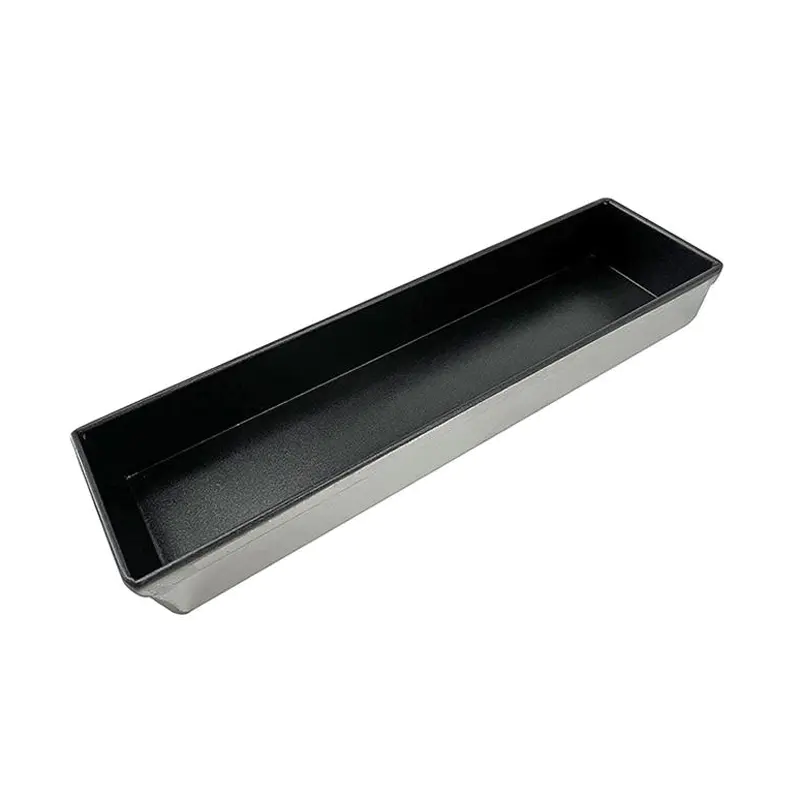
In tight cabinets, especially where an A-coil is squeezed into a low plenum, a flat tray will not fit under the whole coil. Shaped trays solve this - a V-shaped water collection tray follows the angle of the coil and still drains to a single low point instead of forming two shallow puddles that never fully empty.
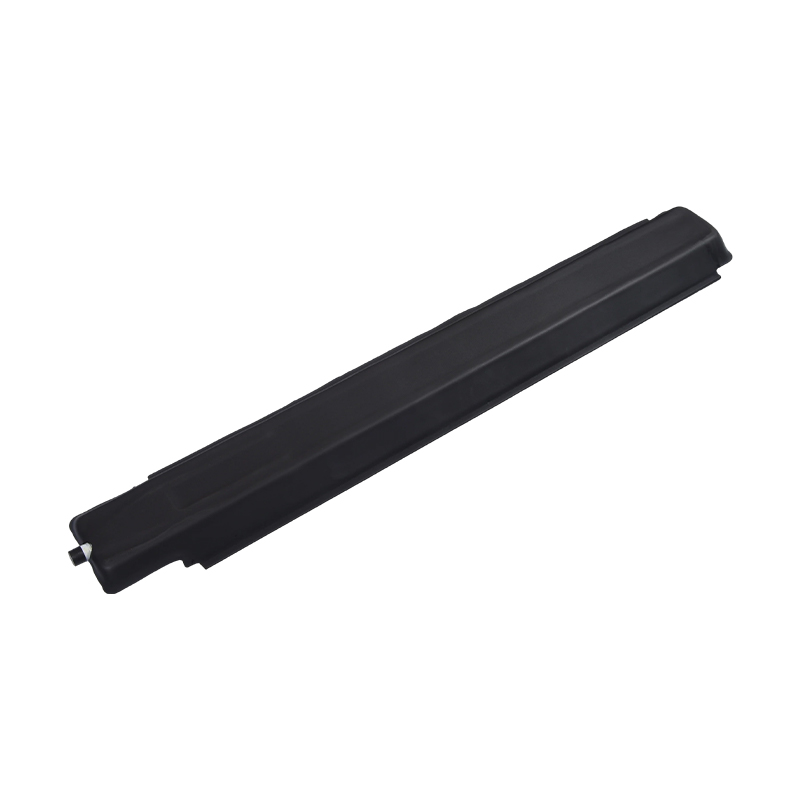 V-shaped water collection trayThe V-Shaped Air Conditioner Water Collection Tray is a high-efficiency condensate drainage solution designed for residential air conditioning systems, central HVAC un...View Product →
Volume explains why pan capacity and pump sizing matter. The chart below is an illustrative schematic for typical residential sizes at moderate indoor humidity, not a measured dataset; real output depends on climate, runtime, and indoor moisture load.
Illustrative daily condensate output by system size; ranges vary widely in service.What the drain pan itself has to get right
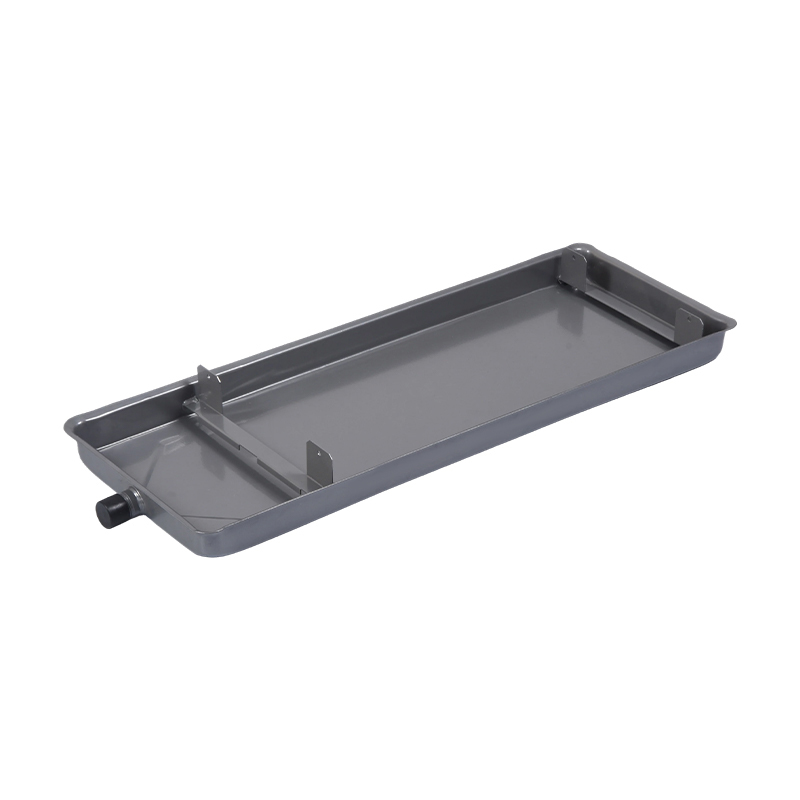
A condensate pan looks like a simple tray, and that is exactly why it fails. A flat tray with a weak corner seam will leak after a few hundred heating and cooling cycles, and the leak usually appears somewhere nobody looks until the ceiling stains. In practice a pan is a formed sheet metal part that has to hold water for years inside a dark, humid cabinet.
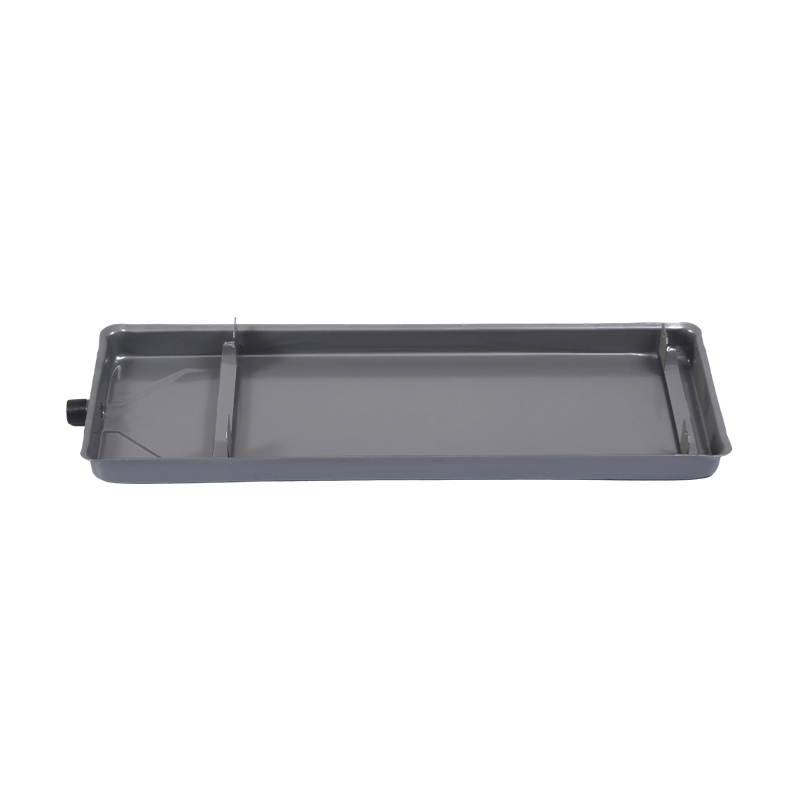 Air conditioner condensate trayThe air conditioner condensate tray is a critical component in air conditioning systems, used to collect and drain condensed water from the evaporator surface. It is t...View Product →
Material choice drives service life:
- Galvanized steel: economical with good general corrosion resistance, the common choice for residential replacement pans
- 304 stainless steel: longest service life, preferred for coastal air, wash-down areas, and pans that are hard to reach
- Aluminum: light and easy to form where weight matters
- Cold-rolled steel with powder coating: strong and dimensionally precise, but the coating has to survive every bend and the drain fitting weld
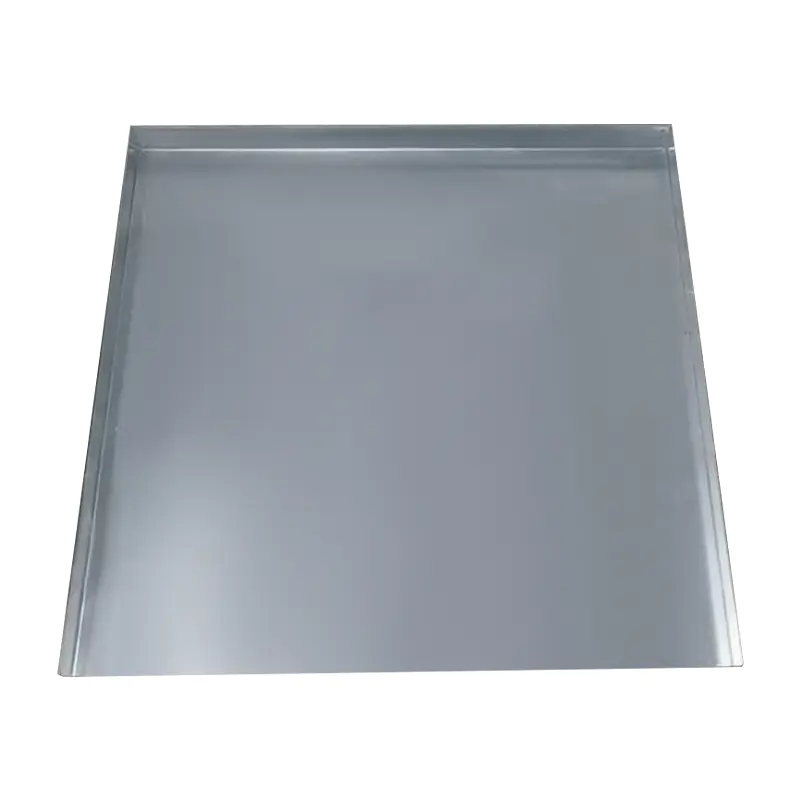
Two points fail most often: the weld or fitting where the drain exits, and the corner seams. If a pan is replaced because of rust, the replacement should match or exceed the original material, or the same failure returns in half the time. For a standard residential cabinet, a galvanized steel AC drain pan is usually the direct replacement; coastal air or a hard-to-reach ceiling installation justifies stainless instead.
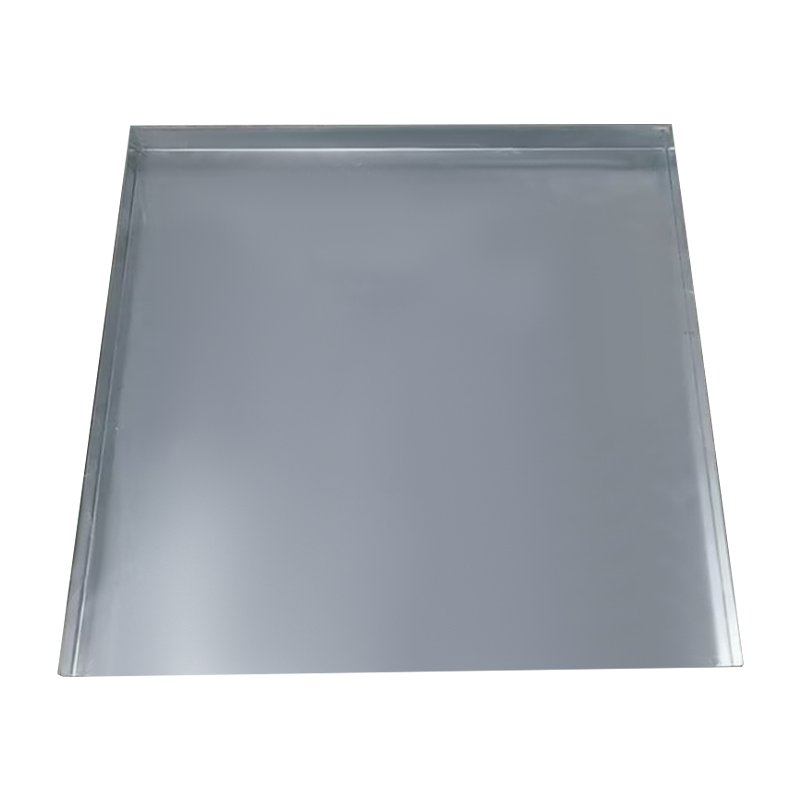 Galvanized Steel AC Drain PansGalvanized Steel AC Drain Pans are specially designed for HVAC and air-conditioning systems to collect and drain condensate water efficiently, helping prevent water le...View Product →
Cixi Chenfeng Electric Co., Ltd. is a professional enterprise in the electrical field, focusing on the development and production of central air conditioning accessories. We are a professional air conditioner parts manufacturer and sheet metal parts factory. With excellent technical strength, reliable product quality and good market reputation, the company occupies an important position in the central air conditioning accessories industry. We specialize in the production of air conditioning accessories and other custom sheet metal parts, including brackets, water trays, and related components. Precision manufacturing and strict quality control at our sheet metal manufacturing facility provide a solid quality assurance for air conditioning systems, and OEM or ODM projects are supported from sample to volume.
How to confirm the location in five minutes
- Switch the thermostat off; if you plan to open a panel, cut power at the breaker as well.
- Find the indoor unit by following the large insulated copper lines from the outdoor condenser back into the house.
- Remove the access panel. The coil is the finned block; the pan is the shallow tray directly beneath it.
- Look at the lowest corner of the pan. That is the drain fitting, usually a 3/4 inch PVC pipe or a clear flexible hose.
- Trace the line from the fitting into the trap, then out of the cabinet to the discharge point or condensate pump.
- If you find a second, wider pan under the whole unit, that is the secondary pan, often paired with a float switch that shuts the system down before an overflow.
Avoid probing an unfamiliar drain with wire while the unit is running. If water is standing in the pan, the problem is the slope or the trap, not the width of the tray.
Location problems that cost money later
According to the American Society of Home Inspectors, all HVAC equipment that produces condensate should have either a secondary drain line or a condensate overflow switch, plus a secondary pan where the installation requires it. That backup exists because the primary line is the part most likely to clog: algae, dust, and biofilm build up inside the trap and along the first horizontal run.
The failures worth watching are almost always location-related:
- A discharge point directly above a walkway or window, causing staining and a slipping hazard
- Standing water in the pan, which means the slope has been lost or the fitting is partially blocked
- A pan that has sat wet for years, with corrosion concentrated at the drain fitting
- A discharge that ends too close to the foundation, pushing water back into the wall it came from
- A secondary pan without a float switch, which catches water but never warns anyone
If you want the component itself explained before you specify or replace one, this guide to what an HVAC drain pan does covers its function and the common failure modes.
Frequently asked questions
Q1. Where is the condensate drain on a split AC?
At the indoor unit. The pan sits under the evaporator coil, and the drain fitting is at the low corner of that pan, inside the air handler cabinet.
Q2. Does the AC drain line go outside?
It often ends outside near the foundation or under a soffit, but it can also run to a floor drain, a utility sink, or a condensate pump indoors.
Q3. Why can I not find the drain on my mini-split?
The hose leaves through the same wall hole as the refrigerant lines, so it is usually hidden in the line set cover or clipped along the exterior wall.
Q4. What is the pipe dripping near my foundation?
That is the discharge end of the condensate line. Water there is normal during cooling; a steady stream when the unit is off is not.
Q5. How do I know if the pan sits under the whole coil?
With the panel open, the coil footprint should fall inside the pan edges, and the pan should slope toward one low corner.
Q6. Can I locate the drain without opening the cabinet?
Sometimes. Follow the insulated lines indoors, listen for the trap, or trace the exterior discharge back to the wall penetration.
-
Galvanized Steel AC Drain Pans are specially desig...
-
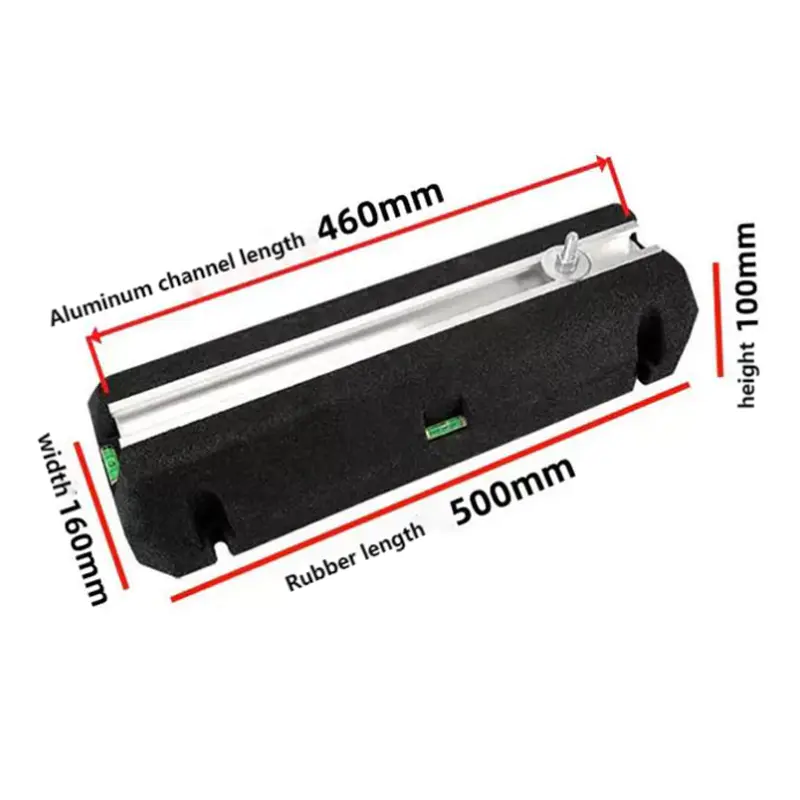
Our Rubber Vibration Isolator Pads for HVAC System...
-
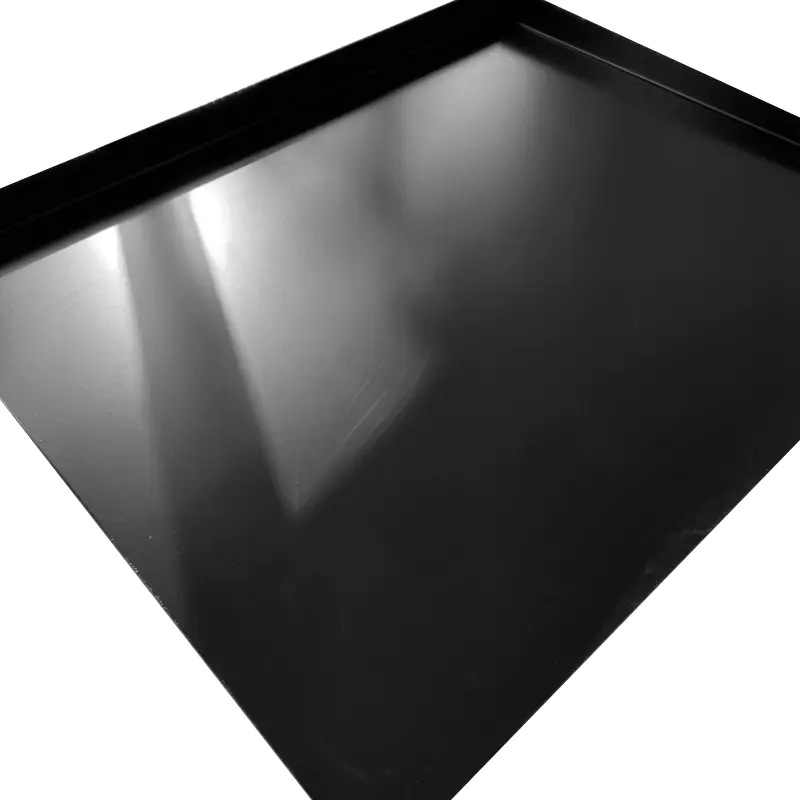
Custom Square Aluminum & Stainless Steel Drain...
-
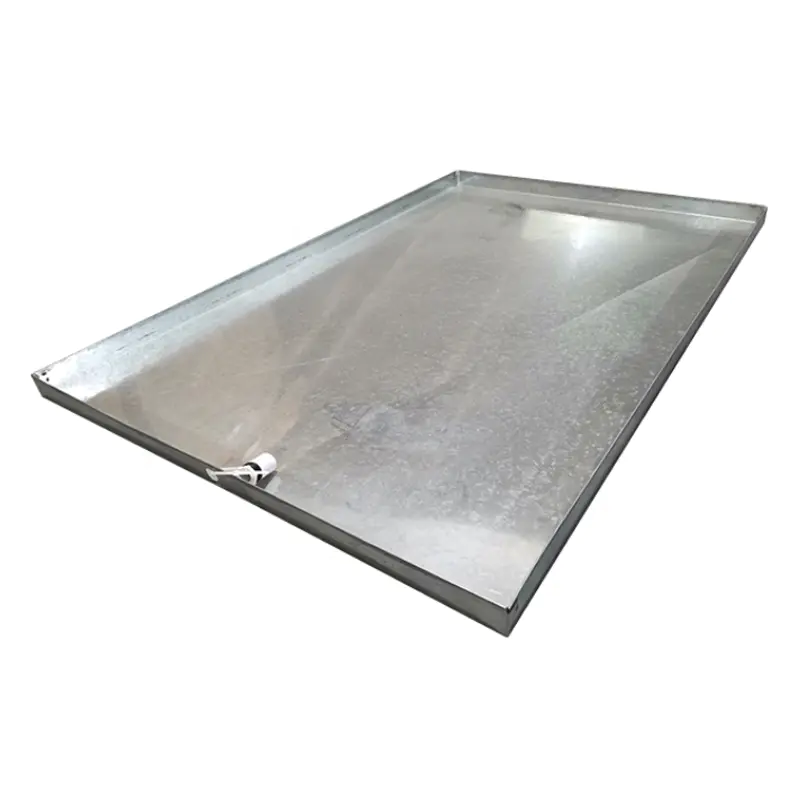
Galvanized Steel Condensate Collection Pans for Ai...
-
Our Black Plastic Meat Trays for Fresh and Frozen ...
-
The air conditioner condensate tray is a critical ...

Contact info.
+86 15967843486 [email protected]
+86 15967843486
[email protected]
[email protected]
+86 15967843486
[email protected]
 +86-0574-63301198
 +86-13706742730
 No. 939, Qiye Road, Zhouxiang Town, Cixi City, Ningbo City, Zhejiang Province, China
Get A Free Quote
Copyright © 2025 by Cixi Chenfeng Electric Co., Ltd All Rights Reserved. Air Conditioner Parts Manufacturers Stainless Steel Sheet Metal Parts Factory
