

 English
  中文简体
中文简体  русский
  Français
  عربى
عربى  Español
Industry News
Where Is the Condensate Drain Line Located? How to Locate and Maintain It
Puddles around the furnace, water stains on the ceiling, or a fan coil that keeps tripping its overflow switch: all three problems usually trace back to one overlooked component. The condensate drain line is the pipe that carries the water your air conditioner removes from indoor air to a safe discharge point, and on most residential systems it is a white or gray PVC tube connected to the drain pan below the evaporator coil. Finding it takes minutes once you know the typical route: from the indoor air handler or furnace, along a gently sloped horizontal run, to a floor drain, laundry standpipe, or exterior wall.
Content
Where Is the Condensate Drain Line Located?
The short answer: the condensate drain line is always tied to the indoor unit, never to the outdoor condenser. The outdoor condenser only rejects heat; it does not collect water. Inside the air handler or furnace, the evaporator coil gets cold, and warm room air condenses on it just as moisture forms on a glass of iced tea. That water drips into the condensate drain pan, then leaves the cabinet through the drain line. If you are unfamiliar with this part, this explainer on what an HVAC drain pan does and why it matters covers the basics.
Follow the Equipment, Not the Compressor
- Basement or utility closet (northern climates): the air handler sits beside the furnace or water heater. The drain line exits the cabinet near floor level and runs to a floor drain, a laundry tub, or up through the wall to the exterior.
- Attic installation (southern climates): the line stays in the attic and typically exits through a soffit or gable end. Attic systems often use a condensate pump to push water uphill to the discharge point.
- Garage or mechanical room: the line runs a short distance to the nearest drain or exterior wall, and may be raised off the floor with a small condensate pump.
- Crawl space: the drain line hangs below the floor joists and exits through the foundation wall.
Where the Line Terminates
- Floor drain or floor sink, common in basements and mechanical rooms.
- Laundry standpipe, when the air handler is near the washing machine connection.
- Exterior wall outlet, where the pipe ends a few inches above the ground or over a splash block.
- Sump pit, with or without a small condensate pump.
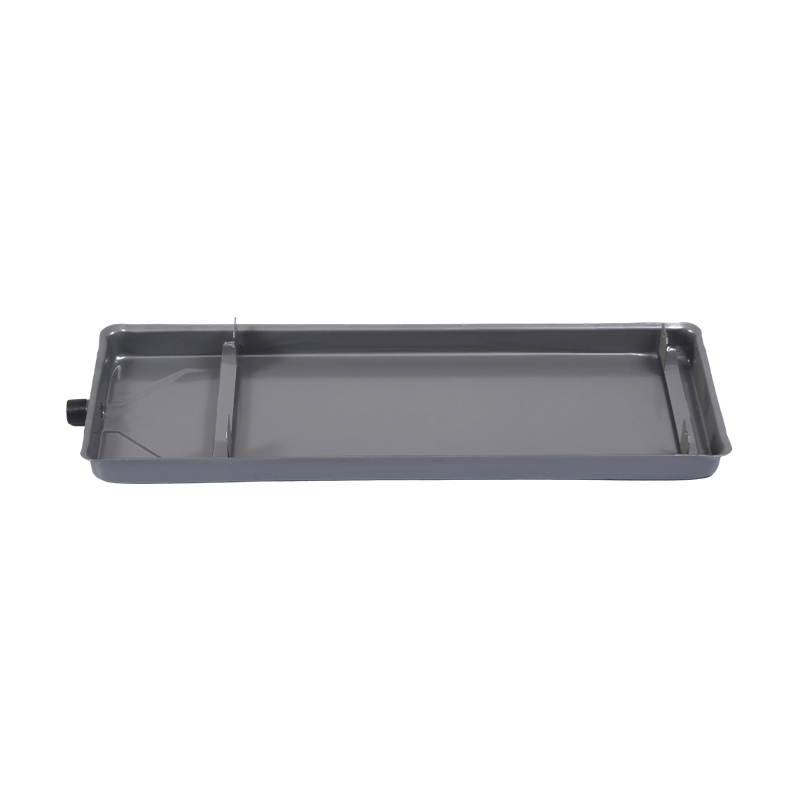 Customizable Corrosion-Resistant Air Conditioner Condensate TrayThis condensate drip pan collects water from the evaporator coil and directs it safely away. Its custom sizing, sealed edges, and anti-clogging slopes suit replacement or OEM needs while resisting rust in humid environments.View Product →
Figure 1. Cutaway view of a typical split-system condensate drain path.
The diagram above shows the complete path in a typical ducted split system: the evaporator coil sits above the drain pan, the PVC line leaves the pan with a slight slope, passes through a P-trap, crosses through the wall, and discharges outside. In warmer climates you will also see foam insulation wrapping the cold pipe and the first few feet of the drain line to prevent condensation on the pipe surface.
How to Find the Drain Line, Step by Step
The table below summarizes the most common routes by system type. Confirm your actual configuration before cleaning, cutting, or replacing anything.
| System type | Indoor unit location | Typical drain line route |
|---|---|---|
| Central AC with furnace | Basement, utility closet, or garage | PVC line from the furnace cabinet to a floor drain, standpipe, or exterior wall |
| Central AC with air handler | Attic, closet, or garage | Bare or insulated PVC from the pan to a soffit, gable exit, or condensate pump |
| Ductless mini-split | Indoor wall-mounted unit | Small-diameter hose from the indoor head, routed behind or below the unit, then through an exterior wall |
| Packaged or window unit | Through-wall sleeve or window frame | Condensate drains from the base pan directly to the exterior |
- Locate the indoor unit and find the thick, insulated refrigerant lines entering the cabinet.
- Identify the condensate drain line: the narrower pipe beside the refrigerant lines, usually PVC or ABS, sometimes wrapped in foam insulation.
- Trace the pipe from the cabinet outward and check for a U-shaped P-trap within the first few feet of the run.
- Follow the line all the way to its termination: a floor drain, a standpipe, or an exterior outlet.
- If you find a small electric pump instead of a gravity run, the line rises from the pump discharge and exits at a higher point.
Why the Location and Slope Matter
The condensate line works by gravity, not pressure. A typical 3-ton residential air conditioner can remove 5 to 20 gallons of water per day in humid weather, according to U.S. Department of Energy residential cooling guidance. If the pipe has too little slope, water pools, algae grows, and clogs form quickly.
- Minimum slope: about 1/4 inch per foot of horizontal run, as recommended by plumbing and HVAC codes.
- P-trap: a small water seal that stops the blower from pulling air backward through the line, which would otherwise trap water in the drain pan.
- Overflow switch: mounted in the drain pan or on the line near the unit; it shuts the system off if the water level rises to a dangerous point.
Figure 2. Daily condensate volume at different outdoor humidity levels, based on DOE residential cooling guidance.
Signs of a Clogged or Failing Drain Line
- Water stains or damp drywall near the indoor unit, or along the ceiling below an attic unit.
- Gurgling or bubbling sounds from the air handler or drain line.
- Overflow from the drain pan, showing up as a puddle, rust, or a wet air filter.
- Indoor humidity that feels higher than normal even though the AC is running.
- The system short-cycles or shuts off, often because the overflow switch has been triggered.
Clogs form most often at three points: the outlet of the drain pan, the inside of the P-trap, and the termination where insects and debris can enter. Flushing the line with one cup of white vinegar every three months, poured into the access opening at the drain pan, is the standard preventative step recommended by most HVAC manufacturers.
Figure 3. Illustrative condensate flow from a 3-ton AC through an afternoon. Flow peaks in mid-afternoon, when a marginal drain line is most likely to back up.
When the Drain Pan Needs Attention
The drain pan is usually the first part of the condensate system to fail. Many OEM pans are plastic or thin galvanized steel, and after 8 to 12 years of constant moisture they rust, crack, or warp. A cracked pan leaks directly into the building structure, causing stains, rot, and mold. When this happens, the correct fix is replacement, not patching.
Choosing a Replacement Pan
- Match the original dimensions, outlet position, and lip height so the new pan fits the coil cabinet and the existing drain connection.
- Stainless steel resists corrosion best and lasts longest in wet, humid conditions.
- Galvanized steel is a durable, cost-effective option for standard drain pan service.
- Aluminum is lightweight but dents and corrodes more easily in coastal or humid environments.
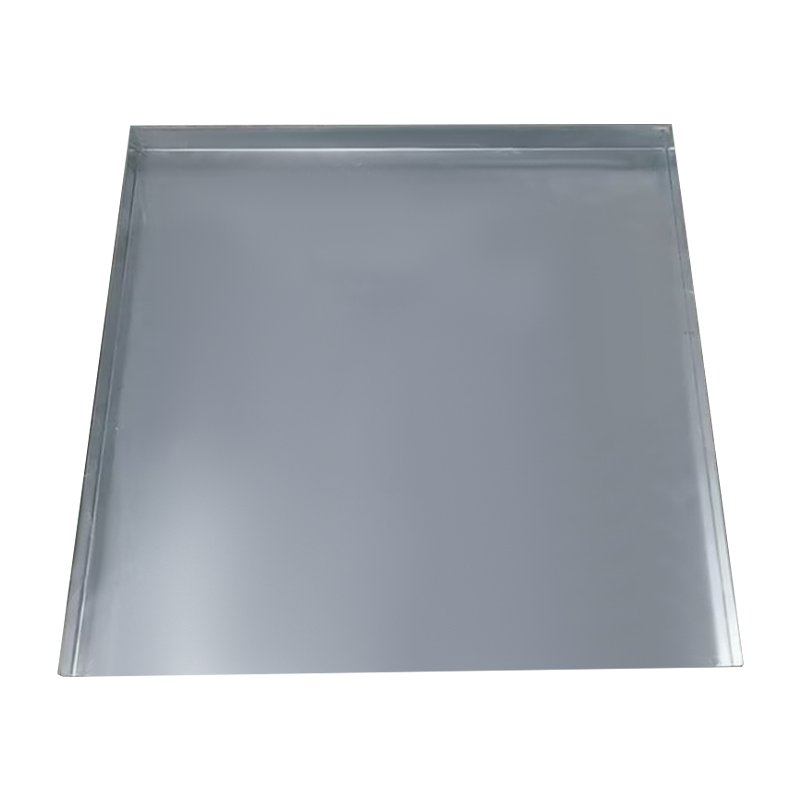 Replacement Galvanized Steel HVAC Condensate Drain PanA durable steel drain pan ideal for replacing cracked or warped OEM pans. Corrosion-resistant construction and optional coatings help prevent leaks, with square shapes and custom dimensions available for residential or commercial systems.View Product →
This is where a specialized manufacturer makes the difference. Cixi Chenfeng Electric Co., Ltd. is a professional enterprise in the electrical field, focusing on the development and production of central air conditioning accessories. As a professional air conditioner parts manufacturer and sheet metal parts factory, the company specializes in the production of air conditioning accessories and other custom sheet metal parts, including brackets and water trays such as condensate drain pans. With precision manufacturing and strict quality control, Chenfeng provides solid quality assurance for air conditioning systems, whether you need standard sizes or OEM/ODM custom shapes.
For engineers and contractors sourcing replacement parts, the full range of HVAC condenser drain pan components is worth reviewing before you specify a material.
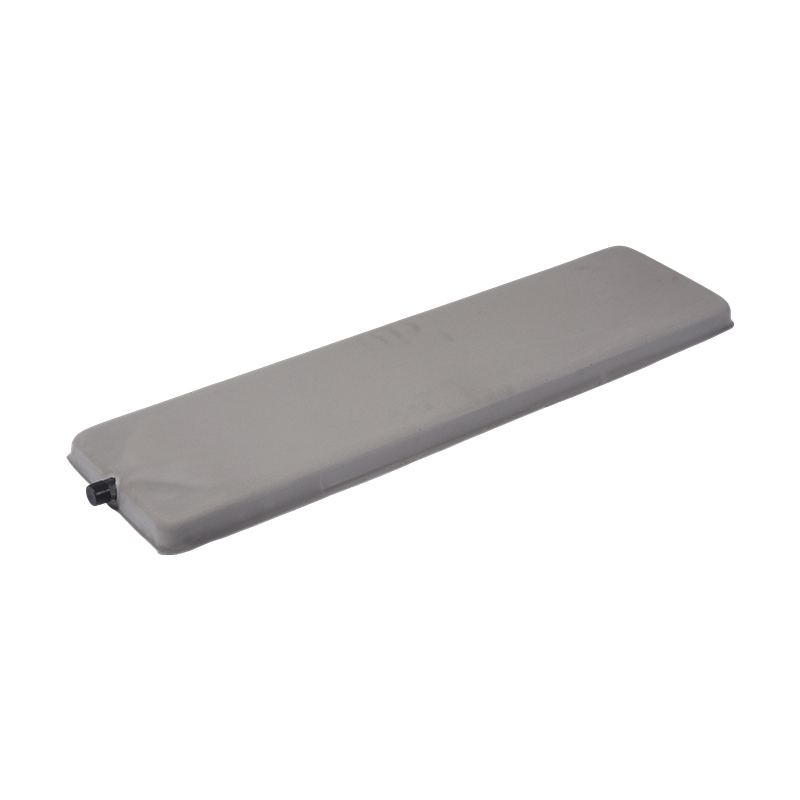 Stainless Steel Water Collection Tray for Condensate ManagementA premium stainless steel tray for efficient liquid collection and drainage, with smooth surfaces and reinforced edges. It resists corrosion and supports custom designs, making it a reliable choice for demanding HVAC or industrial applications.View Product →
Condensate Drain Line FAQ
Locate the indoor air handler or furnace, find the narrow PVC pipe beside the refrigerant lines, and trace it from the equipment to a floor drain or exterior wall.
The drain line is likely clogged, or the drain pan is cracked. Check the P-trap and the line outlet first; if both are clear, inspect the pan for rust or damage.
Flush the line with white vinegar or a mild cleaner every three months. In high-humidity climates, a monthly flush is a safer habit.
Yes. Water backs up into the pan, can short electrical components, rust the cabinet, and raise indoor humidity. Overflow switches shut the system off to prevent major damage.
Most residential drain lines are 1/2-inch or 3/4-inch PVC. Larger commercial systems use 1-inch or bigger. The drain pan outlet determines the minimum pipe size.
Yes. Every indoor mini-split head has a small drain hose that exits through an exterior wall or discharges into a condensate pump.
-
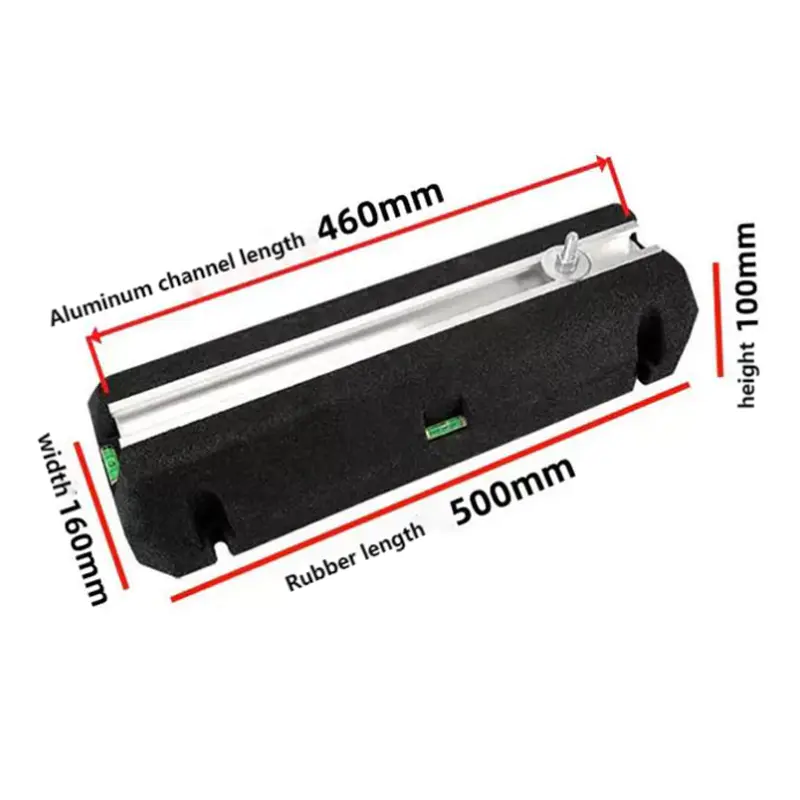
Our Rubber Vibration Isolator Pads for HVAC System...
-
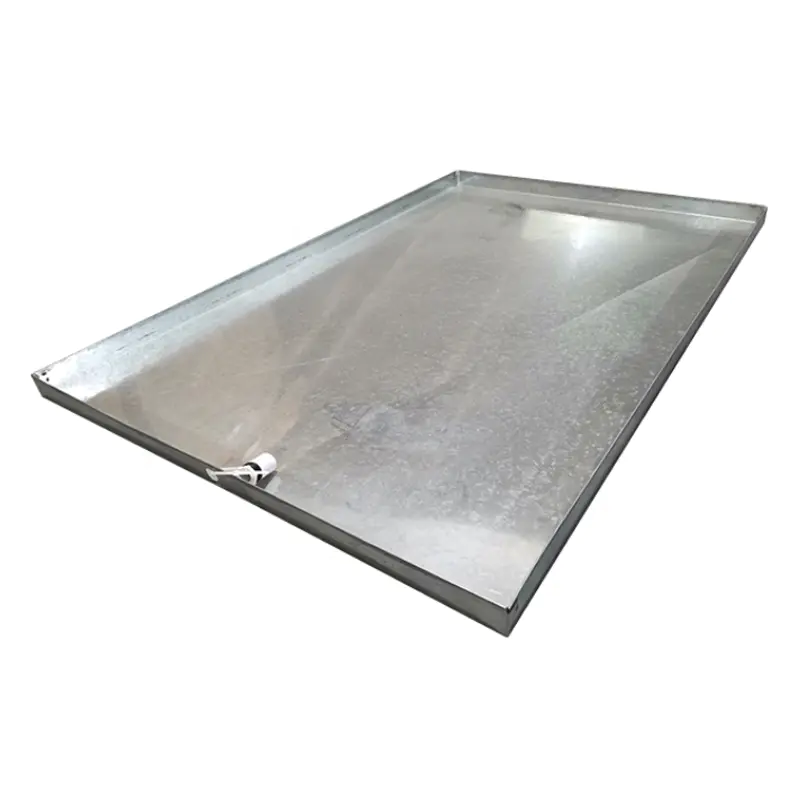
Galvanized Steel Condensate Collection Pans for Ai...
-
Custom Square Aluminum & Stainless Steel Drain...
-
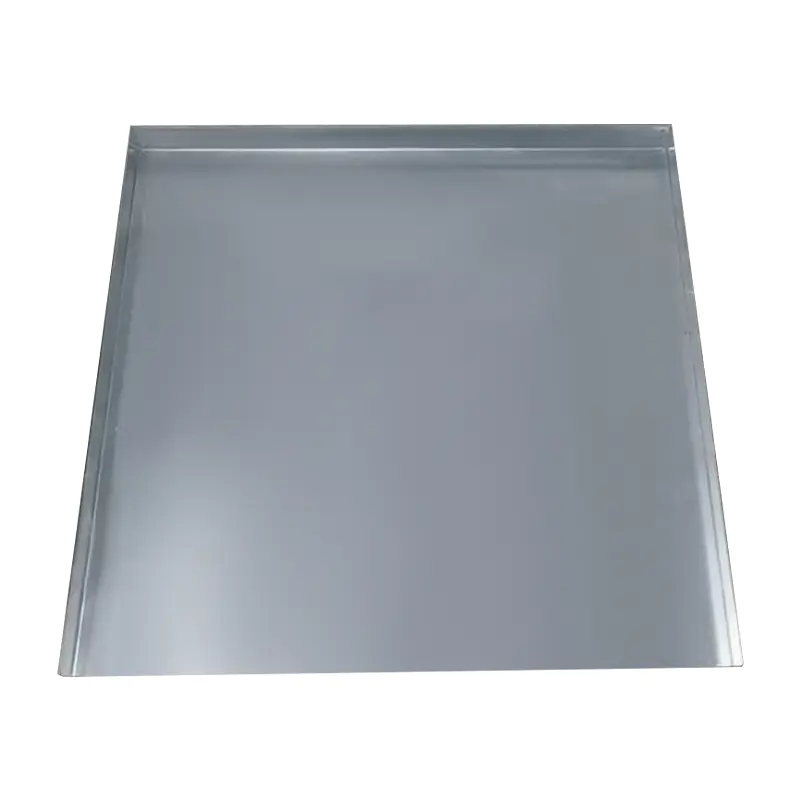
Galvanized Steel AC Drain Pans are specially desig...
-
Our Black Plastic Meat Trays for Fresh and Frozen ...
-
The Central Air Conditioning Fan Coil Unit is an e...


Contact info.
+86 15967843486 [email protected]
+86 15967843486
[email protected]
[email protected]
+86 15967843486
[email protected]
 +86-0574-63301198
 +86-13706742730
 No. 939, Qiye Road, Zhouxiang Town, Cixi City, Ningbo City, Zhejiang Province, China
Get A Free Quote
Copyright © 2025 by Cixi Chenfeng Electric Co., Ltd All Rights Reserved. Air Conditioner Parts Manufacturers Stainless Steel Sheet Metal Parts Factory
