

 English
 中文简体
 русский
 Français
 عربى
 Español
Industry News
HVAC Condensate Pan Guide: Material, Slope, Sizing and Procurement Checks
A hairline crack in a stamped condensate pan rarely stays a small problem. Once water leaves the pan and enters a ceiling void, the price of the part stops mattering, because the bill is drywall, insulation and occasionally a control board. That is why the useful question for a contractor or an OEM buyer is not which pan costs least, but which pan still holds water after ten cooling seasons.
The short answer: match the material to the water chemistry, size the pan to the coil rather than to the cabinet, and insist that the slope is formed into the metal at the factory instead of being shimmed on site. Everything below explains why those three decisions carry most of the risk, and which details are worth checking before an order is placed.
Content
What an HVAC Condensate Pan Actually Has to Do
A condensate pan is a gravity device with one job: catch what the coil sheds and move it to a drain before it finds another way out. Warm return air crosses the evaporator coil, drops below its dew point, water condenses on the fins, and the drops run down the coil face into the tray underneath. There is no pump in the circuit unless one is added, so the pan and its outlet are the entire safety margin.
The volume is easy to underestimate. A 3-ton system running at full latent load condenses roughly four litres of water an hour, which follows from dividing latent capacity by the latent heat of vaporisation. Four litres an hour will fill a shallow tray quickly if the outlet is partly blocked, which is why pan depth and slope matter more than most buyers expect.
Location decides the consequence of failure. In a closet or a ceiling void, the pan sits inside a secondary tray with its own drain, so a primary leak is caught before it reaches the building fabric. In a garage or a mechanical room, that redundancy is often skipped, which is exactly where a corroded pan does the most visible damage.
The Slope and Sizing Numbers That Decide the Design
Most of the specification is already fixed by code, and the numbers are worth memorising because they remove arguments later. Under the International Mechanical Code, a pan must slope not less than 1/8 inch per foot toward the drain, must be at least 3 inches larger than the unit or coil on every side, and must be at least 1.5 inches deep. A sloped pan that is flat in practice fails the same way a blocked drain does, only more slowly.
Fall adds up faster than people assume on long horizontal runs, and a pan that is level at the factory usually means installers pack shims under one corner. That works until the unit is serviced and the shims are lost.
The trap is the other number worth writing into the drawing. Its height must offset the fan's negative static pressure at the pan, and a practical rule is one inch of trap depth for every inch of water column, with a minimum of two to three inches. A trap that is too shallow gets pulled dry, and the pan then drains air instead of water.
Material and Gauge: Where Most Pans Fail
Corrosion, not mechanical damage, ends the life of most pans. The water inside is not neutral: condensate from cooling coils is mildly acidic and carries dissolved oxygen, and in condensing appliances the flue-gas condensate can sit around pH 3.5 to 4.5, which attacks zinc and aluminium quickly. The material choice therefore follows the application, not the price list.
| Material | Corrosion behaviour | Typical thickness | Best fit | Watch-outs |
|---|---|---|---|---|
| 304 stainless steel | Resists condensate and mild acids; no coating to scratch | 0.8 to 1.2 mm (20 to 22 ga) | Long-life units, coastal air, condensing systems | Higher cost; weld quality decides the result |
| Galvanized steel | Zinc protects until cut or scratched, then edge rust starts | 1.0 to 1.5 mm (18 to 20 ga) | Volume OEM pans, dry indoor climates | Acidic condensate consumes the zinc coating |
| Aluminium | Natural oxide layer, light and easy to form | 1.0 to 1.5 mm | Lightweight retrofit trays | Galvanic corrosion where it touches copper or brass |
| Cold-rolled steel, coated | Coating is the only barrier; chips become rust sites | 1.0 to 1.2 mm | Cost-driven indoor units | Coating damage at seams and the drain boss |
Gauge is the second half of that decision. A pan thinner than about 0.8 mm flexes when it is lifted with water inside, and every flex works the seams. For trays wider than roughly 600 mm, moving up to 1.0 mm keeps the formed slope flat under the weight of the coil and the service technician leaning over it.
 Stainless Steel HVAC Condensate Drain PanFor wider trays where thickness affects flex and seams, this stainless pan offers custom gauge, drainage slope and outlets.View Product →
Fabrication Details Worth Checking Before You Order
Two pans can share a drawing and still behave differently in service, because the difference sits in the process. Buyers who visit the factory floor usually come back with three questions, and they are the right three.
Seams and the drain boss
Folded and sealed corners are faster to produce; welded corners hold up better where a pan is washed down or exposed to acidic condensate. The drain boss is the single most common leak point, so check that the thread is rolled rather than cut, that the boss is welded on both faces, and that every batch is water-tested at fill height rather than only inspected by eye.
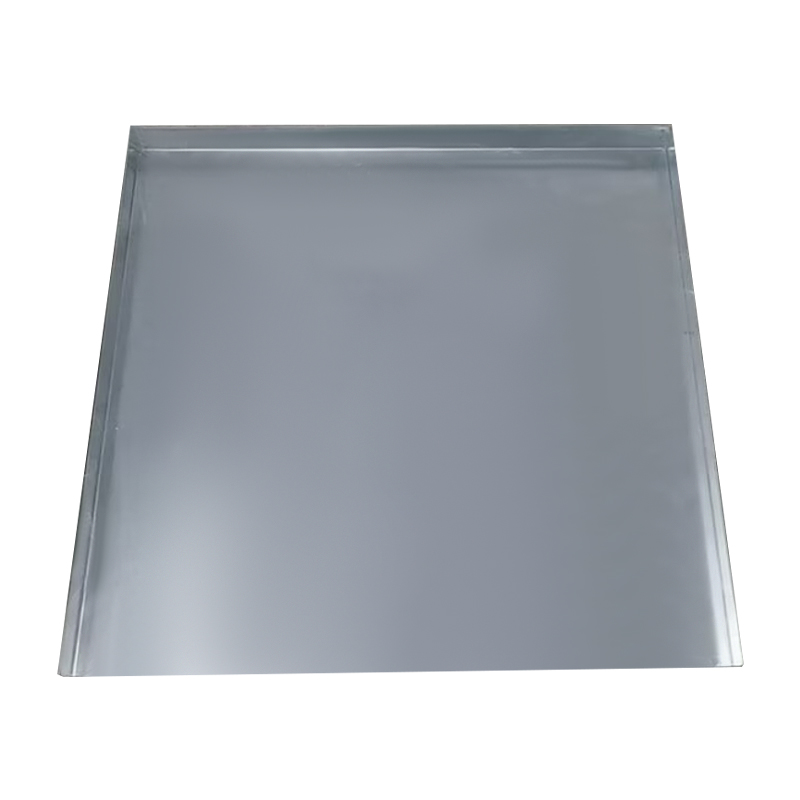 Galvanized Steel AC Drain PanA square galvanized tray for HVAC condensate, customizable in size and coating, suited to standard air handlers and tight installations.View Product →
Shape and fit inside the cabinet
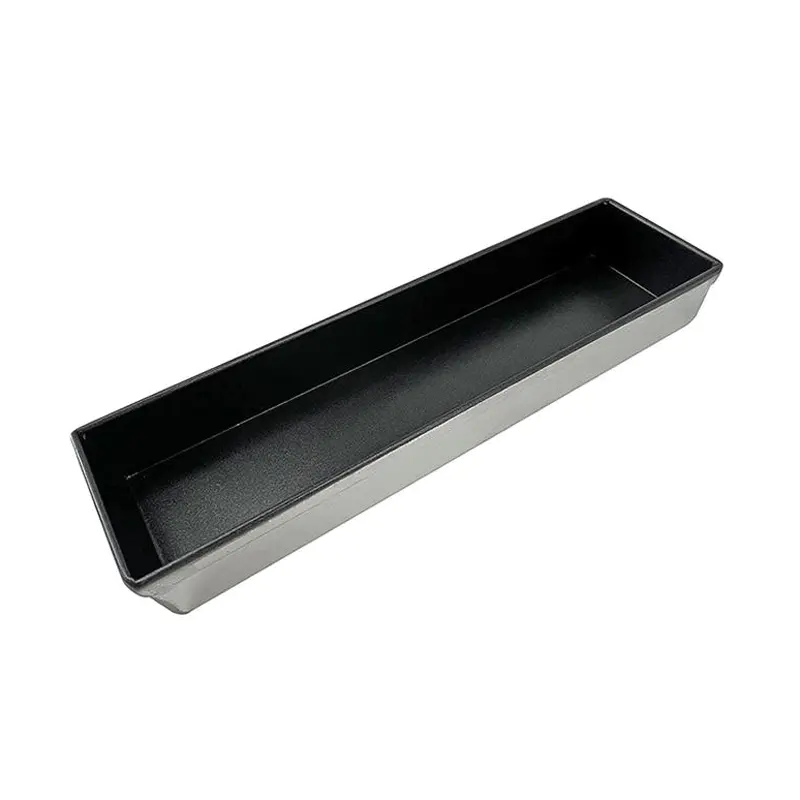
In a tight fan-coil cabinet, a V-shaped or square tray may be the only geometry that clears the coil connections while still catching the whole drain path. Rectangular trays suit standard air handlers; suspended and V-shaped designs exist for retrofits where the original pan cannot be removed without cutting ductwork.
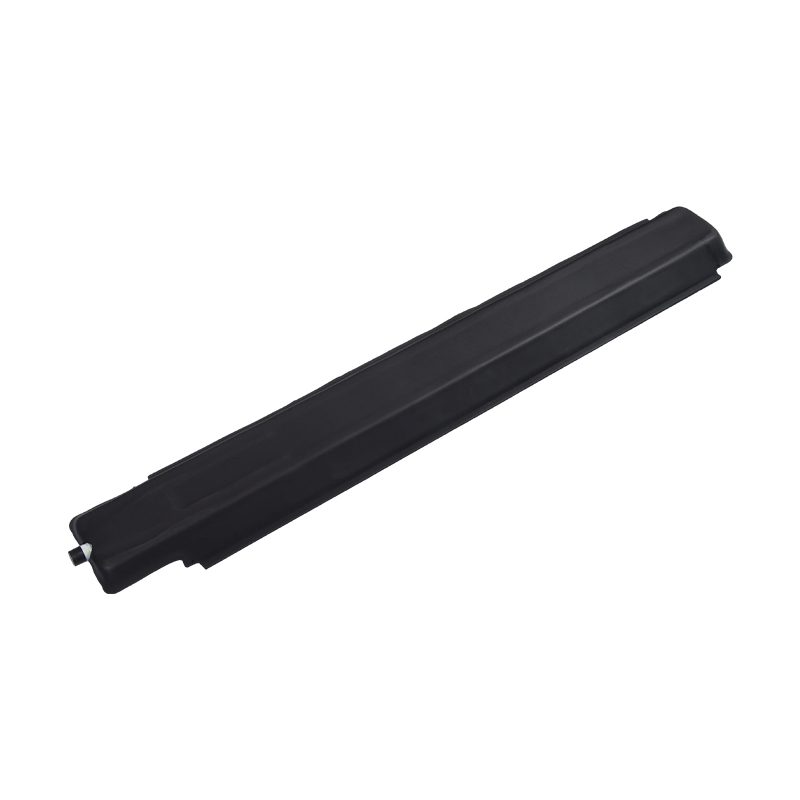 V-Shaped HVAC Condensate Collection TrayFor fan-coil cabinets where geometry clears coil connections, this V-shaped tray guides condensate by gravity and supports custom outlet positions.View Product →
Insulation and sweating
Cold metal in a humid closet sweats on the outside, and that condensation is often mistaken for a leaking pan. Foil-faced insulation bonded to the pan exterior solves it, but only if the edges are sealed properly and the drain boss is insulated around its full circumference.
A Procurement Checklist for Condensate Pans
- Confirm the pan is at least 3 inches larger than the coil on all four sides and at least 1.5 inches deep.
- Ask for the formed slope on the drawing, not a verbal promise: 1/8 inch per foot toward the outlet.
- State the condensate chemistry; condensing appliances and coastal sites need a corrosion upgrade.
- Request the drain boss thread standard, the boss position, and the leak-test pressure and duration.
- Check that the pan leaves the factory flat and square, since a twisted pan cannot be sloped on site.
- Agree on insulation, edge sealing and packaging, because transit dents become leak sites in the field.
Cixi Chenfeng Electric Co., Ltd. is a professional enterprise in the electrical field, focused on the development and production of central air conditioning accessories. As an air conditioner parts manufacturer and sheet metal parts factory, the company combines technical strength, reliable product quality and a solid market reputation to hold an important position in the central air conditioning accessories industry. Production covers air conditioning accessories and other custom sheet metal parts, including brackets and water trays, supported by precision manufacturing and strict quality control that give air conditioning systems dependable quality assurance.
For buyers comparing formed trays, the HVAC drain pan range shows the material and shape options side by side, and you can read more about our factory and its sheet metal capability before requesting samples.
Frequently Asked Questions About HVAC Condensate Pans
-
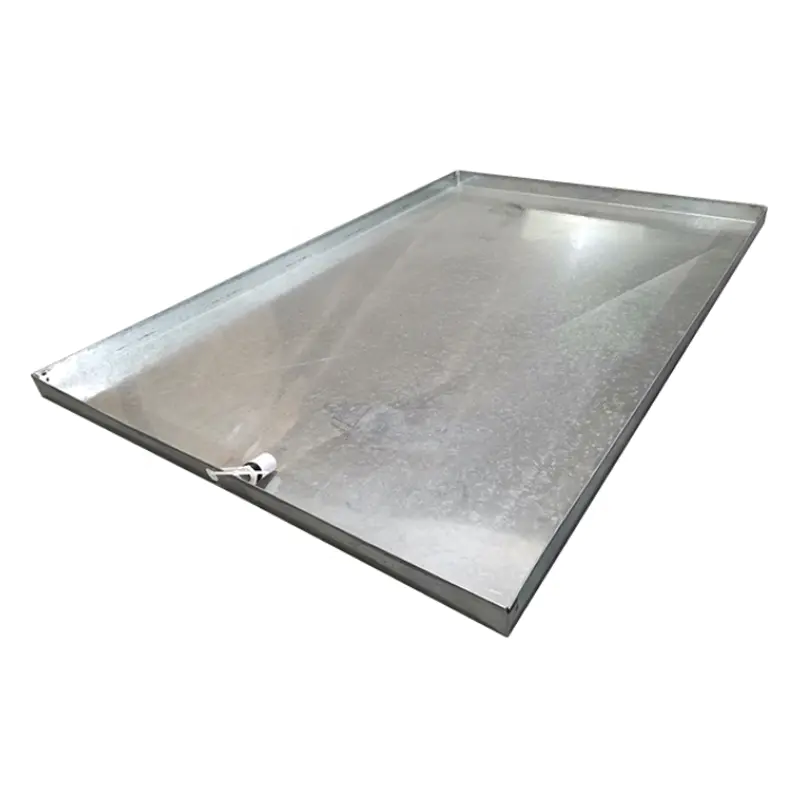
Galvanized Steel Condensate Collection Pans for Ai...
-
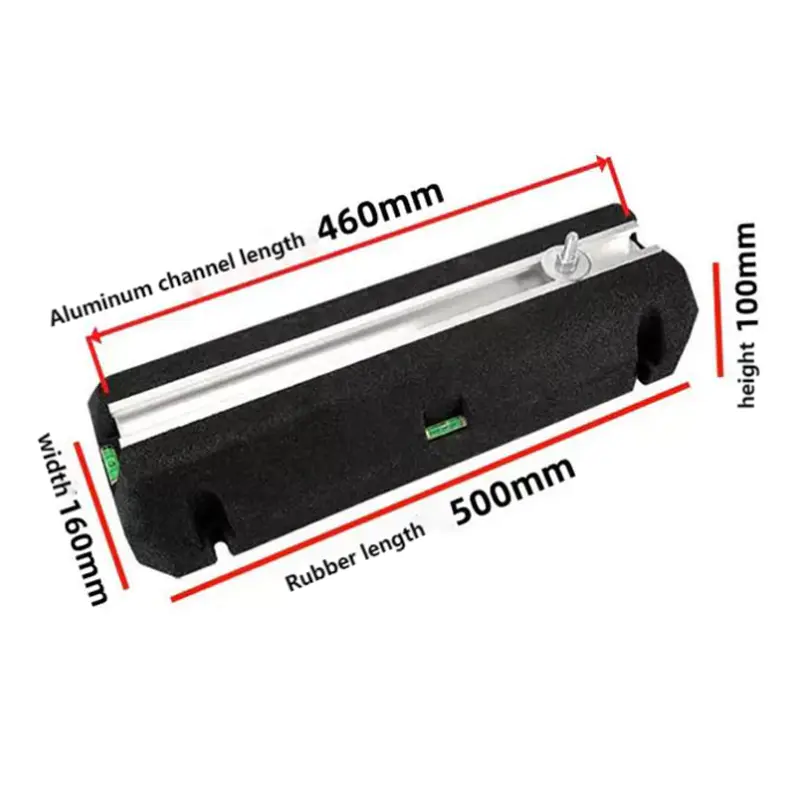
Our Rubber Vibration Isolator Pads for HVAC System...
-
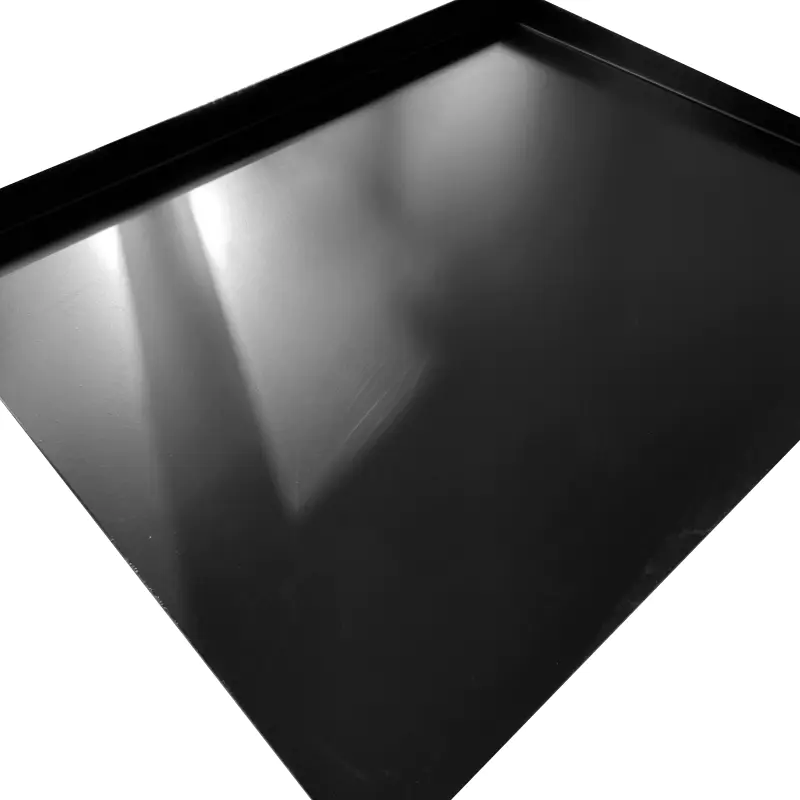
Custom Square Aluminum & Stainless Steel Drain...
-
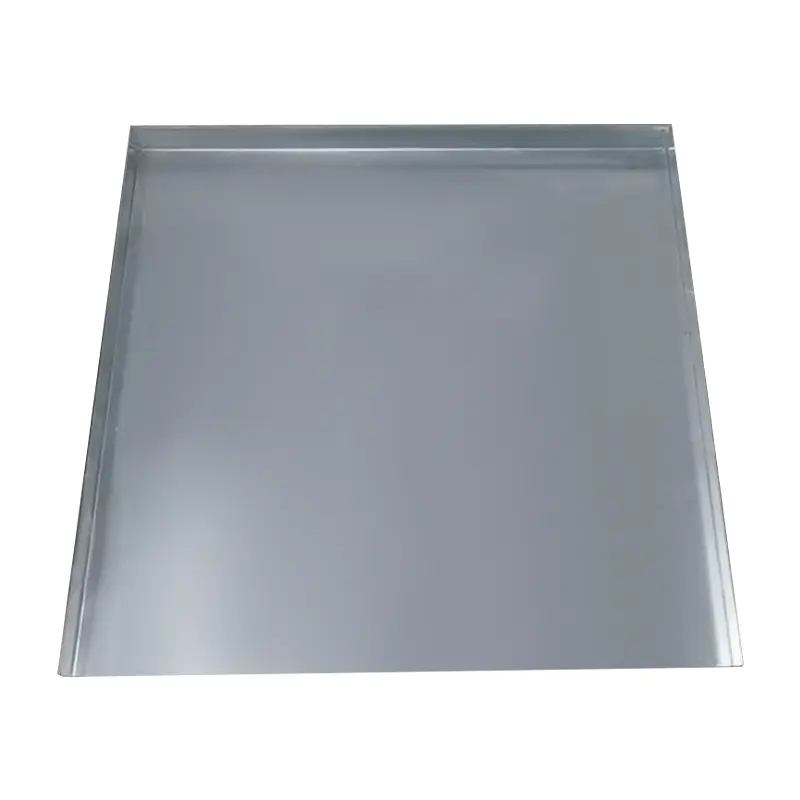
Galvanized Steel AC Drain Pans are specially desig...
-
Our Stainless Steel Meat Trays for Fresh and Froze...
-
Detailed Description: Crafted with pure handwoven ...


Contact info.
+86 17398066504 [email protected]
+86 13248153410
[email protected]
 +86-0574-63301198
 +86 13248153410
 No. 939, Qiye Road, Zhouxiang Town, Cixi City, Ningbo City, Zhejiang Province, China
Hot Products
Stainless Steel Equipment & Folding BBQ Grill Series Air Conditioner Drain Pan And Outdoor Unit Bracket Ventilation FansGet A Free Quote
Copyright © 2025 by Cixi Chenfeng Electric Co., Ltd All Rights Reserved. Air Conditioner Parts Manufacturers Stainless Steel Sheet Metal Parts Factory
