

 English
  中文简体
中文简体  русский
  Français
  عربى
عربى  Español
Industry News
The Complete AC Condensate Drain Line Diagram: Parts, Routing, Slope, and Maintenance
Water coming from an air conditioner is not the biggest problem; water trapped inside is. The AC condensate drain line diagram is the drawing that tells you where that water should go. Read the diagram, understand the flow, and most drain-related failures become preventable. This guide breaks down the line part by part, explains slope and trap design, and shows how the drain pan connects everything together.
Content
- 1 What Is an AC Condensate Drain Line?
- 2 Reading the AC Condensate Drain Line Diagram
- 3 Slope, Trap, and Vent: Three Details That Make or Break Drainage
- 4 Drain Pan Material Selection Affects the Whole Line
- 5 Common Drain Line Problems and How to Find Them
- 6 Why the Manufacturer of the Drain Pan Matters
- 7 Frequently Asked Questions
What Is an AC Condensate Drain Line?
The drain line is part of the condensate removal system. As warm indoor air passes over the cold evaporator coil, moisture condenses on the coil surface. That water falls into a drain pan and then travels through a sloped pipe to a safe discharge point. If any part of that path is blocked, water moves back into the equipment, overflows the pan, or runs down the wall.
| Component | Role |
|---|---|
| Evaporator coil | Chills air and produces condensate |
| Drain pan | Catches water below the coil |
| Drain outlet | Connects the pan to the drain line |
| P-trap | Blocks air movement and helps water flow |
| Drain line | Sloped pipe that transports water |
| Vent | Prevents siphoning and balances pressure |
| Termination | Carries water to a drain or exterior point |
The drain pan is the starting point. If it is too thin, rusts through, or does not fit cleanly under the coil, the rest of the diagram does not matter. A correctly sized and well-sealed condensate tray keeps the first part of the line clean and dry enough to work properly.
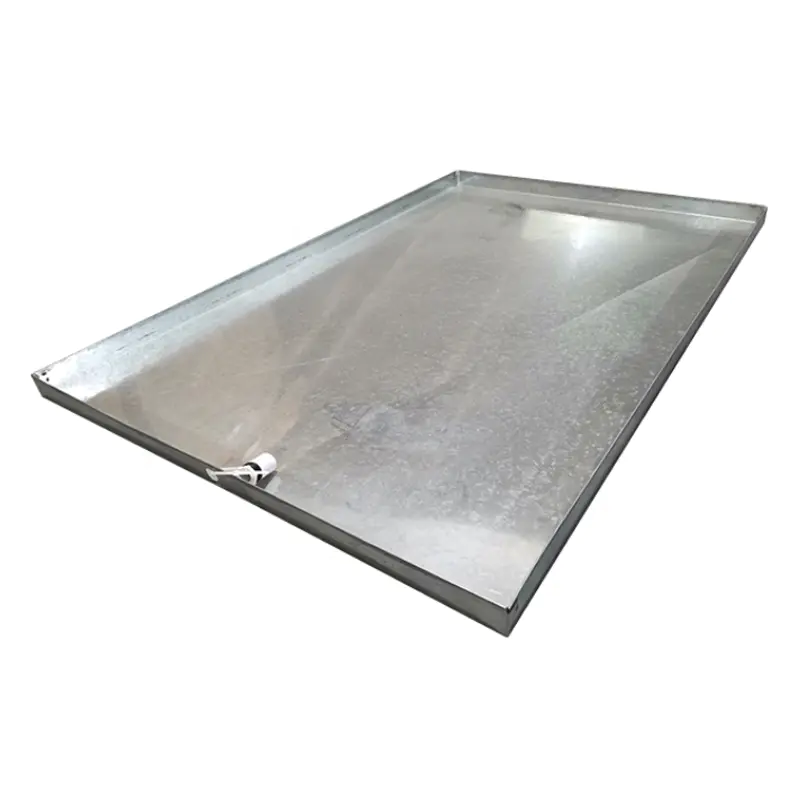
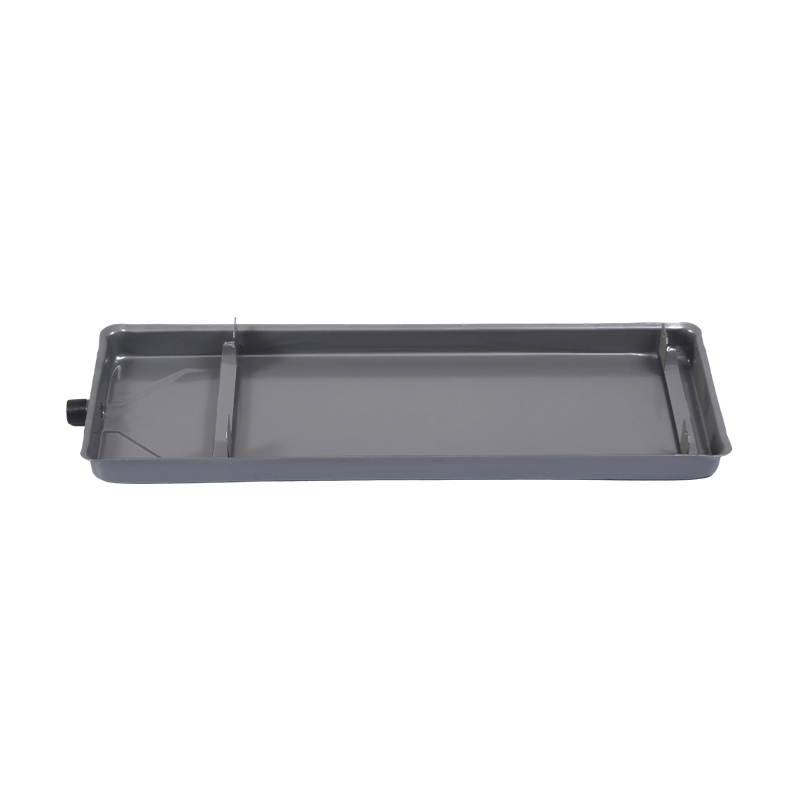 Customizable Galvanized Steel Air Conditioner Condensate TrayThis corrosion-resistant sheet metal tray collects and drains evaporator condensate. Its sloped design, anti-clogging grooves, and customization options ensure a reliable seal and fit under the coil, supporting the downstream drain line.View Product →
Reading the AC Condensate Drain Line Diagram
Start at the evaporator coil and trace the flow: coil, drain pan, outlet, P-trap, vent, drain line, then termination. The diagram below shows a typical installed layout for a residential or light commercial air conditioner.
The most important detail in this diagram is continuity. Water should flow through a smooth, constantly sloping path with no low spots where condensate can pool. A low spot is where algae, dirt, and slime eventually collect.
Slope, Trap, and Vent: Three Details That Make or Break Drainage
A drain line without slope is a water tank. A line without a trap can pull unconditioned air into the unit. A line without a vent can siphon the trap seal. These three details decide whether the AC condensate drain line diagram actually works in real life.
- Slope: Standard HVAC practice is at least 1/4 inch per foot for a 3/4-inch line. A 1-inch line can often work with 1/8 inch per foot, but 1/4 inch is safer. More slope is not always better; too much vertical drop can make the water move too fast and carry debris into the trap.
- Trap: A P-trap keeps the blower from pulling air through the drain. On negative-pressure coils, a trap is required to keep condensate moving out instead of blowing out. On positive-pressure units, a trap still blocks insects and odor.
- Vent: A vent after the trap prevents pressure lock and siphoning. It lets the line drain evenly and reduces the chance of gurgling sounds or standing water in the pipe.
Engineers often estimate condensate flow from the cooling capacity of the system. At high humidity, a 3-ton system can produce roughly 1.5 gallons of condensate per hour. That is enough water to expose a weak slope or an undersized line quickly.
Drain Pan Material Selection Affects the Whole Line
The drain pan is the first surface that touches condensate. If it rusts, cracks, or warps, the line behind it cannot save the installation. That is why material selection should be a purchasing decision, not an afterthought.
| Material | Corrosion resistance | Typical strength | Best-fit location |
|---|---|---|---|
| Galvanized steel | Good | High | Indoor units and standard split systems |
| Stainless steel | Excellent | High | Coastal, humid, and hygienic areas |
| Cold-rolled steel with coating | Fair to good | Medium | Indoor installations with fast drainage |
| Aluminum | Good | Medium | Lightweight trays and custom shapes |
Galvanized steel is a common choice for indoor condensate trays because it is strong, cost-effective, and easy to form into precise shapes. It handles normal residential and commercial humidity without constant maintenance. For a deeper comparison of dimensions, coatings, and drain locations, see our complete drain pan buying guide.
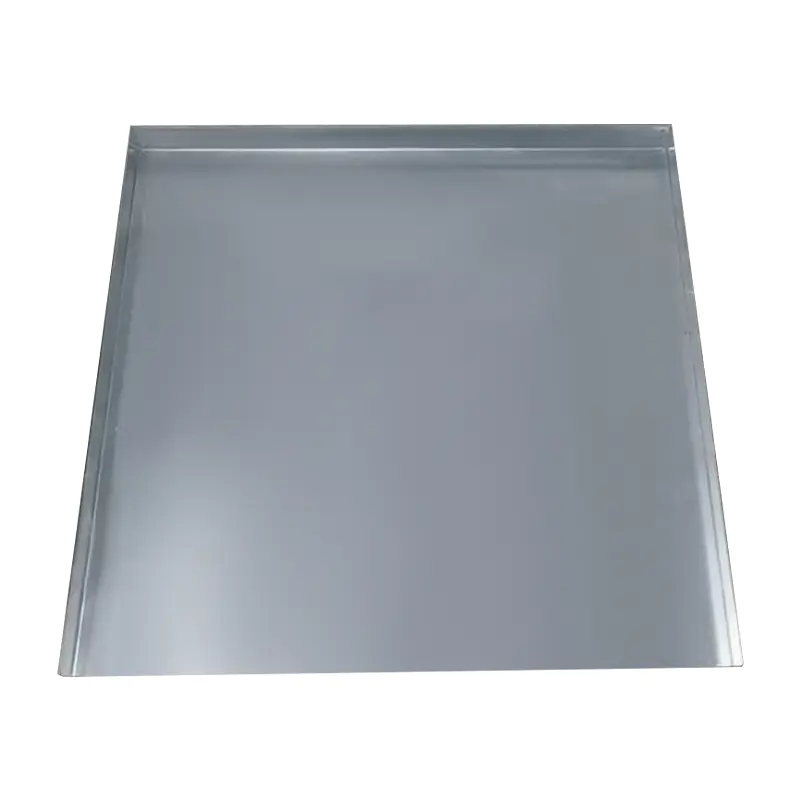
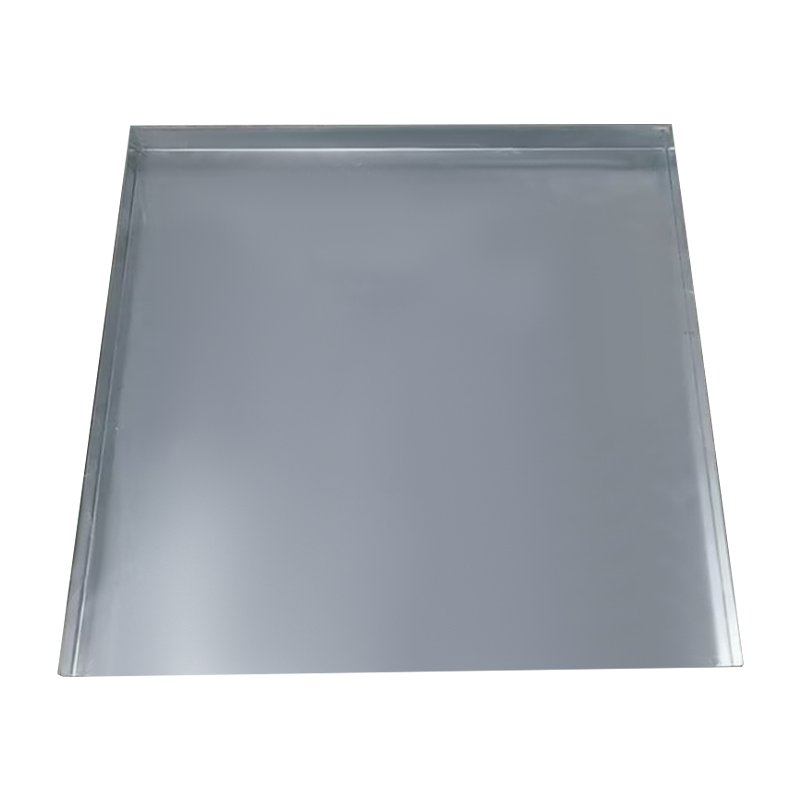 Galvanized Steel AC Drain Pan with Customizable SizesA square galvanized steel drain pan designed for efficient condensate collection in HVAC systems. It offers corrosion resistance, easy installation, and optional coatings or insulation, making it a practical choice for residential and commercial setups.View Product →
Stainless steel drain pans are preferred where water sits for long periods, where cleaning chemicals are used, or where the unit needs to survive high humidity for many years. The material resists corrosion and keeps the underside cleaner, which reduces maintenance frequency.
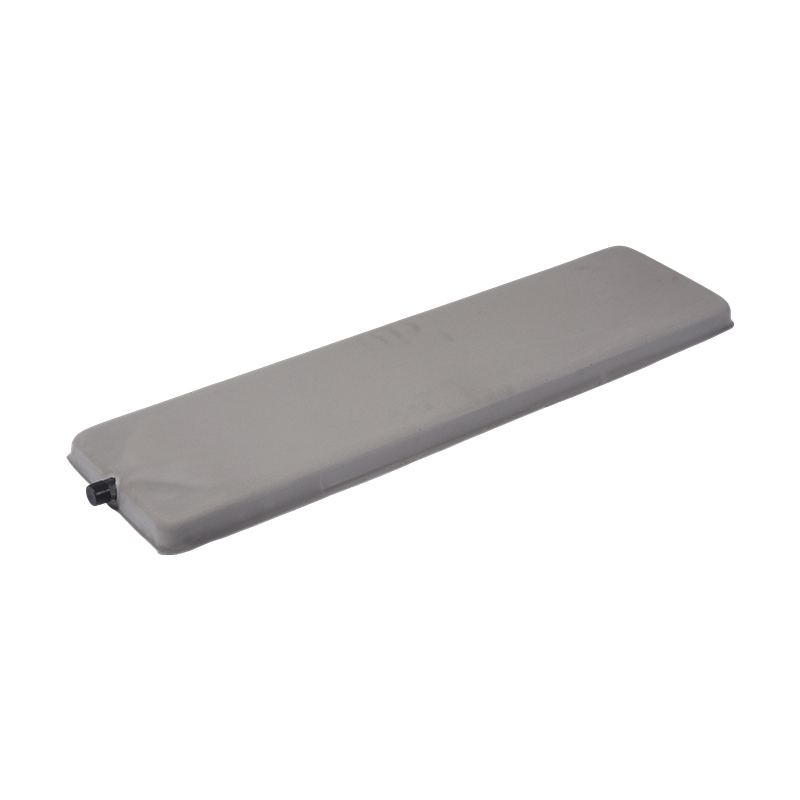 Stainless Steel Water Collection Tray for HVAC and Industrial UseThis rust-resistant stainless steel tray features an integrated structure and efficient drainage slope to prevent water accumulation. Suitable for demanding environments, it is customizable and ideal for long-term durability under high humidity or chemical exposure.View Product →
Common Drain Line Problems and How to Find Them
Most drain problems show warning signs before water appears in the room: a gurgling sound, a musty smell, reduced cooling, or a small drip from the indoor unit. When you look at the AC condensate drain line diagram, check these points in order.
- Check the drain pan outlet. Sediment builds up at the transition between the pan and the pipe. Even a clean-looking pan can be blocked at the outlet fitting.
- Check the trap. If the trap is dry or cracked, air leaks into the line and stops water from moving. Refill the trap with water and listen for a smooth flow.
- Check the vent. A blocked vent creates negative pressure and leaves water standing in the line. Clear the vent with a thin brush or compressed air.
- Check the termination point. Leaves, insects, and dust can close off the exit even when the inside of the line is clear.
Routine maintenance is simple: pour a cup of white vinegar through the access tee every few weeks, flush with water, and verify slope. Avoid damaging chemical cleaners that can crack PVC or corrode metal pans over time.
Why the Manufacturer of the Drain Pan Matters
The drain line diagram can be perfect, but a poorly made pan will still leak. Sheet metal tolerance, flange design, hole placement, and coating quality determine whether water stays in the pan or finds a way out. For this reason, choosing a supplier with actual metalworking capability is part of designing a reliable drainage system.
Cixi Chenfeng Electric Co.,Ltd. is a professional enterprise in the electrical field, focusing on the development and production of central air conditioning accessories. As a professional air conditioner parts manufacturer and sheet metal parts factory, the company specializes in condensate drain pans, mounting brackets, and custom sheet metal components. With precision manufacturing and strict quality control, the company provides the structural reliability that keeps a condensate drain diagram accurate from the first day of installation to years later.
Buyers who work with a dedicated sheet metal supplier can also confirm material thickness, edge rolling, drain hole position, and powder coating before volume production. This is especially important for custom HVAC systems that need non-standard pan lengths or complex outlet locations. You can see the equipment and production layout on our factory overview page.
Frequently Asked Questions
Q1. How much slope should an AC condensate drain line have?
A 3/4-inch drain line should have at least 1/4 inch of slope per foot. A 1-inch line can sometimes work with 1/8 inch per foot, but 1/4 inch per foot is still the safer standard.
Q2. Why does an AC condensate drain need a P-trap?
A P-trap keeps the blower from pulling air through the drain. Without it, water can stay stranded in the line, and the system may produce gurgling sounds or odor.
Q3. What causes a drain pan to overflow when the line is not clogged?
The most likely causes are a broken trap seal, a blocked vent, or a pan that has rusted or cracked. Check the trap and vent before assuming the line is blocked.
Q4. Can a custom drain pan replace a cracked OEM pan?
Yes, as long as the depth, flange style, and drain outlet position match the unit. A precision-made galvanized or stainless steel pan is often more durable than a thin original part.
-
Galvanized Steel AC Drain Pans are specially desig...
-
Galvanized Steel Condensate Collection Pans for Ai...
-
Our Rubber Vibration Isolator Pads for HVAC System...
-
Custom Square Aluminum & Stainless Steel Drain...
-
Our Black Plastic Meat Trays for Fresh and Frozen ...
-
The Stainless Steel Wall-Mounted Bracket is a dura...

Contact info.
+86 15967843486 [email protected]
+86 15967843486
[email protected]
[email protected]
+86 15967843486
[email protected]
 +86-0574-63301198
 +86-13706742730
 No. 939, Qiye Road, Zhouxiang Town, Cixi City, Ningbo City, Zhejiang Province, China
Get A Free Quote
Copyright © 2025 by Cixi Chenfeng Electric Co., Ltd All Rights Reserved. Air Conditioner Parts Manufacturers Stainless Steel Sheet Metal Parts Factory
