

 English
  中文简体
中文简体  русский
  Français
  عربى
عربى  Español
Industry News
How to Maintain Your AC Drain Line – Step-by-Step Guide to Prevent Clogs
If water pools around your indoor air handler or a musty smell drifts from the vents, your AC drain line is likely clogged. Ignoring that clog can send overflow into your ceiling, short electrical components, or shut down the entire system. Regular maintenance isn't optional—it's the cheapest insurance against a $500+ service call. Here's exactly how to keep that condensate line clear, what tools actually work, and when to replace worn parts.
Content
Why the Drain Line Clogs—and the First Signs You're Already Past Due
A condensate drain line transports moisture pulled from humid air out of your home. Over a cooling season, dust, mold spores, and algae accumulate inside the PVC pipe, forming a slimy biofilm. In warmer climates, this biofilm can completely block a ¾-inch line in as little as three months. The chart below ranks the most common clog contributors based on HVAC industry reports.
Once a blockage forms, you'll notice one or more of these warning signs:
| Symptom | Likely Cause | Urgency |
|---|---|---|
| Water pooling near air handler | Drain line fully blocked | Immediate |
| Musty odor from vents | Bioplfilm in pan or line | Within days |
| AC shuts off before set temp | Float switch triggered | Immediate |
| Visible algae around drain opening | Partial blockage forming | Within week |
4-Step Maintenance Routine (with Tools You Probably Already Own)
You don't need specialty chemicals. White vinegar and a wet/dry vacuum handle 90% of household clogs. Here's the sequence that central air conditioning accessory manufacturers like Cixi Chenfeng Electric Co., Ltd. recommend for field service technicians.
Step 1 – Kill Power and Inspect the Drain Pan
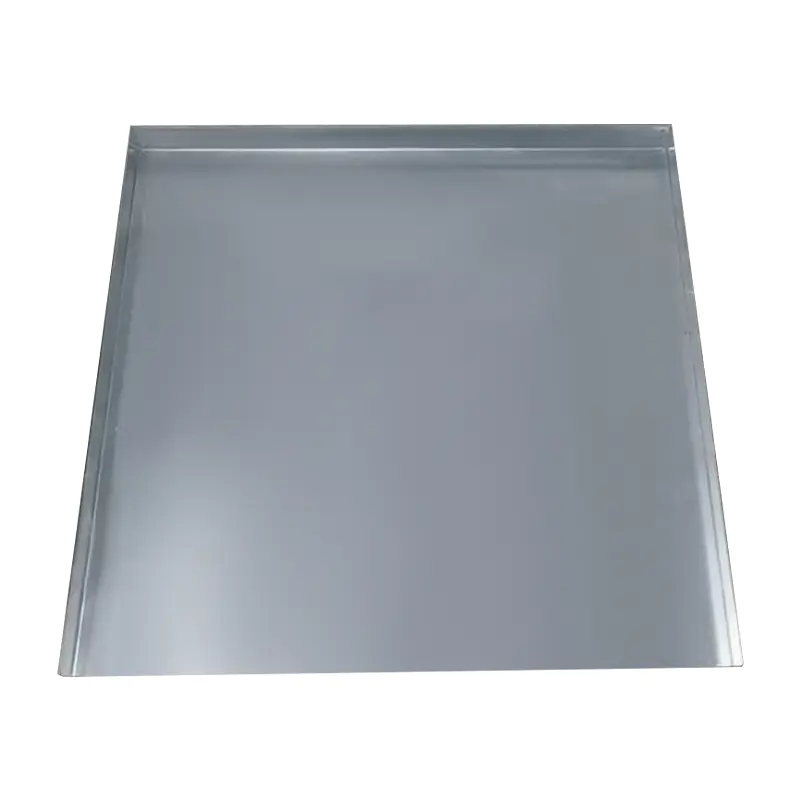
Turn off the AC at the thermostat and the disconnect switch near the outdoor unit. Remove the access panel on the indoor air handler. Look at the secondary drain pan underneath—if it has standing water, your primary line is already clogged. A quality 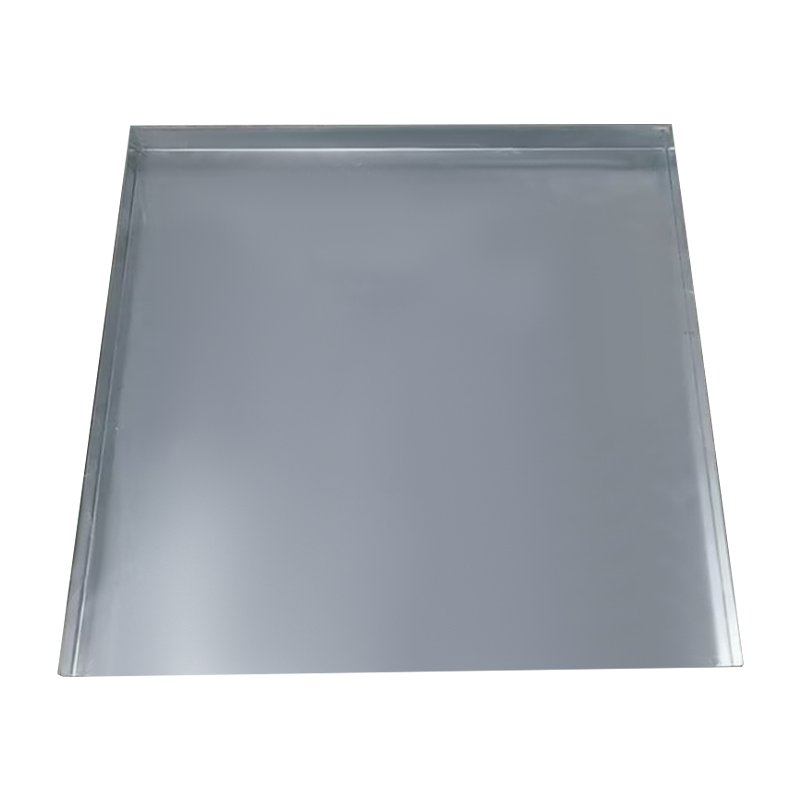 Galvanized Steel AC Drain Pan for Condensate CollectionA durable galvanized steel pan designed to collect condensate and prevent leakage. When your primary drain is clogged, this pan catches overflow, while regular vinegar flushes keep the line clear.View Product → resists corrosion longer than plastic, but even the best pan needs a clear outlet.
Step 2 – Flush with White Vinegar
Pour ½ cup of plain white vinegar directly into the condensate drain opening (the port near the evaporator coil). Wait 30 minutes. The mild acid dissolves organic slime without damaging PVC. For comparison, bleach is far more aggressive and can eat through certain pipe glues over time—industry studies show vinegar is equally effective at 90% of the concentration.
Step 3 – Vacuum the Line from the Outside End
Go outside to where the drain line exits (often near the outdoor unit or a laundry sink). Use a wet/dry vacuum adapter over the pipe opening, seal with duct tape, and run the vacuum for 2–3 minutes. You'll see foamy water and debris pull out. If nothing comes out, check for a secondary vent pipe that needs clearing.
Step 4 – Install a Cleanout Tee (Optional but Smart)
If your drain line lacks a cleanout tee, consider adding one. It makes future vinegar flushes a 30-second job rather than crawling under the unit. Professional HVAC installers often use 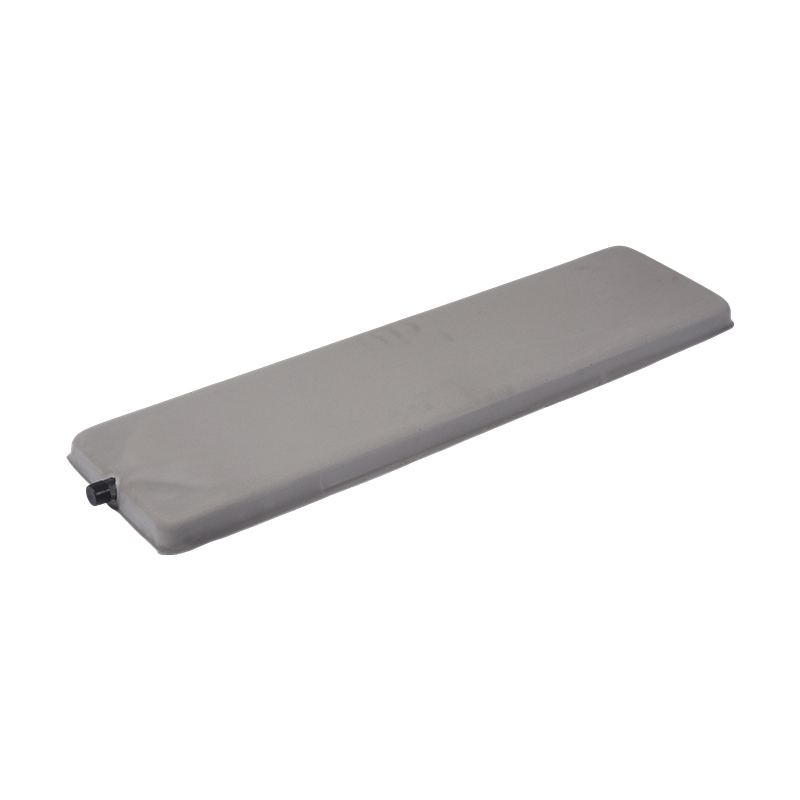 Stainless Steel Water Collection Tray for HVAC SystemsThis rust-resistant stainless steel tray provides reliable condensate collection in HVAC systems. Pairing it with accessible cleanouts simplifies maintenance, and its smooth surface supports efficient drainage.View Product → paired with accessible cleanouts for long-term reliability.
Pro tip from the factory floor: Cixi Chenfeng Electric Co., Ltd. is a professional enterprise in the electrical field, focusing on the development and production of central air conditioning accessories. As a professional air conditioner parts manufacturer and sheet metal parts factory, they emphasize that drain pans with a slight backward tilt prevent standing water, reducing clog frequency by up to 40%. Their precision-formed 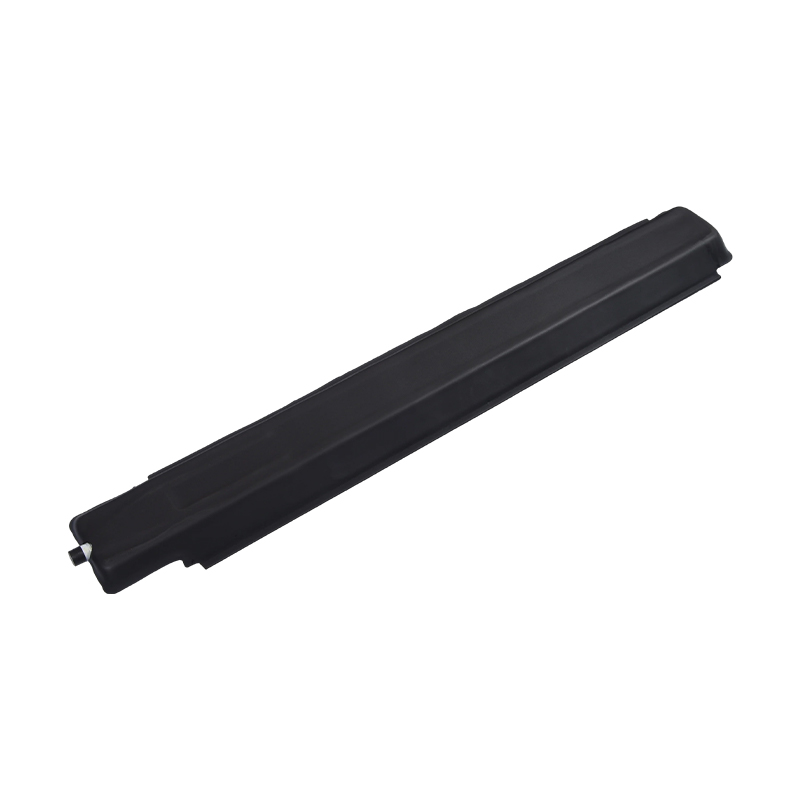 V-Shaped Water Collection Tray for Efficient DrainageWith a gravity-assisted V-groove design, this tray prevents standing water and reduces clog frequency. Ideal for tight spaces, it ensures condensate flows quickly, minimizing mold risk and the need for frequent cleaning.View Product → is designed for easy drainage in tight spaces.
Prevention Schedule That Actually Works
Waiting until you see water is too late. The data below shows the ideal maintenance frequency based on regional humidity levels.
Beyond vinegar flushes, install a condensate pan tablet (available at hardware stores) that slowly releases a cleaning agent. Change it at the start of each cooling season. And always replace a cracked or rusted pan immediately—a failed drain pan can cause more damage than any line clog.
Frequently Asked Questions
Q1: Can I use bleach instead of vinegar?
Bleach is effective but can damage PVC over time, especially at full strength. White vinegar is safer and just as effective for routine maintenance.
Q2: How often should I flush the line?
Every 1–3 months depending on humidity. In hot, humid regions, once per month is best. Low-humidity areas can stretch to every three months.
Q3: Why is water not coming out of the drain pipe?
A complete blockage is the most common cause. Try the vinegar + vacuum method first. If no water appears, the line may have a break or the evaporator coil might be frozen.
Q4: Will a clogged drain line stop my AC from cooling?
Yes. Many units have a float switch that cuts power if the drain pan reaches a high water level. Clearing the line restores cooling immediately.
-
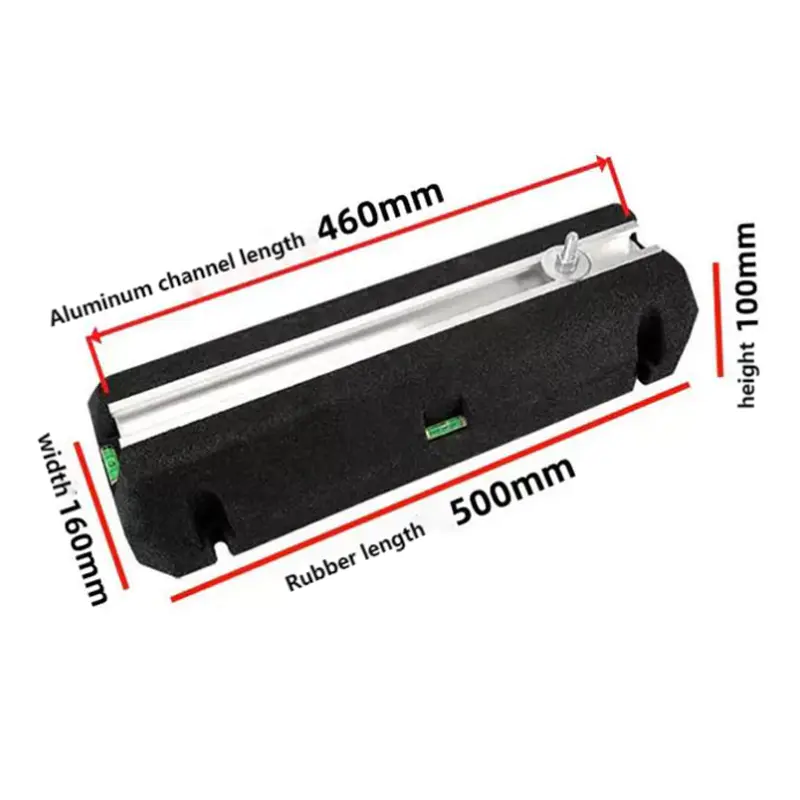
Our Rubber Vibration Isolator Pads for HVAC System...
-
Galvanized Steel AC Drain Pans are specially desig...
-
Custom Square Aluminum & Stainless Steel Drain...
-
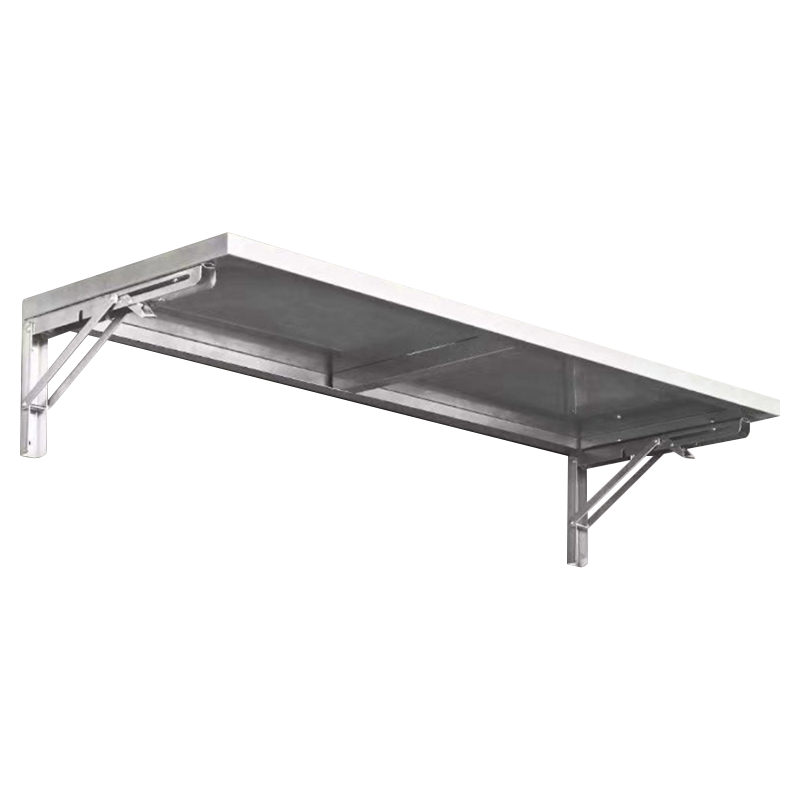
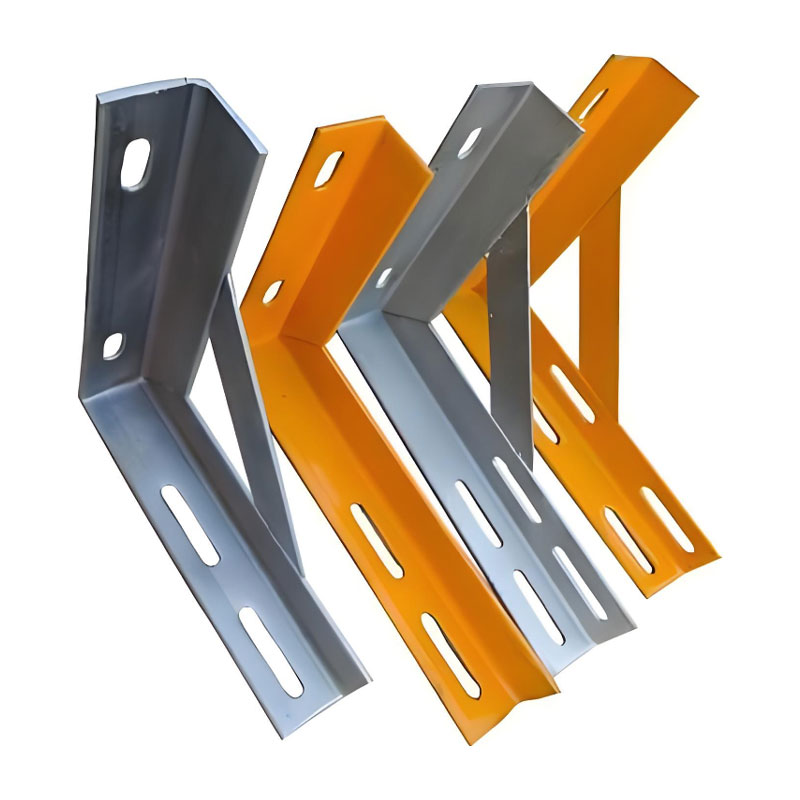
The Stainless Steel Wall-Mounted Bracket is a dura...
-
The L-Shaped Bracket for Natural Gas Pipes is a re...
-
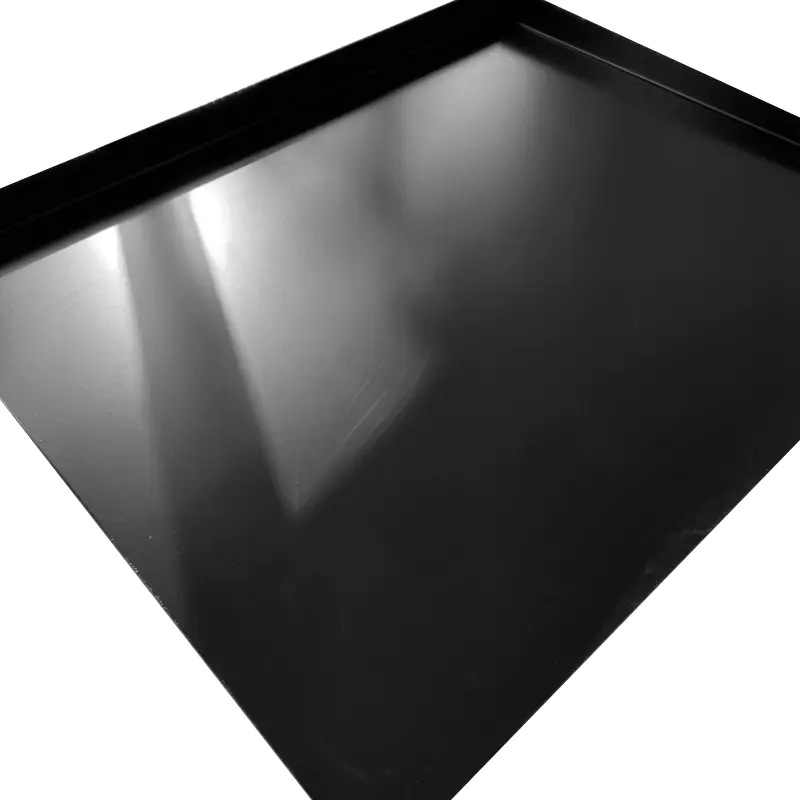
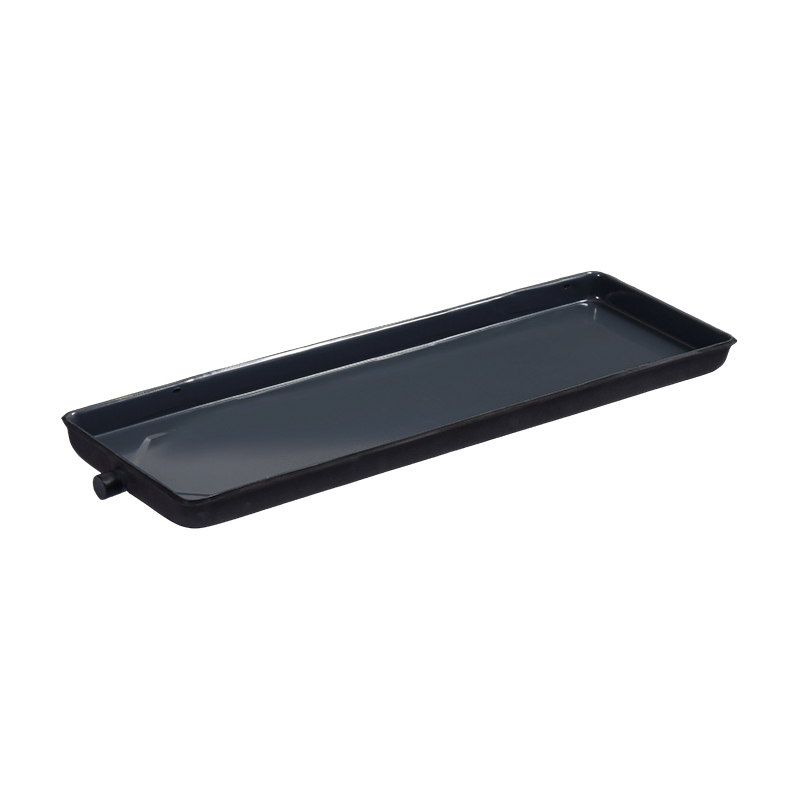
The Black Air Conditioner Drain Pan is a high-perf...

Contact info.
+86 15967843486 [email protected]
+86 15967843486
[email protected]
[email protected]
+86 15967843486
[email protected]
 +86-0574-63301198
 +86-13706742730
 No. 939, Qiye Road, Zhouxiang Town, Cixi City, Ningbo City, Zhejiang Province, China
Get A Free Quote
Copyright © 2025 by Cixi Chenfeng Electric Co., Ltd All Rights Reserved. Air Conditioner Parts Manufacturers Stainless Steel Sheet Metal Parts Factory
