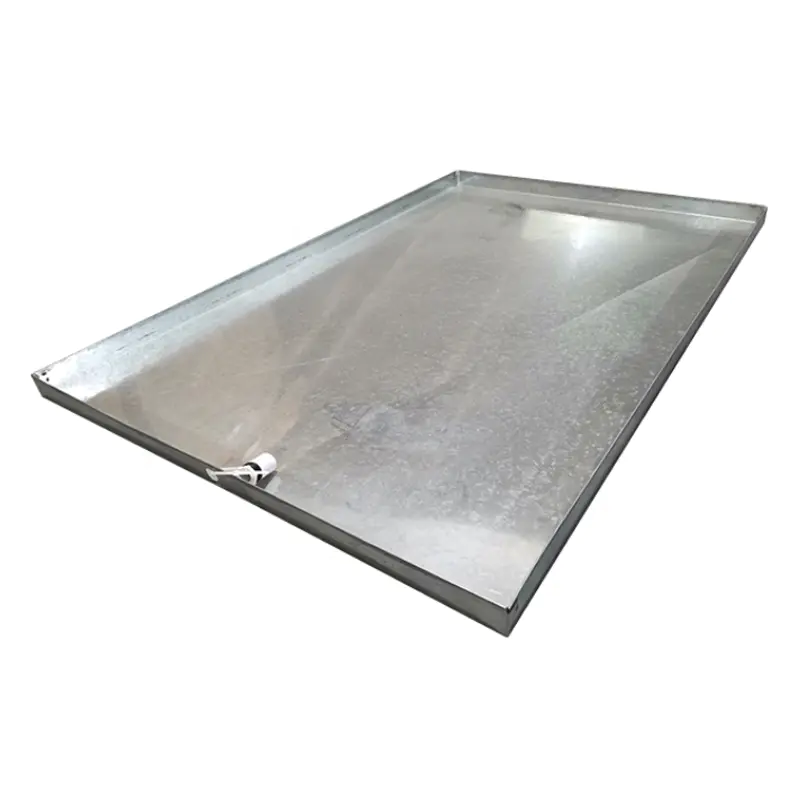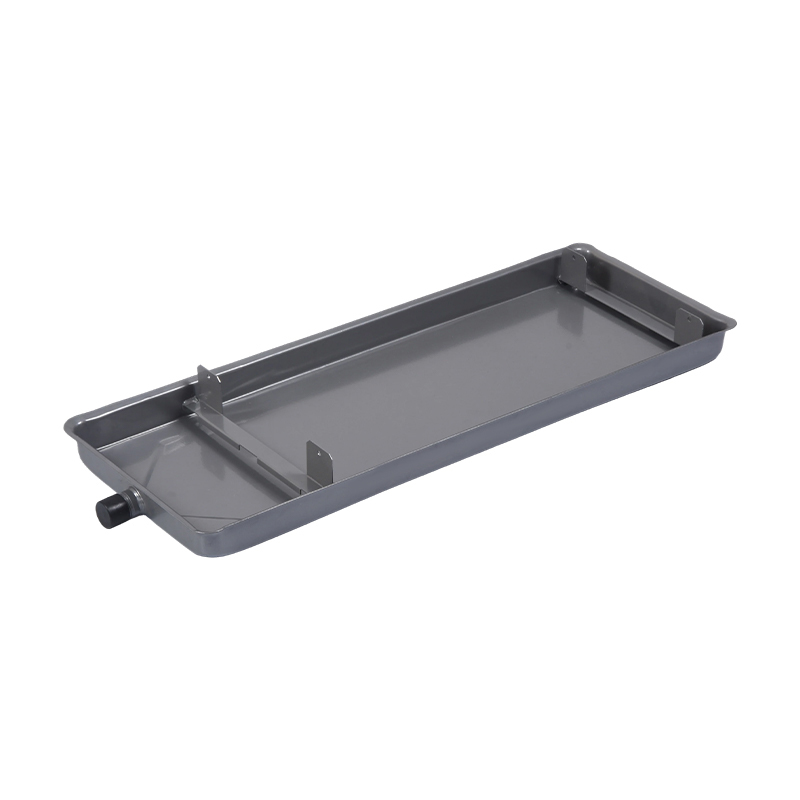
Yes — a cracked air conditioner drain pan directly affects your AC's performance, indoor air quality, and structural integrity of your home. The HVAC drain pan is not just a passive overflow tray; it is the first line of defense against water damage caused by condensation from your cooling system. When it cracks, water escapes, moisture accumulates, and a cascade of problems follows — from mold growth to compressor failure. This article explains exactly what happens, how to spot it early, and what you should do about it.
Content
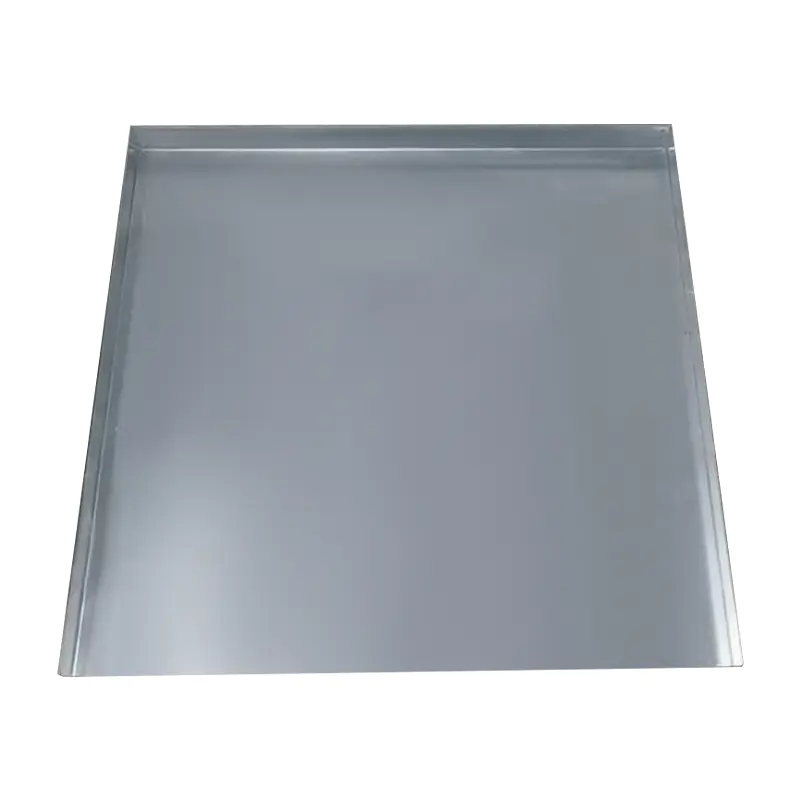
The air conditioner drain pan (also called the condensate pan) is a shallow tray positioned beneath the evaporator coil inside your air handler or indoor unit. As warm air passes over the cold evaporator coil, moisture condenses and drips into this pan. From there, the water flows through a drain line and exits the system safely.
A standard residential AC system can produce 5 to 20 gallons of condensate water per day depending on humidity levels and unit capacity. That volume demands a fully intact, functional drain pan. Even a hairline crack can allow several gallons of water to leak per day without any visible dripping — the water simply spreads beneath the unit and soaks into surrounding materials.
Most systems include two pans:
When the primary HVAC drain pan cracks, the secondary pan becomes your last barrier — and if that secondary pan also fails or fills up, water damage to your ceiling, walls, and flooring is nearly inevitable.
A cracked pan does not immediately cause your AC to stop cooling, which is why many homeowners overlook it. However, its effects on performance build rapidly:
When collected condensate escapes the pan instead of draining properly, it evaporates back into your living space. This forces your AC to work harder to dehumidify the air — raising energy consumption by an estimated 10–15% in high-humidity climates. Your system runs longer cycles without achieving the same comfort level.
Leaking water often pools near the base of the drain line, encouraging algae and mold growth that blocks the drain. A blocked drain line triggers the float switch (in systems equipped with one), shutting the unit off entirely to prevent flooding. This is one of the most common reasons an AC suddenly stops working during peak summer heat.
Persistent moisture around the coil creates an ideal environment for mold. Once mold colonizes the evaporator coil, airflow through the coil is restricted, reducing the system's heat exchange efficiency. Studies from the EPA show that mold-coated coils can reduce system efficiency by up to 21%. You pay more in energy costs while getting less cooling output.
Many air handlers contain electrical components — capacitors, control boards, blower motor terminals — positioned near or directly above the drain pan. Water escaping from a cracked air conditioner drain pan can short circuit these components. Replacing a control board alone typically costs $200–$600, not including labor.
As indoor humidity rises and the system works harder to compensate, the compressor (the most expensive part of your AC, often $1,200–$2,800 to replace) experiences prolonged load cycles. This accelerates wear and can shorten the compressor's service life by several years.
| Problem Caused by Cracked Pan | Estimated Performance Impact | Potential Repair Cost |
|---|---|---|
| Elevated indoor humidity | +10–15% energy usage | Ongoing utility cost increase |
| Clogged/backed-up drain line | System shutdown via float switch | $75–$250 (drain cleaning) |
| Mold on evaporator coil | Up to 21% efficiency loss | $100–$400 (coil cleaning) |
| Electrical component water damage | System failure / malfunction | $200–$600 (control board) |
| Compressor overload | Reduced lifespan by 3–5 years | $1,200–$2,800 (replacement) |
The chart below illustrates how AC system efficiency typically degrades over time when a cracked drain pan goes unaddressed, compared to a system with a properly maintained HVAC drain pan.
Figure 1: Projected efficiency decline over 6 months — cracked pan vs. maintained system (illustrative model based on HVAC industry data)
Catching a cracked pan early dramatically limits the damage. Watch for these indicators:
Understanding why air conditioner drain pans crack helps you prevent future failures:
Most residential drain pans are made from plastic (ABS or PVC) or galvanized steel. Plastic pans become brittle after 10–15 years of thermal cycling — repeatedly expanding in summer heat and contracting in cooler conditions. Galvanized steel pans rust through from the inside, especially if the drain line clogs periodically and water sits stagnant.
A pan that wasn't seated level during installation carries uneven water weight distribution. Over time, this stress concentrates at specific points, leading to cracks. Similarly, technicians standing on or leaning against the pan during service visits can crack thinner plastic pans.
Algae that grows in standing water produces acids that corrode both plastic and metal pan surfaces. Without regular cleaning and algaecide treatment (commonly done using diluted bleach or pan tablets), biological buildup can structurally weaken the pan material from the inside.
If you or your HVAC technician identifies a cracked air conditioner drain pan, the decision to repair or replace depends on the severity and pan material:
For small hairline cracks in plastic pans, waterproof epoxy putty or specialized HVAC drain pan sealants can provide a short-term fix. This is only recommended as a stopgap — most sealants last 6–18 months before the crack re-opens due to thermal cycling. It does not address the underlying degradation of the pan material.
Replacing the primary drain pan is the definitive solution. When selecting replacement air conditioner drain pans, consider:
If your system lacks a secondary overflow pan — common in older installations — having one added during the repair visit provides an extra safety layer and is often required by local building codes in attic-mounted systems.
Proactive maintenance significantly extends the service life of your HVAC drain pan and keeps your AC performing at peak efficiency:
| Maintenance Task | Recommended Frequency | Purpose |
|---|---|---|
| Visual pan inspection | Annually (spring) | Detect cracks, rust, or staining early |
| Drain line flush | Every 1–3 months (cooling season) | Prevent algae clogs |
| Algaecide pan tablet replacement | Every 3 months | Ongoing biological growth suppression |
| Float switch test | Annually | Verify overflow shutoff protection works |
| Full pan replacement (plastic) | Every 10–15 years | Replace aging, brittle material proactively |
Contact info.
+86-0574-63301198
+86-13706742730
[email protected]
No. 939, Qiye Road, Zhouxiang Town, Cixi City, Ningbo City, Zhejiang Province, China
Get A Free Quote
Copyright © 2025 by Cixi Chenfeng Electric Co., Ltd All Rights Reserved. Air Conditioner Parts Manufacturers Stainless Steel Sheet Metal Parts Factory