

 English
  中文简体
中文简体  русский
  Français
  عربى
عربى  Español
Industry News
Acidic Condensate in HVAC: pH Facts, Corrosion Risks, and How to Protect Your System
Acidic condensate is a normal byproduct of high-efficiency condensing furnaces and boilers, but it becomes a costly problem when it meets the wrong materials. The conclusion is straightforward: HVAC components that touch this liquid need corrosion-resistant surfaces, and the water often must be neutralized before hitting a drain. This article explains what acidic condensate is, why it damages metal, and how proper drain pan selection prevents early failure.
Content
- 1 What Is Acidic Condensate?
- 2 Why Acidic Condensate Damages HVAC Components
- 3 The Path of Condensate Through a Heating System
- 4 Choosing the Right Drain Pan Material
- 5 Neutralization and Code Compliance
- 6 Working With a Sheet Metal Manufacturer on Drain Pans
- 7 Frequently Asked Questions About Acidic Condensate
What Is Acidic Condensate?
When gas or propane burns in a condensing appliance, the combustion gases cool below the dew point and release water vapor. That water reacts with combustion byproducts and forms a weak acid mixture. Trade publications commonly describe the main components as carbonic, nitric, sulfuric, sulfurous, and hydrochloric acids.
The pH level of this condensate usually falls between 4.5 and 5.5, which is close to the acidity of orange juice. The acid is not strong enough to be dangerous to skin, but it can corrode galvanized steel, copper, aluminum, and concrete over years of repeated contact.
Why Acidic Condensate Damages HVAC Components
The first victim is usually the zinc coating on galvanized steel. Acid dissolves the protective layer, then attacks the exposed steel. Once a pinhole forms, condensate leaks through the pan. Copper drain lines and aluminum fins can also show pitting when wet with low-pH water for long periods.
The damage is not limited to the HVAC unit. Acidic water that reaches a concrete floor drain can erode mortar, and frequent discharge into a septic system can disrupt biological treatment. For these reasons, plumbing codes in many areas require condensate neutralization before water is sent to municipal sewer or septic systems.
The Path of Condensate Through a Heating System
In a condensing furnace, acidic water leaves the heat exchanger through a PVC tube. It may pass through a neutralizer, then into a collection pan, and finally to a floor drain. The collection pan is not only a safety barrier; it is where the condensate can sit long enough to cause corrosion.
That is why material selection matters. A stainless or plastic pan resists the acid, while a plain sheet-metal pan may fail within a few heating seasons. Design is equally important: the bottom should slope toward the drain opening so water does not pool.
For long service life, choose a pan with fully sealed seams. Our stainless steel condensate collection tray is one example of a corrosion-resistant design made for continuous low-pH exposure.
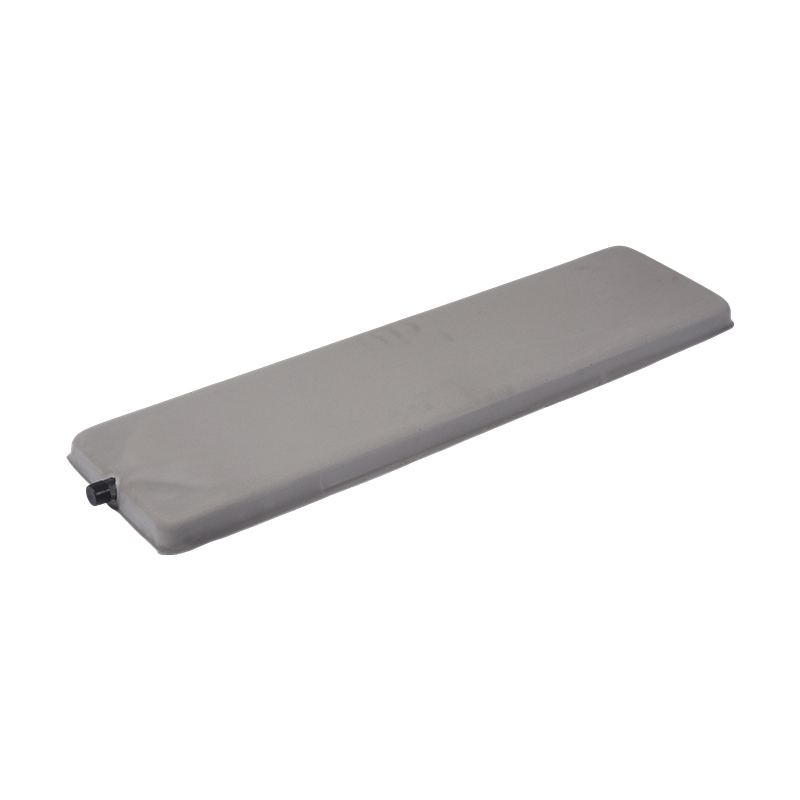 ODM/OEM Stainless steel water collection tray Suppliers, Company - Cixi ChenfengCixi Chenfeng Electric Co., Ltd is a China Stainless steel water collection tray supplier and company, We provide ODM/OEM customization s...View Product →
Choosing the Right Drain Pan Material
Not every condensate pan needs to be stainless steel. The right material depends on how often the system operates, whether condensate is treated, and local code requirements. The table below summarizes the options.
| Material | Acid Resistance | Typical Use |
|---|---|---|
| Galvanized steel | Fair | Standard AC drain pans in moderate environments |
| Cold-rolled steel | Poor | Coated or inside protected assemblies |
| Aluminum | Fair to poor | Lightweight trays with limited acid exposure |
| 304 stainless steel | Excellent | Condensing furnaces and long-life components |
| Plastic / polymer | Excellent | Secondary pans and corrosion-proof drainage |
Aluminum is light and easy to form, but repeated exposure to pH 4.5 condensate can produce white corrosion and pitting. Cold-rolled steel should only be used with a durable coating. Galvanized steel often works in standard air-conditioning condensate applications, but the thin zinc layer is not a long-term defense against acid.
If the system already uses a polymer pan, a black air conditioner drain pan can provide corrosion-free service. For metal enclosures, stainless steel is the safest choice.
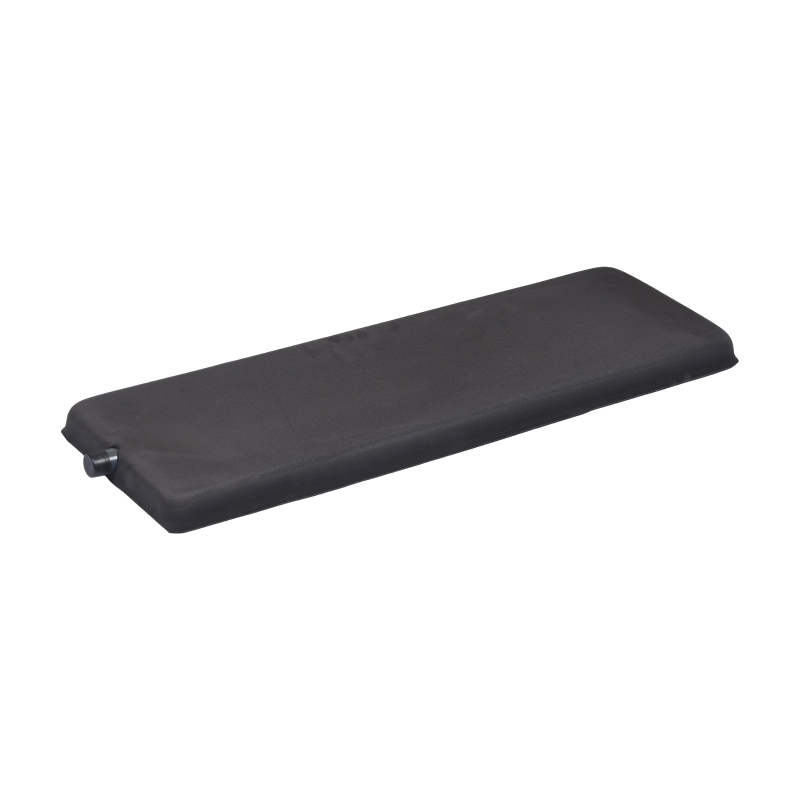 ODM/OEM Black air conditioner drain pan Suppliers, Company - Cixi Chenfeng ElectCixi Chenfeng Electric Co., Ltd is a China Black air conditioner drain pan supplier and company, We provide ODM/OEM customization service...View Product →
For a wider checklist of features such as flange size, drain connection, and capacity, see our HVAC drain pan buying guide.
Neutralization and Code Compliance
A condensate neutralizer raises the pH of the water before it enters pipes, concrete, or septic systems. Most units contain crushed limestone or similar alkaline media. As the acid passes through, it dissolves the media and becomes neutral or mildly alkaline.
Many local plumbing codes follow model codes that require a neutralizer for high-efficiency gas equipment. Even when code does not require one, a neutralizer protects the building's plumbing and public sewer infrastructure. The cost is small compared with repairing a corroded drain line.
Remember that a neutralizer and a drain pan serve different roles. The neutralizer changes water chemistry; the drain pan provides secondary containment. Both should be included in a well-designed system.
Working With a Sheet Metal Manufacturer on Drain Pans
Cixi Chenfeng Electric Co., Ltd. is a professional enterprise in the electrical field, focusing on the development and production of central air conditioning accessories. As an air conditioner parts manufacturer and sheet metal parts factory, the company combines technical strength, reliable product quality, and a solid market reputation in the central air conditioning accessories industry.
The production program covers brackets, water trays, return air boxes, and other custom sheet metal parts. OEM and ODM projects are supported with precision manufacturing and strict quality control, giving HVAC system builders a dependable source for corrosion-resistant components.
For cramped mechanical rooms, a compact design can help condensation move quickly. Our V-shaped water collection tray uses a sloping geometry to reduce standing water and minimize corrosion risk.
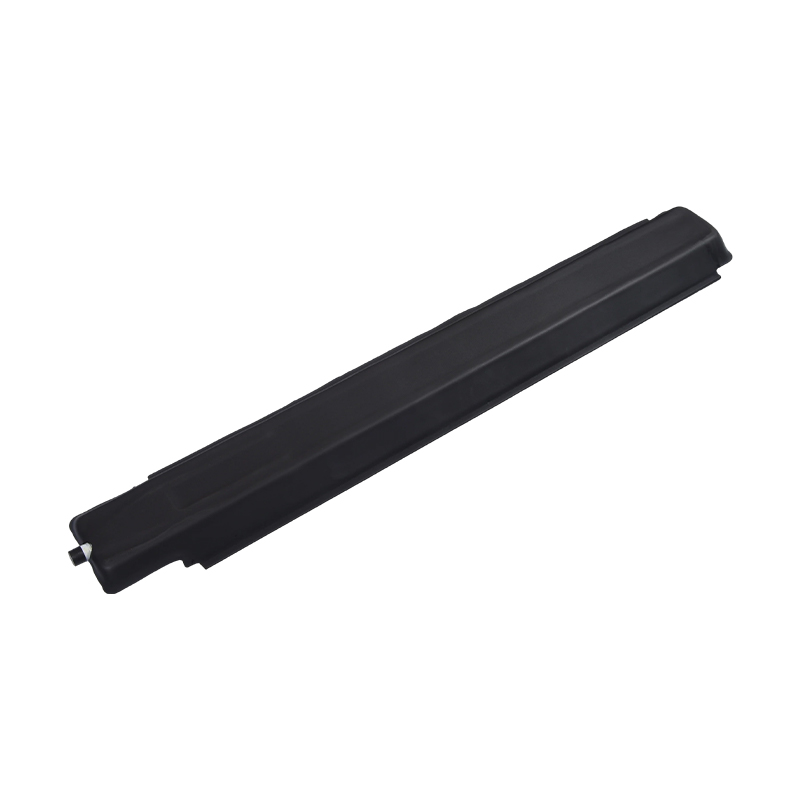 ODM/OEM V-shaped water collection tray Suppliers, Company - Cixi Chenfeng ElectrCixi Chenfeng Electric Co., Ltd is a China V-shaped water collection tray supplier and company, We provide ODM/OEM customization services...View Product →
You can see the production environment and quality procedures on our sheet metal factory overview.
Frequently Asked Questions About Acidic Condensate
Q1. What pH is considered acidic condensate?
Most condensing furnace condensate has a pH between 4.5 and 5.5. Values below 4.5 may occur in older or less efficient burners.
Q2. Can acidic condensate damage a steel drain pan?
Yes. Galvanized steel can eventually corrode once the zinc layer is penetrated. Stainless steel or plastic is safer for repeated acidic exposure.
Q3. Is a condensate neutralizer required by code?
Many jurisdictions require neutralization before discharging acidic condensate to a public sewer or septic system. Local plumbing codes should be confirmed.
Q4. Can I replace a standard pan with a stainless steel pan?
Usually yes, if the mounting dimensions, flanges, and drain connection match. A sloped bottom and sealed seams are important to avoid standing water.
-
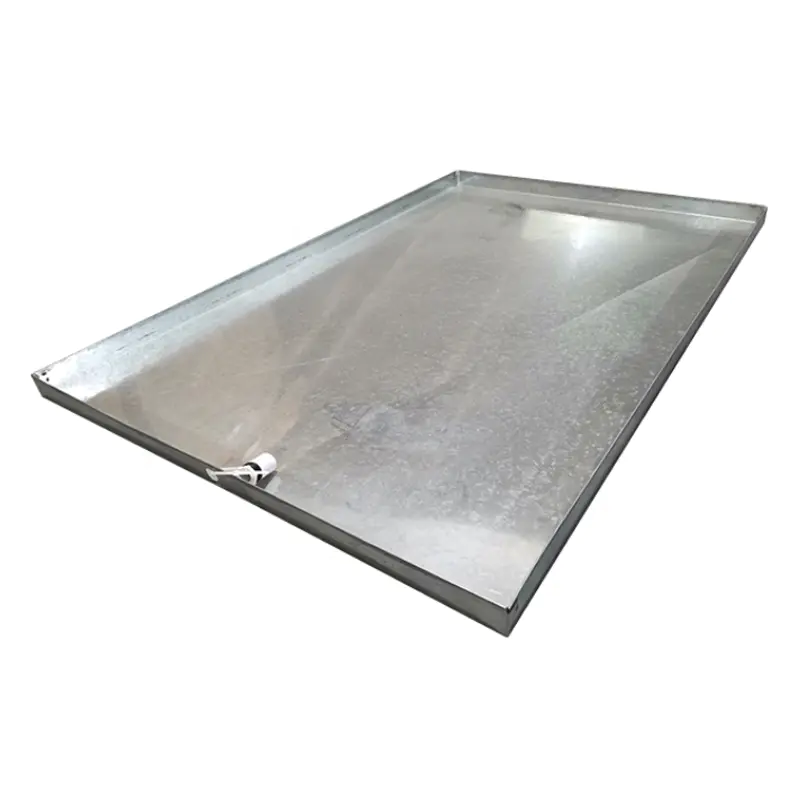
Galvanized Steel Condensate Collection Pans for Ai...
-
Our Rubber Vibration Isolator Pads for HVAC System...
-
Detailed Description: Crafted with pure handwoven ...
-
This Outdoor stainless steel folding oven is a ver...
-
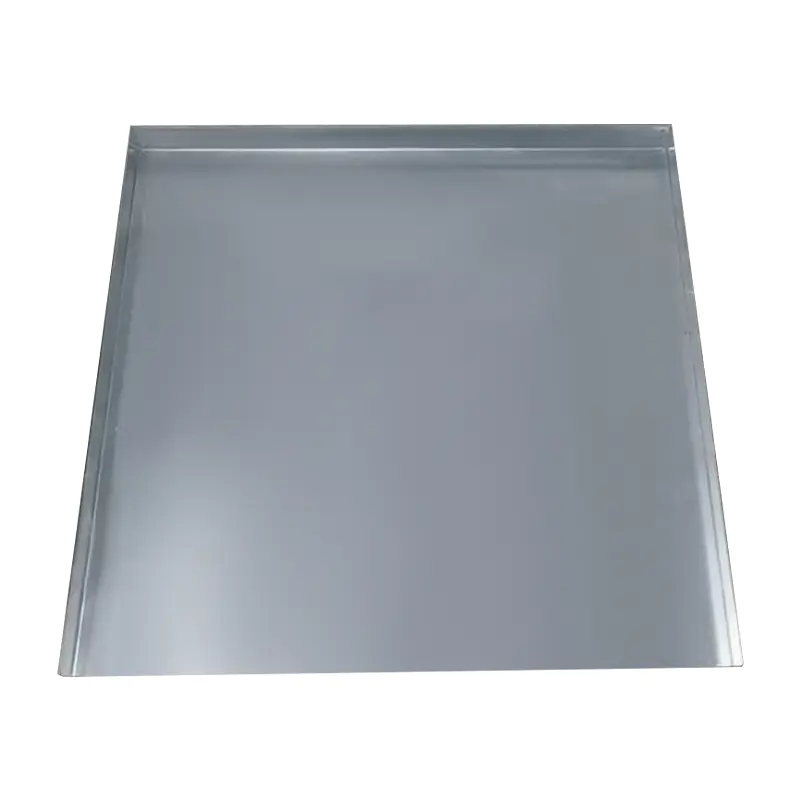
Galvanized Steel AC Drain Pans are specially desig...
-
Detailed Description: Made with a cream pure handw...



Contact info.
+86 17398066504 [email protected]
+86 17398066504
[email protected]
[email protected]
+86 17398066504
[email protected]
 +86-0574-63301198
 +86-13706742730
 No. 939, Qiye Road, Zhouxiang Town, Cixi City, Ningbo City, Zhejiang Province, China
Hot Products
Stainless Steel Equipment & Folding BBQ Grill Series Air Conditioner Drain Pan And Outdoor Unit Bracket Ventilation FansGet A Free Quote
Copyright © 2025 by Cixi Chenfeng Electric Co., Ltd All Rights Reserved. Air Conditioner Parts Manufacturers Stainless Steel Sheet Metal Parts Factory
