

 English
  中文简体
中文简体  русский
  Français
  عربى
عربى  Español
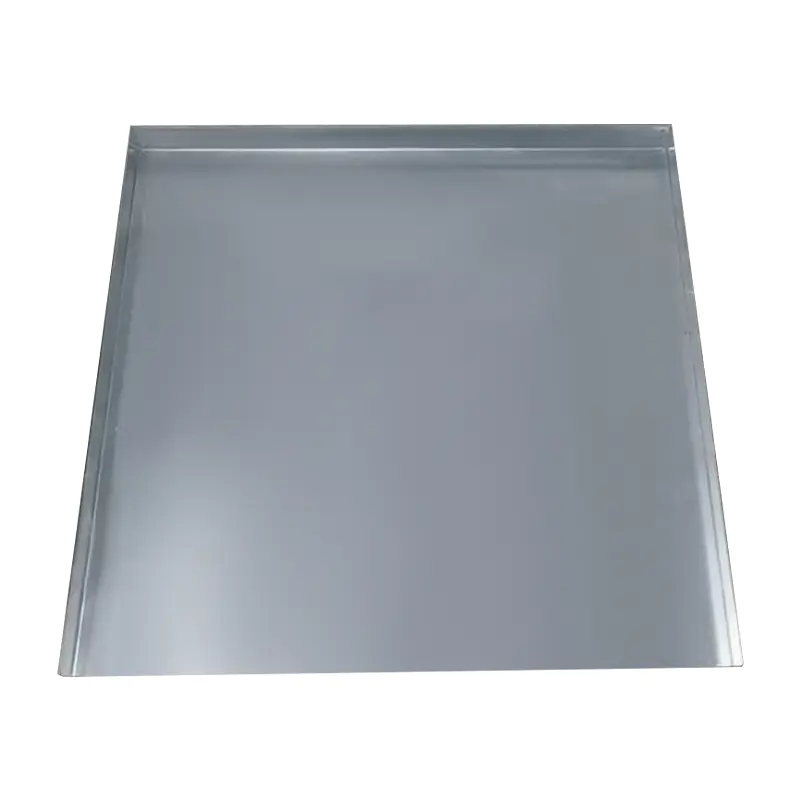
Product Overview
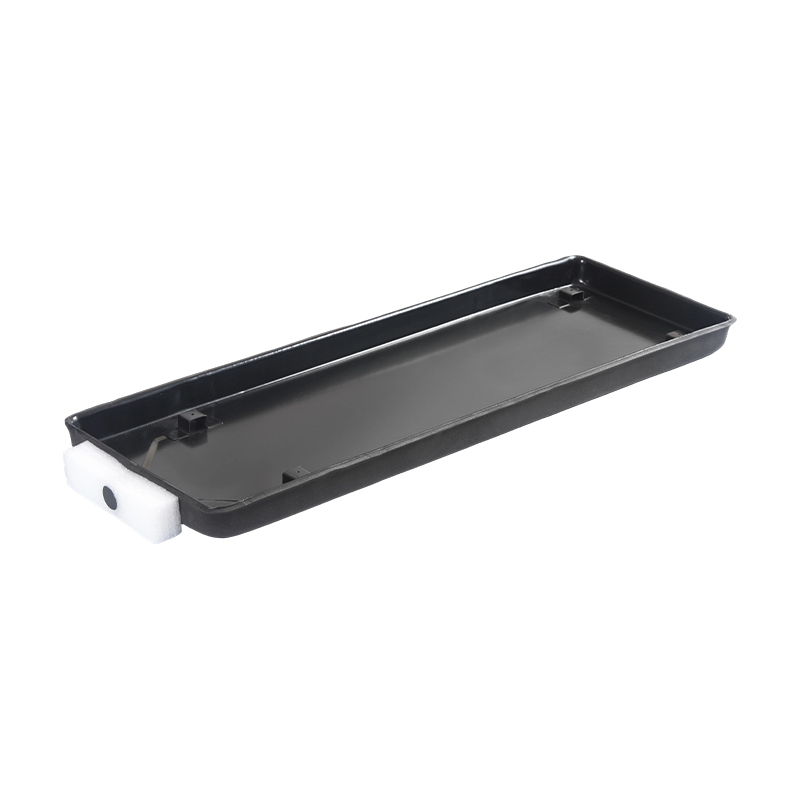
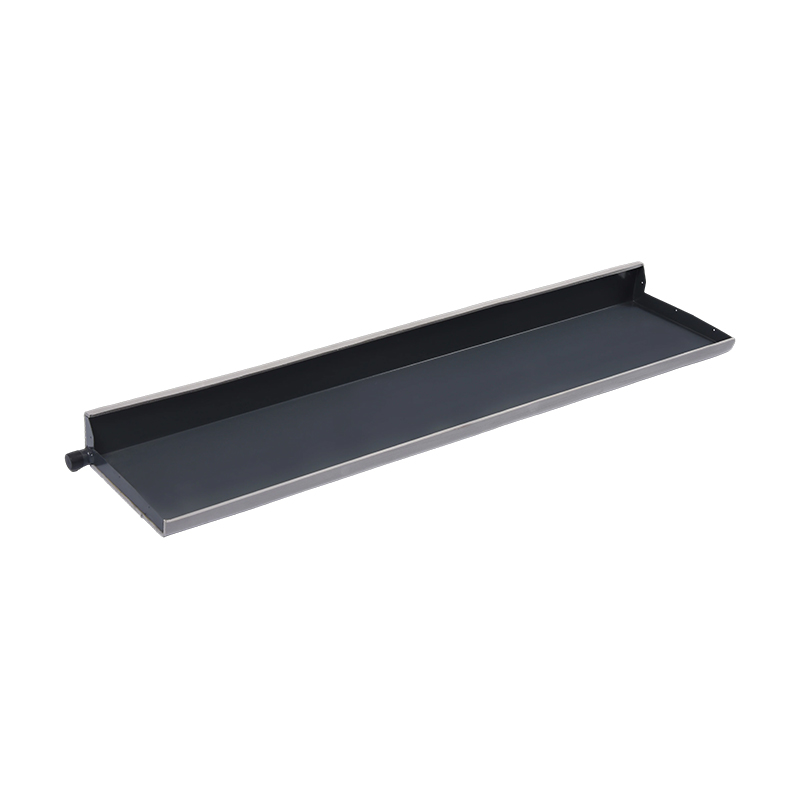
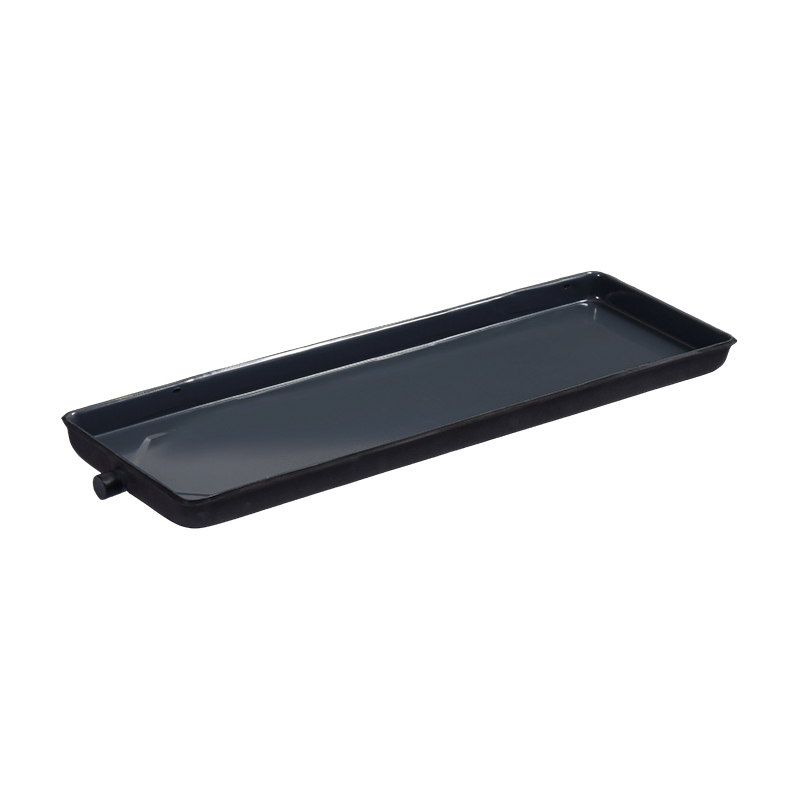
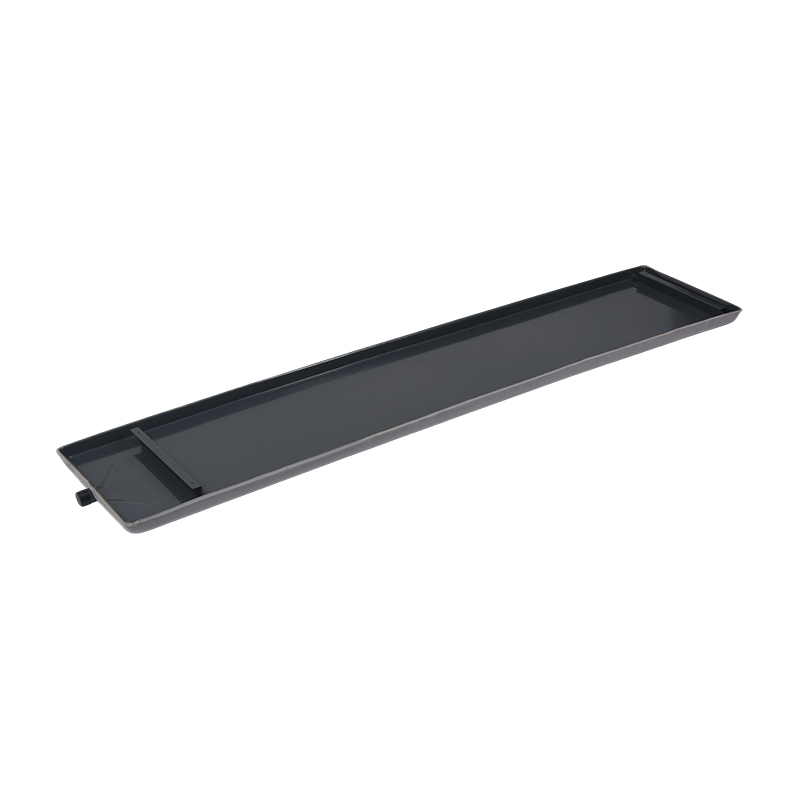
A drip pan's job looks simple on paper, catch water, but the details that determine whether it performs well over years of service are all in the fabrication. Pan depth and slope toward the drain outlet need to be right so water does not pool and stagnate, and the seams and corner joints need to be genuinely watertight rather than just visually sealed, since a slow leak inside a ceiling void or mechanical closet can go unnoticed for a long time and cause real damage.
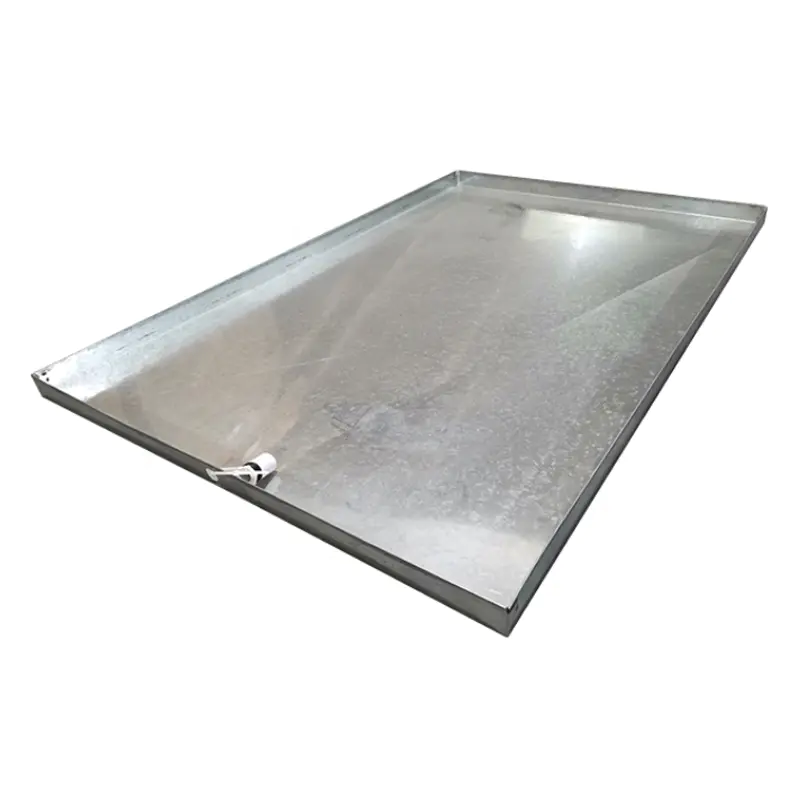
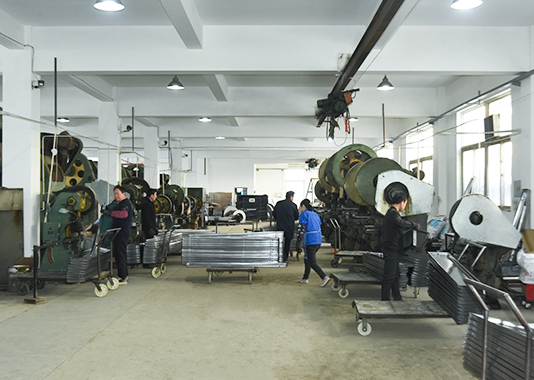
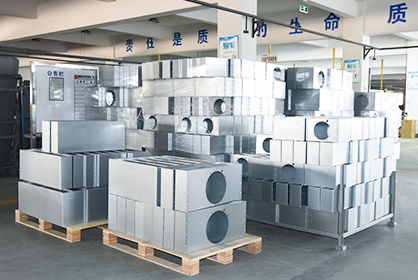
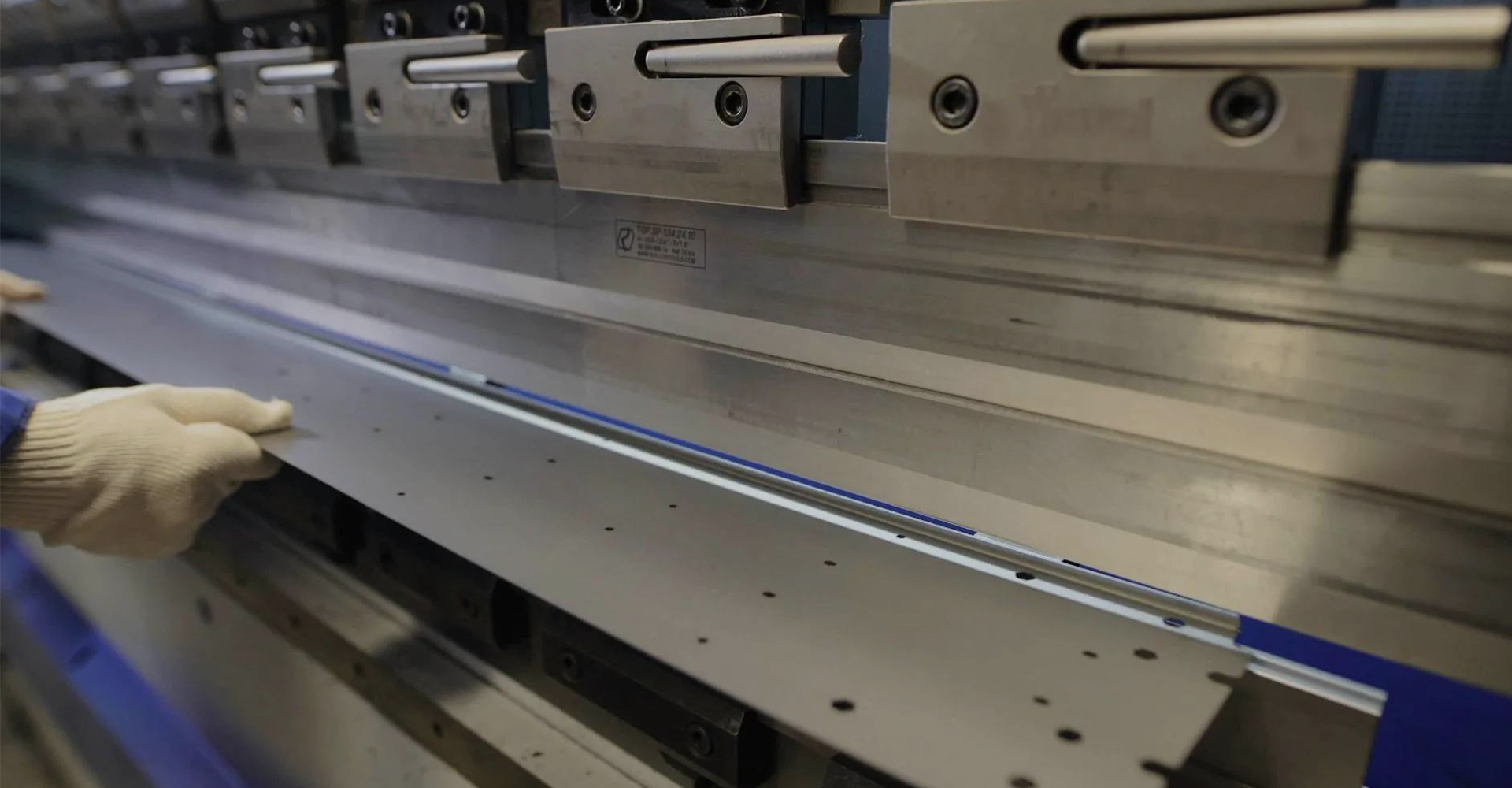
At Cixi Chenfeng, we form HVAC drip pans using CNC press brakes and stamping presses that hold consistent bend angles and corner geometry across a production run, then weld or crimp seams depending on the design and material. Stainless steel pans are typically TIG welded at the seams for a fully sealed joint, while galvanized pans may use a folded and sealed corner construction that is more cost-effective for high-volume standard sizes. Either way, every pan is checked for dimensional accuracy and, for larger or custom orders, leak-tested before it leaves the factory.
We work with HVAC equipment manufacturers, air handling unit builders and HVAC parts distributors who need a reliable supply of drip pans either matched to their own equipment designs or as generic replacement stock for field service. For OEM customers, we can develop tooling around a specific coil and cabinet design so the pan is a precise fit rather than a generic approximation, which reduces installation labor and callback risk on the customer's side.
Material selection generally comes down to the environment and budget: galvanized steel offers good corrosion resistance at a lower cost for indoor, conditioned-space installations, while stainless steel is the more durable choice where humidity exposure is higher or where a longer service life is the priority. We can advise on the right combination of material, gauge and finish once we understand the installation environment and expected duty cycle.
Specification
| Product Type | HVAC condensate drip pan / drain tray |
| Materials | Galvanized steel, 201/304 stainless steel, aluminum |
| Thickness | 0.4 mm – 1.2 mm (standard); custom gauges available |
| Construction | Single-piece stamped or formed with welded/sealed corners |
| Drain Outlet | Customer-specified position and thread/fitting size |
| Surface Finish | Passivated, powder-coated, or mill finish |
| Custom Sizing | Made to coil/cabinet footprint from drawing or sample |
| Leak Testing | Available for custom and stainless steel production orders |
| MOQ | Negotiable; trial quantities available for new fit approval |
| Lead Time | Standard sizes ship faster; custom tooling adds development time |
Application
HVAC drip pans are installed beneath evaporator coils in air handling units, fan coil units and ductless indoor units to collect condensate produced during cooling operation and route it to a drain line. They are used across residential air handlers, light commercial rooftop and split systems, and larger central plant air handling equipment.
When specifying a drip pan, the key details are the footprint of the coil section it sits under, the available depth in the cabinet, the position and size of the drain outlet, and whether the installation requires a secondary or auxiliary pan for overflow protection as a separate component. Installers should confirm the pan sits level with a slight slope toward the drain outlet, and that the drain connection is properly sealed, since even a well-made pan will leak at a poorly fitted outlet connection.







 +86-0574-63301198
 +86-13706742730
 No. 939, Qiye Road, Zhouxiang Town, Cixi City, Ningbo City, Zhejiang Province, China
