

 English
 中文简体
 русский
 Français
 عربى
 Español
Industry News
Folding BBQ Grill Guide: Hinge Strength, Steel Gauge and Custom OEM Supply
A folding BBQ grill almost never fails at the cooking surface. It fails at the fold: a hinge pin that wears an oval hole into a thin bracket, a leg detent that stops locking after one season, or a lid that no longer sits flat because the hinge line bent in transit. In practice, most field failures trace back to a point within a few centimetres of a moving joint, not to the middle of the grate.
So the order of decisions matters more than the feature list. Set sheet thickness at the hinge and leg mounts first; choose the hinge construction second; then material and finish; then cooking area and packed size. Get the first three right and a 5 kg grill stays rigid for years. Do it in reverse and you end up with a generous grate sitting on a frame that flexes every time it is lifted out of a car boot.
Content
- 1 Where a Folding BBQ Grill Actually Breaks
- 2 Steel Gauge: The Number That Sets Weight, Rigidity and Price
- 3 Material and Finish: Where the Money Should Go
- 4 Folding Mechanisms, Compared by What They Cost You
- 5 Airflow and Heat: Why the Lid Gap Matters
- 6 Portability Numbers Buyers Check First
- 7 Specifying a Folding Grill for Volume Orders
- 8 Folding BBQ Grill: Common Buyer Questions
Where a Folding BBQ Grill Actually Breaks
The fold joint carries every load at once: the weight of the lid, the lift force when someone grabs the handle of a packed unit, and the thermal cycle of a firebox that goes from ambient to 350 degrees and back on every cook. Three details decide whether it survives.
- Pin size against bracket thickness. A pin under 4 mm running in a bracket thinner than 1.2 mm deforms when the packed grill is lifted with one hand. A 5 to 6 mm stainless pin in a 2 mm bracket is the durable pairing.
- How the hinge is attached. A continuous weld beats a spot weld, and a spot weld beats a rivet at the hinge line. A riveted hinge is a service part, not a structural one, and it will loosen.
- Pin material and bushing. A stainless pin in a stainless bushing avoids the galvanic seizure that locks plated pins after a few months of outdoor storage.
Lid alignment follows from the same geometry. If the two hinge halves are welded after bending instead of in a fixture, the lid will sit proud on one corner and leak smoke at the rim. A gap of a few millimetres at the rim is enough to slow the burn and cost you the temperature control you paid for.
Steel Gauge: The Number That Sets Weight, Rigidity and Price
18 gauge, about 1.2 mm, for the lid and body panels, with 16 gauge, about 1.5 mm, at the firebox walls, hinge brackets and leg mounts, is the practical specification for a portable folding grill. Anything thinner saves weight and money but moves the failure point out of the joint and into the panel itself.
Weight follows the gauge directly, and the arithmetic is worth doing before a drawing is released. Moving from 18 gauge to 16 gauge adds roughly 0.7 kg for every 0.3 square metres of sheet: 0.31 mm of extra thickness across 3,000 square centimetres, multiplied by steel density of 7.85 g/cm³. On a grill that already weighs 5 kg, that single step is a visible share of the total.
| Gauge | Thickness | Typical use on a folding grill | Trade-off |
|---|---|---|---|
| 20 ga | 0.91 mm | Drip trays, heat shields, inner liners | Light and cheap; dents and cannot carry a hinge |
| 18 ga | 1.21 mm | Lid skin, body panels, side tables | Balanced for portable units |
| 16 ga | 1.52 mm | Firebox walls, grate frame, leg mounts | Adds about 0.7 kg per 0.3 square metres |
| 14 ga | 1.90 mm | Hinge brackets, charcoal bed supports | Stiff, but needs heavier tooling and more weld heat |
| 12 ga | 2.66 mm | Heavy-duty grates, commercial builds | Too heavy to fold and carry comfortably |
For a volume buyer, the gauge decision usually shows up as several hundred grams of unit weight and a matching shift in material cost. It is also the cheapest place to take cost out of a grill, because the panels nobody leans on can safely go thinner than the ones that hold the lid up.
Material and Finish: Where the Money Should Go
For anything stored outdoors, 304 stainless at the firebox and grate frame is worth the premium. For a cost-driven retail programme, powder-coated cold-rolled steel works, provided the coating is properly specified and the cut edges are treated. The wrong answer is a mixed build where the cheap material sits in the hottest, wettest zone.
- 304 stainless: the safest choice for a firebox that sees rain, ash and acidic marinade; heavier and more expensive per sheet.
- 430 stainless: magnetic, cheaper, good enough for lids and side tables where heat and salt exposure are lower.
- Cold-rolled steel with powder coat: excellent formability and cost, but every cut edge and weld needs pretreatment or rust starts there first.
- Galvanised sheet: fine for legs, brackets and heat shields, but it does not belong inside a firebox at cooking temperatures.
Folding Mechanisms, Compared by What They Cost You
Most folding grills use one of four mechanisms, and the choice dictates packed size, setup time and where the unit wears out.
- Clamshell: the lid hinges directly to the base. Fewest parts and the fastest setup, but the hinge takes the full lid load, so specify a stop so the lid cannot fall past 100 degrees and stress the bracket.
- Scissor or X-frame legs: collapse completely flat. Every joint is a wear point, so look for a locking collar rather than friction alone.
- Side-fold tables: add prep space and stiffness. The table hinge takes sideways load whenever somebody leans on it, so it needs a support strut, not just a weld.
- Lift-out nesting: grate and firebox nest into each other for transport. Simplest to build, but parts rattle and paint wears at the contact points unless you specify pads.
A 500-cycle open-and-close check plus a 1 m drop test on the packed unit catches most of what goes wrong in the first year of ownership, and both are cheap to run before a production release rather than after.
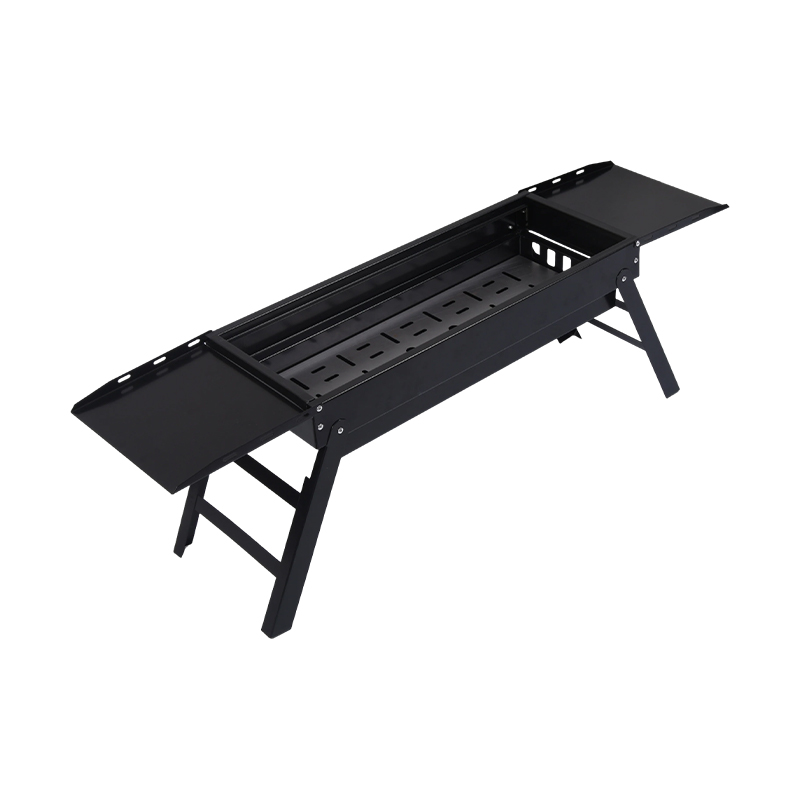
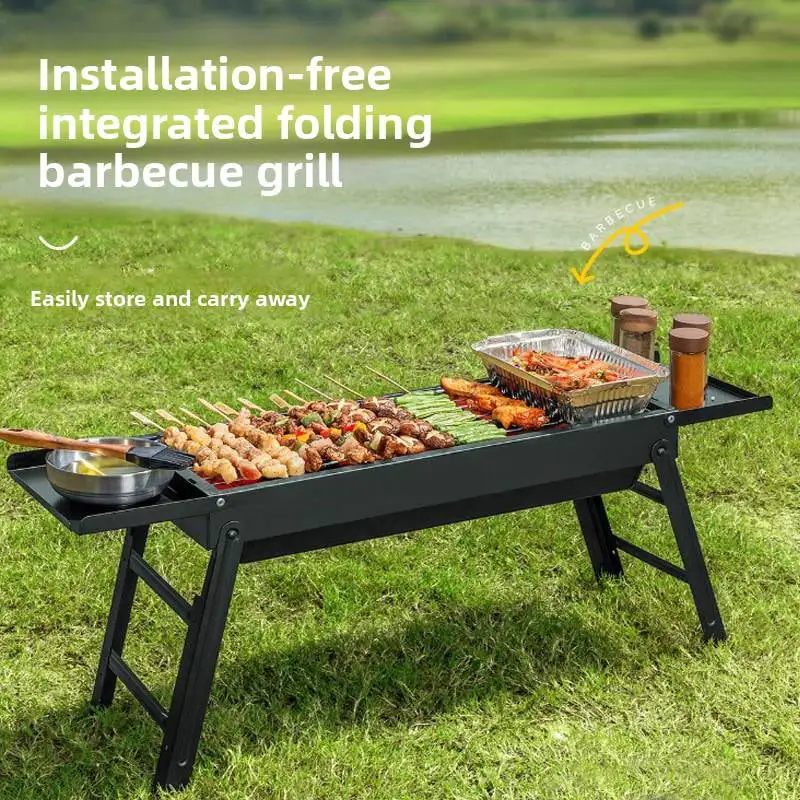 Portable Folding Charcoal BBQ Grill in Iron or StainlessFor checking folding durability and heat control, this lightweight grill offers tool-free setup, modular charcoal box and dampers, in iron or stainless steel.View Product →
Airflow and Heat: Why the Lid Gap Matters
A folding grill runs hot and fast or cool and smoky depending on three openings: the base intake, the lid vent and the seam where the lid meets the body. Thin walls lose more heat to the surroundings, so a folding unit settles at a lower temperature than a kettle of the same grate area, and the cook compensates by burning more fuel.
Wind is the larger variable outdoors. A lid that seats flat at the rim is worth more than an extra vent, and an adjustable lid vent that closes fully lets you shut the fire down and save charcoal at the end of a cook. Base intakes should be fixed and shielded so ash cannot block them halfway through.
Portability Numbers Buyers Check First
Three numbers decide whether a folding grill gets used or stays in the garage: packed weight, packed length and setup time. Everything else is a secondary argument.
Packed, the unit is carried by one hand, so the handle has to sit over the centre of gravity. A handle mounted on the lid puts the whole load on the hinge line, which is exactly the joint you were trying to protect. Sharp edges at the fold are the other recurring complaint, and a simple deburr plus a rolled edge on the two panels nearest the handle solves it at almost no cost.
Specifying a Folding Grill for Volume Orders
On an OEM order, the drawing itself matters less than the tolerances written on it. Five lines on a specification sheet prevent most of the disputes that surface at inspection.
- Sheet thickness with tolerance, for example 1.2 mm within 0.05 mm, stated per part rather than per assembly.
- Hinge pin diameter, material grade and weld length, with the lid alignment checked in a fixture.
- Coating thickness of 60 to 80 microns, cure schedule, and explicit cut-edge treatment for cold-rolled parts.
- Packaging: carton board grade, corner protection and drop test height for the packed unit.
- Food-contact documentation for the grate, and confirmation that no zinc-coated part sits in the cooking zone.
Cixi Chenfeng Electric Co., Ltd. is a professional enterprise in the electrical field, focusing on the development and production of central air conditioning accessories. We are a professional air conditioner parts manufacturer and sheet metal parts factory. With excellent technical strength, reliable product quality and good market reputation, the company occupies an important position in the central air conditioning accessories industry. We specialize in the production of air conditioning accessories and other custom sheet metal parts, including brackets, water trays and outdoor cooking products; with precision manufacturing and strict quality control, we provide solid quality assurance for air conditioning systems and outdoor equipment.
The production sequence for these units is laser cutting, bending, welding and coating, so tolerances are fixed at the drawing stage rather than at final inspection. Chenfeng Electric's published updates on custom stainless steel folding BBQ grills follow that same order, which is why buyers usually settle the gauge and hinge questions before the shape of the lid. The folding grill and the outdoor stainless steel oven share firebox geometry and coating capacity, so a programme that needs both can be quoted on one sheet-metal platform.
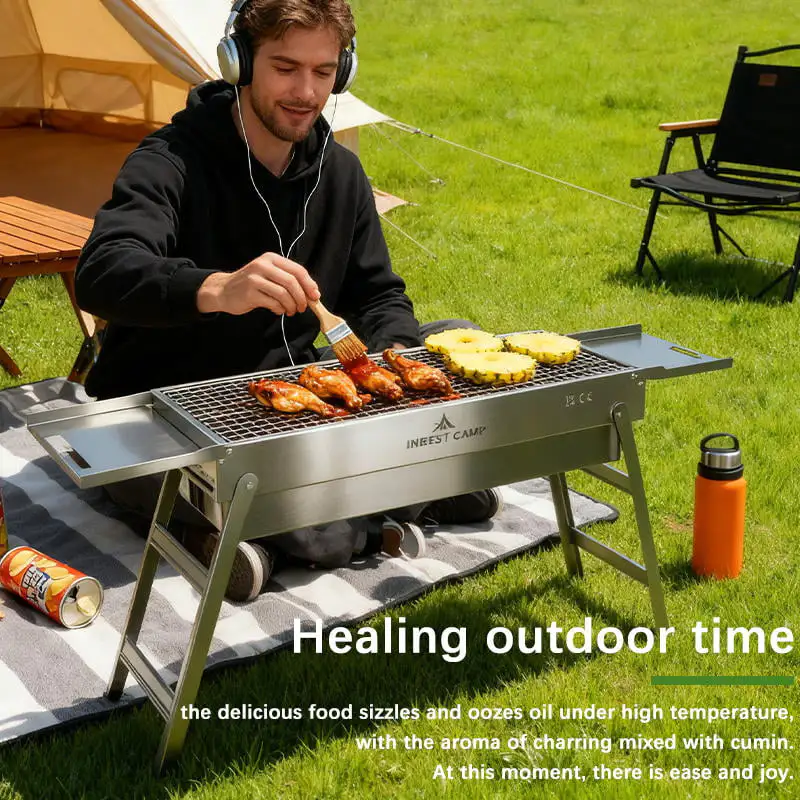 304 Stainless Steel Folding Outdoor Charcoal BBQ OvenCoating-free 304 stainless steel folding grill for 3–5 people, with adjustable height, detachable parts and compact storage for camping and family gatherings.View Product →
Folding BBQ Grill: Common Buyer Questions
-
Material: Iron: 23.83 USDStainless Steel: 44 .15 U...
-
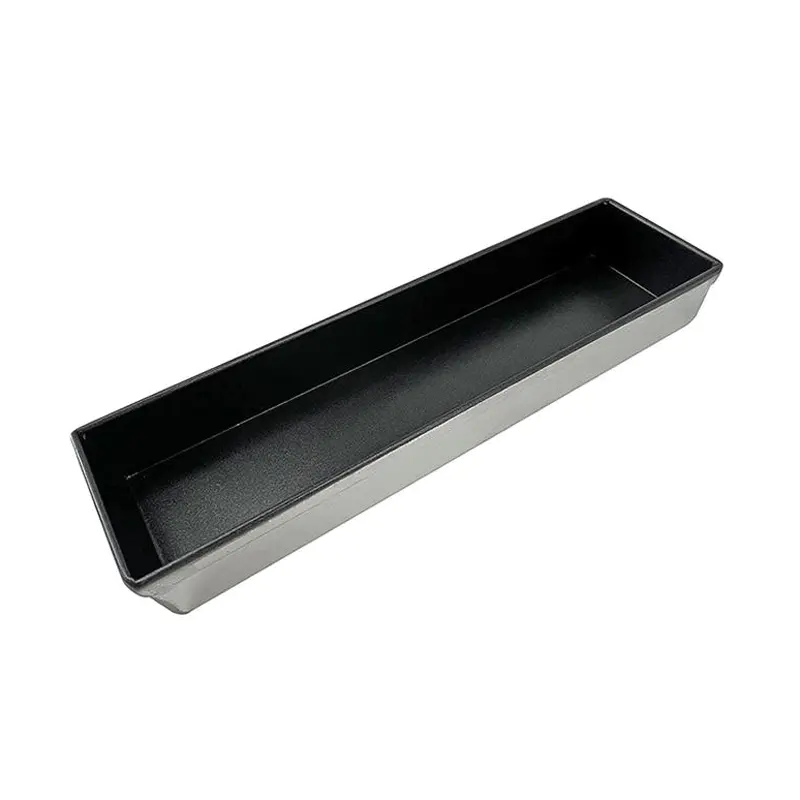
Our Stainless Steel Meat Trays for Fresh and Froze...
-
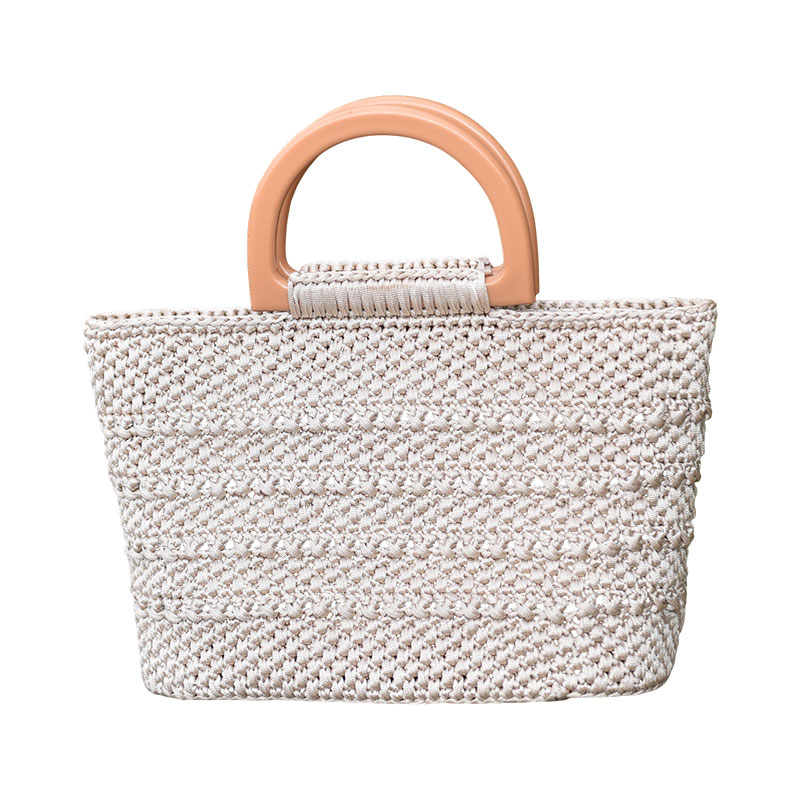
Detailed Description: Made with a cream pure handw...
-
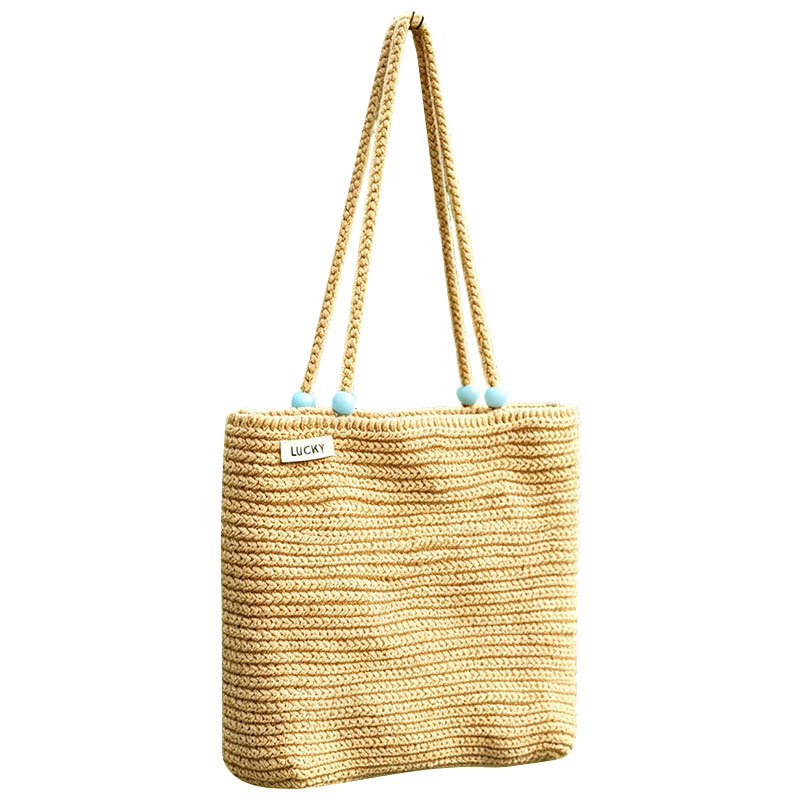
Detailed Description: Crafted with pure handwoven ...
-
Detailed Description: The solid deep-navy woven bo...
-
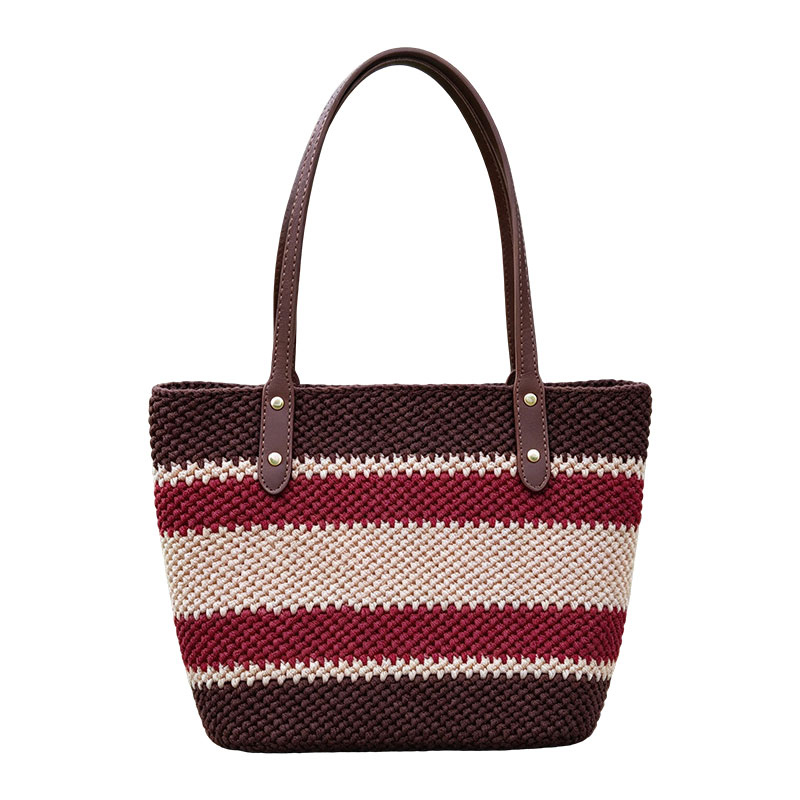
Detailed Description: Different colors are combine...


Contact info.
+86 17398066504 [email protected]
+86 13248153410
[email protected]
 +86-0574-63301198
 +86 13248153410
 No. 939, Qiye Road, Zhouxiang Town, Cixi City, Ningbo City, Zhejiang Province, China
Hot Products
Stainless Steel Equipment & Folding BBQ Grill Series Air Conditioner Drain Pan And Outdoor Unit Bracket Ventilation FansGet A Free Quote
Copyright © 2025 by Cixi Chenfeng Electric Co., Ltd All Rights Reserved. Air Conditioner Parts Manufacturers Stainless Steel Sheet Metal Parts Factory
