

 English
 中文简体
 русский
 Français
 عربى
 Español
Industry News
Air Conditioning Metal Components: Material Selection and Sourcing Guide
A commercial fit-out is handed over in early summer. Three months later, water starts running along the ceiling grid above an office floor. The fan coil unit is running perfectly. The problem is a 0.8 mm cold-rolled drain pan whose internal coating broke down near the weld heat-affected zone, and the pan has rusted through at the low corner. The part itself cost a small fraction of the unit it sits inside. The ceiling tiles, the rework labour and the delayed handover cost something else entirely.
That gap between part price and failure cost is the whole argument for taking air conditioning metal components seriously. Metal parts rarely dominate an HVAC bill of materials, but they decide where and when a system fails. A bracket chosen on price alone will creep under wind load and pull its anchors; a drain pan chosen without checking the condensate chemistry will leak from above a ceiling rather than from inside a plant room.
So the useful questions for a buyer are narrow: does the material match the real service environment, are the tolerances held at the interfaces that carry load or seal water, and will the supplier run salt spray and dimensional checks before the batch ships. The rest of this guide works through those three questions component by component.
Content
- 1 Quick answer: metal selection by component
- 2 The four metal component families in an air conditioning system
- 3 Material choice: the corrosion, cost and formability triangle
- 4 Why the condensate pan is the weakest link
- 5 Seven specifications to confirm before you place an order
- 6 Custom manufacturing and quality control
- 7 Frequently asked questions
Quick answer: metal selection by component
If you only need the short version, this table covers most residential and light commercial applications. Thickness and coating columns assume sheltered service; coastal, industrial and high-humidity sites need the corrosion upgrade discussed further down.
| Component | Preferred material | Acceptable alternative | Dominant failure mode |
|---|---|---|---|
| Outdoor unit wall bracket | 304 or 201 stainless steel | Hot-dip galvanized steel with powder coating | Section loss at welds and anchor holes |
| Condensate drain pan | 304 stainless steel | Galvanized steel; epoxy-coated cold-rolled steel | Pitting and through-wall corrosion at the low corner |
| Fan coil unit casing | Galvanized steel, 0.8–1.2 mm | Aluminized steel | Edge corrosion and panel resonance |
| Return air box | Galvanized steel | Cold-rolled steel, powder coated | Fastener loosening and panel flutter |
| Supply and return grilles | Extruded aluminium | Powder-coated steel | Coating blistering in humid ceiling voids |
Two entries need a warning attached. First, "galvanized" is not a single material: zinc coating mass on the same 1.0 mm sheet can vary by several grades between mills, and that zinc mass rather than the base steel governs how long a pan survives. Second, aluminium is an excellent choice for dry decorative parts and a poor one for pans that see slightly acidic condensate, because the passive oxide layer is more reactive at low pH than most buyers expect.
The four metal component families in an air conditioning system
Almost everything metal in an air conditioning package falls into one of four groups, and each group is judged against a different requirement.
Structural parts: brackets, hangers and supports
Outdoor unit brackets, wall brackets, pipe brackets and vibration isolator pads carry dead load, wind load and compressor vibration at the same time. The design driver is not tensile strength but stiffness at the connection. A bracket that deflects visibly under wind load will fatigue its anchors long before the steel approaches yield. Ask for anchor hole spacing, the weld detail at the folded corner, and a rubber isolator specified by hardness and compression set rather than simply "rubber".
Drainage parts: condensate pans and collection trays
The drain pan is the component where material choice has the shortest payback. It holds water permanently, it is usually the thinnest formed part in the unit, and it is often the hardest part to reach after installation. Slope, drain boss position, weld quality and coating continuity at cut edges matter as much as the base metal.
Air handling parts: fan coil units and return air boxes
Casing panels and return air boxes are mostly stiffness and acoustic problems rather than corrosion problems. Galvanized steel in the 0.8–1.2 mm range is standard, but panel flatness, hem quality and fastener spacing decide whether the unit rattles at part load. Poorly stiffened access panels are one of the most common field complaints on fan coil units.
Custom sheet metal: guards, covers and specialised parts
Beyond the standard families, most projects need one-off brackets, tray supports, pipe covers or mounting plates. These are where tolerance discipline shows. A 1 mm error on a cover is invisible; the same error on a mating bracket stops a line.
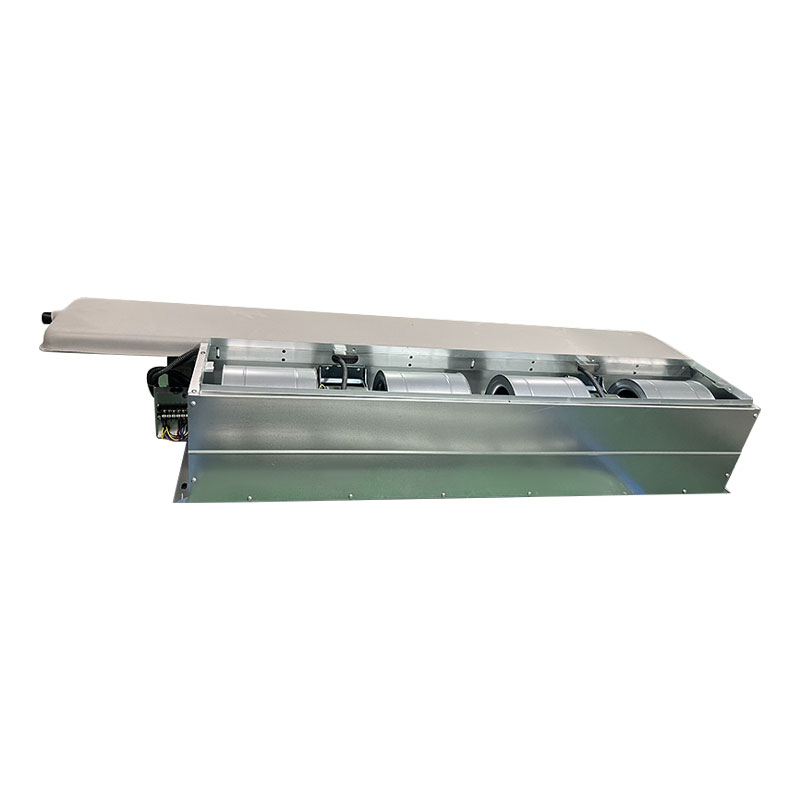 Customizable Fan Coil Unit for Central HVAC SystemsCustomizable fan coil unit for central HVAC projects, with sheet metal forming, multiple installation options, and low-noise operation.View Product →
Material choice: the corrosion, cost and formability triangle
Material selection for air conditioning metal components is a three-way trade. You cannot simultaneously maximise corrosion resistance, minimise material cost and keep the part easy to form and weld. The practical question is which corner the application can afford to give up.
Figure 1 — Relative corrosion resistance under permanent wet service. Indicative rating for selection discussion only.
Cost moves in the opposite direction. Pricing below is expressed as an index with cold-rolled steel at 100, which makes the jump between coated steel and stainless steel visible at a glance.
Figure 2 — Order-of-magnitude material price index. Actual spread depends on mill, grade and order volume.
Read together, the two charts explain the standard compromise. Galvanized steel buys roughly a 15 percent cost premium over cold-rolled for a meaningful corrosion step up, which is why it dominates casings and boxes. Type 304 stainless costs several times more per kilogram but is the only common sheet metal that holds up in permanently wet, mildly acidic condensate without a coating to maintain.
Figure 3 — Profile comparison for wet indoor duty. Scores are comparative judgements, not test results.
Why the condensate pan is the weakest link
Condensate is not pure water. As it forms on a cooling coil it absorbs carbon dioxide and traces of sulphur and nitrogen compounds, and in urban or industrial settings it can settle into a mildly acidic range with dissolved solids carried in from the airstream. That film sits in the pan twelve months a year, often at 10 to 15 mm depth, with dust and biofilm collecting at the low point.
Figure 4 — Cutaway of a typical formed drain pan: hem, sloped sump, drain boss and hanger tab.
The diagram shows where the corrosion attacks first. The hem traps water by capillary action, the drain boss creates a weld or a mechanical joint that interrupts coating continuity, and the sump slope decides whether water drains away or stands. A pan can be made from perfectly good 1.0 mm sheet and still fail in two seasons if any of those three details is wrong.
Figure 5 — How material choice separates as the service environment gets harsher. Illustrative model for selection discussion.
The takeaway from the curve is not the exact numbers but the shape: coated steel and stainless steel stay close in dry, filtered duty, then diverge sharply once the pan sees coastal air or industrial exhaust. That is why specifiers who standardise on stainless for coastal projects usually find the premium cheaper than a repeat service call.
 Stainless Steel Condensate Drain Pan for HVAC SystemsCorrosion-resistant stainless steel drain pan for HVAC condensate collection, with customizable dimensions, drainage outlets, and mounting options.View Product →
Seven specifications to confirm before you place an order
Most sourcing disagreements on air conditioning metal components come down to a specification that was assumed rather than written. These are the seven that cause the most rework.
- Base metal grade and thickness with tolerance. State the grade (304, 201, DX51D, SPCC) and the thickness range, not just a nominal figure. Forming a 1.0 mm pan from 0.85 mm stock changes stiffness noticeably.
- Coating type, weight or film thickness. For galvanized parts, ask for zinc coating mass. For painted parts, ask for dry film thickness and the pretreatment stage, since most coating failures start at the pretreatment.
- Cut edge and weld treatment. Sheared edges and welds are where corrosion begins. Specify whether edges are deburred, whether welds are dressed, and whether a touch-up coating is applied.
- Critical dimensions and interface tolerances. Identify the two or three features that must mate with something else — anchor hole pitch, drain boss height, flange width — and put a tolerance on those only, rather than blanket tolerancing the whole drawing.
- Flatness and squareness limits. Panel flatness drives noise and fit. A flatness callout on visible panels prevents the argument after the first container arrives.
- Corrosion and inspection method. Agree the salt spray duration and the acceptance criterion, plus who pays for the test coupon. A supplier who proposes the test method themselves is usually the safer one.
- Packaging and counting. Pans and brackets that ship loose will arrive dented, and dented pans leak. Specify interleaving, carton count and whether a first-article report is required.
None of this is exotic. The point is that a purchase order which states only "drain pan, stainless, per drawing" leaves the two variables that matter most — coating discipline on alternative materials and edge treatment — entirely to the supplier's default.
Custom manufacturing and quality control
The value of a supplier in this category comes down to whether they can hold a specification across repeat batches, and whether they can move a design from drawing to production without losing tolerance control. Cixi Chenfeng Electric Co., Ltd. is a professional enterprise in the electrical field, focusing on the development and production of central air conditioning accessories. We are a professional air conditioner parts manufacturer and sheet metal parts factory, and with solid technical strength, reliable product quality and a good market reputation, the company holds an important position in the central air conditioning accessories industry.
The product scope maps onto the four component families described above: air conditioning accessories and custom sheet metal parts including brackets, water trays and related hardware, produced with precision manufacturing and strict quality control to provide quality assurance for complete air conditioning systems. The condensate drain pan range covers V-shaped, rectangular, suspended and stainless collection trays in several materials, while bracket work extends to outdoor unit supports, wall brackets and vibration isolator pads.
For buyers evaluating a first order, two practical checks are worth making. Ask to see the manufacturing floor and the inspection equipment, because a sheet metal factory's capability is visible in its forming and measuring stations rather than in a catalogue. Then ask how a dimensional deviation is handled when it appears on a second or third batch — the answer separates factories that control a process from factories that inspect a finished pile.
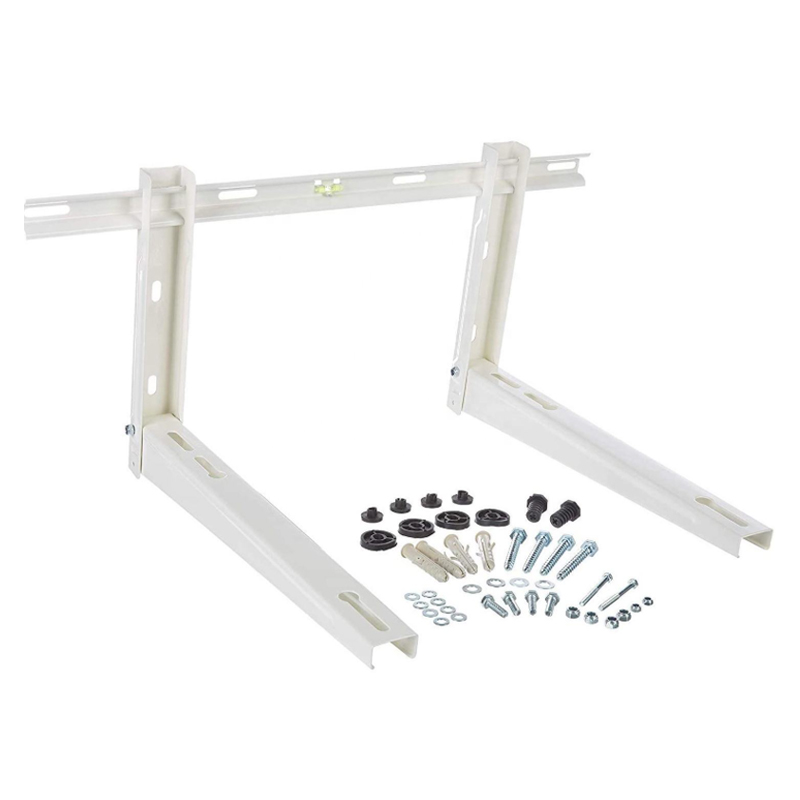 Stainless Steel Outdoor Air Conditioner Mounting BracketDurable stainless steel bracket for outdoor AC units, with customizable sizes and colors plus 200–250 kg load capacity.View Product →
Frequently asked questions
-
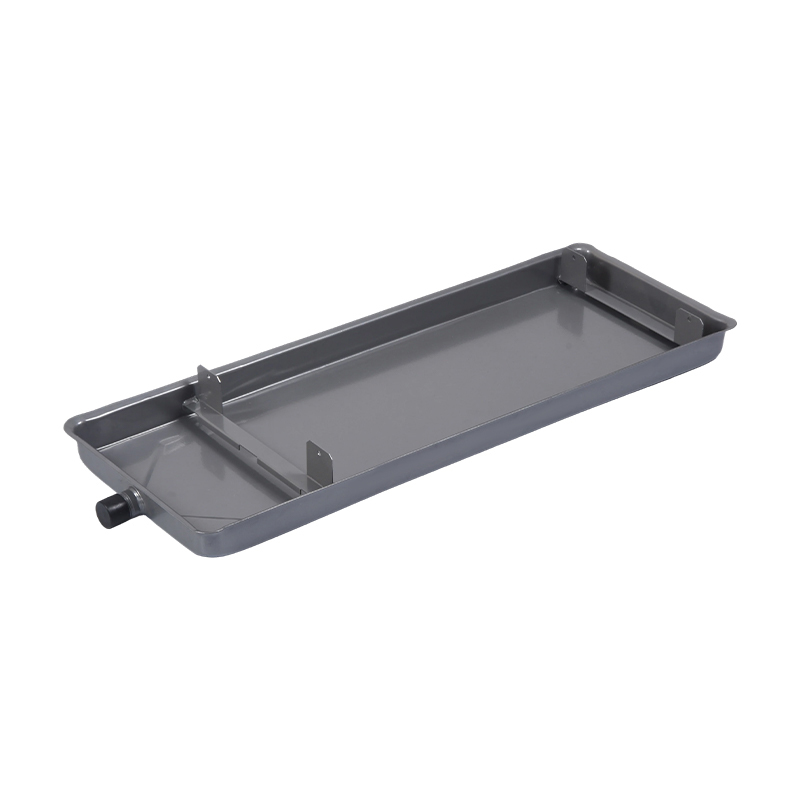
The air conditioner condensate tray is a critical ...
-
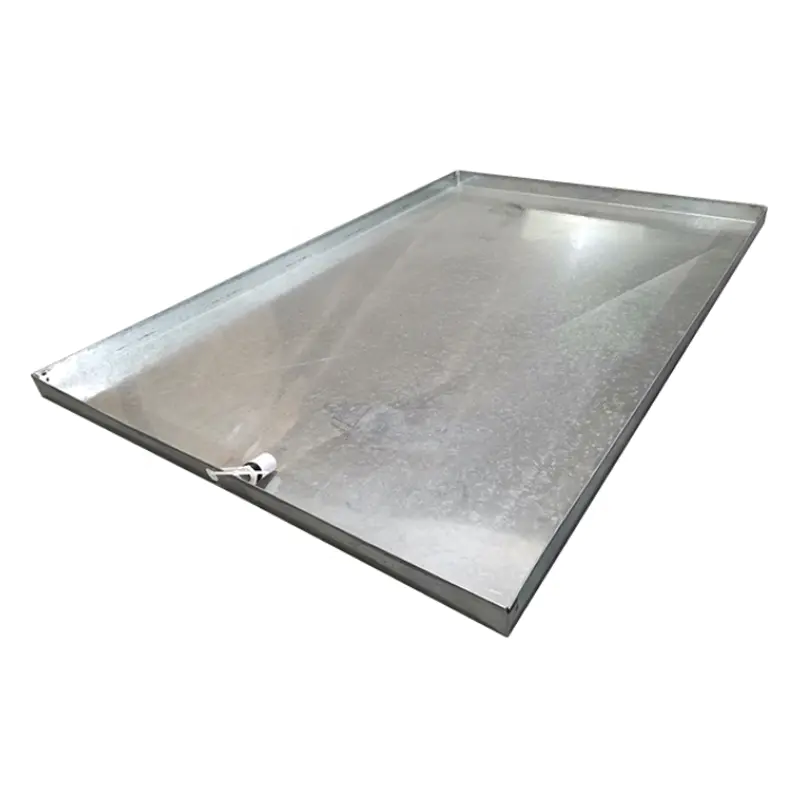
Galvanized Steel Condensate Collection Pans for Ai...
-
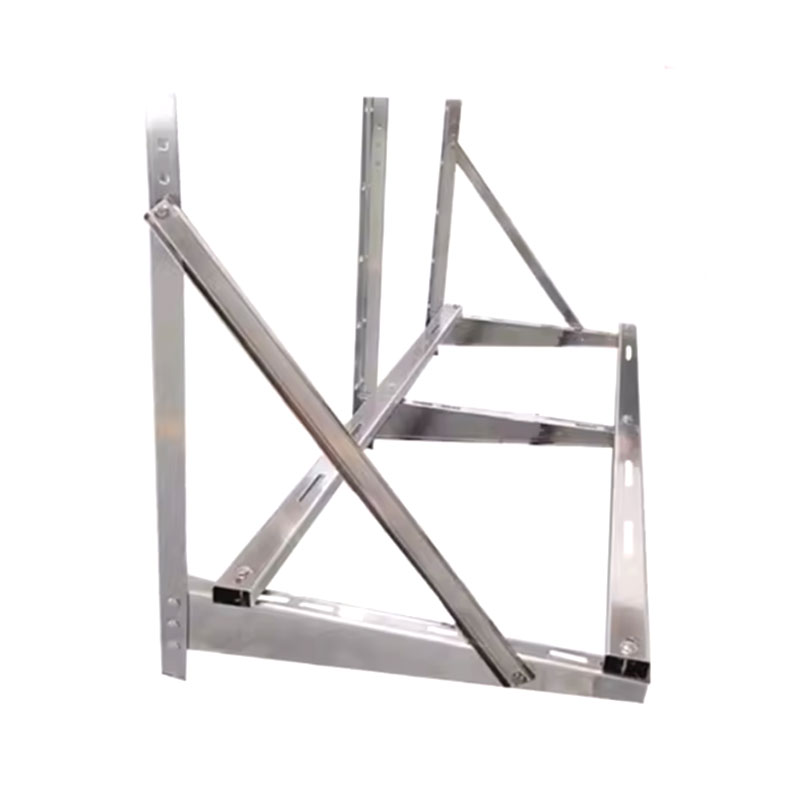
The Air Conditioner L Mounting Bracket is a profes...
-
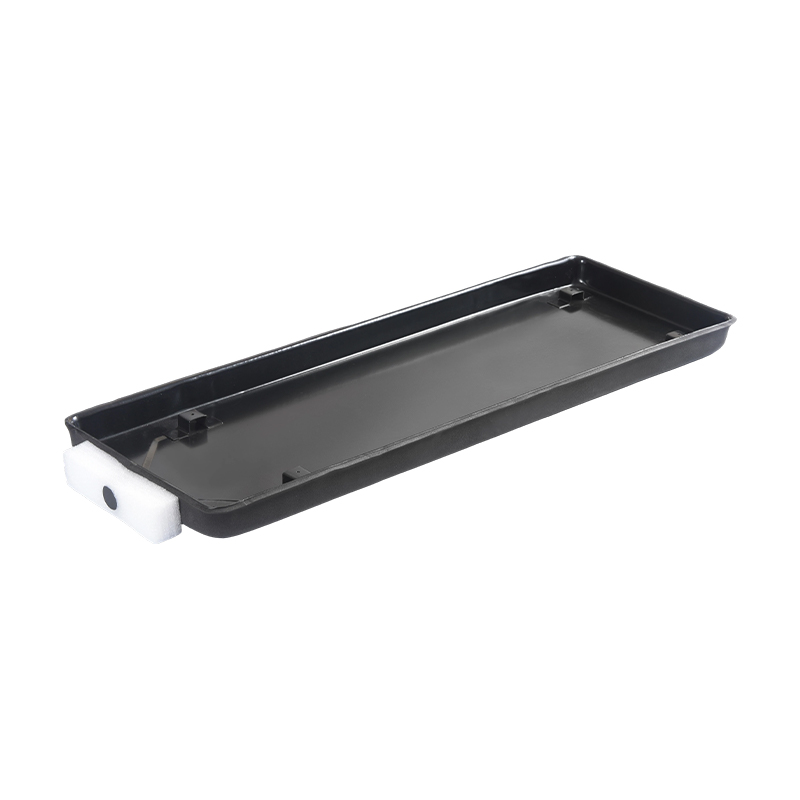
The Air Conditioner Drip Tray (HVAC Condensate Dra...
-
Detailed Description: Featuring a light brown open...
-
Detailed Description: Made with a cream pure handw...

Contact info.
+86 13577484091 [email protected]
+86 15967843486
[email protected]
 +86-0574-63301198
 +86 15967843486
 No. 939, Qiye Road, Zhouxiang Town, Cixi City, Ningbo City, Zhejiang Province, China
Hot Products
Stainless Steel Equipment & Folding BBQ Grill Series Air Conditioner Drain Pan And Outdoor Unit Bracket Ventilation FansGet A Free Quote
Copyright © 2025 by Cixi Chenfeng Electric Co., Ltd All Rights Reserved. Air Conditioner Parts Manufacturers Stainless Steel Sheet Metal Parts Factory
