

 English
  中文简体
中文简体  русский
  Français
  عربى
عربى  Español
Industry News
AC Condenser Drain Line Code: Key Requirements for HVAC Condensate Disposal
A Virginia HVAC installer was wrapping up a new construction project when the local inspector stopped at the outdoor condenser. The condensate drain line looked perfect: 3/4-inch PVC, properly pitched, and firmly supported. But the line tied directly into a laundry sink drain. The inspector cited IMC 307.2.1 – condensate drains must not connect directly to a plumbing drain, waste, or vent pipe. The fix required an air gap and a separate discharge path. This kind of code issue is common, and missing a single requirement can turn a routine installation into a failed inspection.
A code-compliant AC condenser drain line is not just a piece of pipe. It is a complete system that includes a drain pan, correctly sized piping, adequate slope, proper support, cleanout access, a trap and vent, insulation, and overflow protection. Understanding these requirements helps installers and designers avoid expensive rework and water damage.
Content
- 1 Key Code Requirements for AC Condenser Drain Lines
- 2 Why the Drain Pan Is the Foundation of a Code-Compliant Drain Line
- 3 Condensate Switches and Overflow Protection
- 4 Common Installation Mistakes and How to Avoid Them
- 5 Materials Comparison: Choosing the Right Drain Pan
- 6 Frequently Asked Questions
- 6.1 What is the minimum size for an AC condensate drain line?
- 6.2 Can a condensate drain connect directly to a plumbing drain?
- 6.3 How much slope does a condensate drain line need?
- 6.4 Why do I need a condensate switch?
- 6.5 What is the best material for an AC drain pan?
- 6.6 How do I clean a clogged AC drain line?
- 6.7 Should I insulate the condensate drain line?
- 6.8 Do I need a secondary drain pan?
Key Code Requirements for AC Condenser Drain Lines
The most referenced code sections for AC condensate disposal are found in the International Mechanical Code (IMC) at Chapter 307 and the International Plumbing Code (IPC) at Chapter 314. These codes define how condensate must be collected, conveyed, and discharged. The table below summarizes the core requirements.
| Code section | Requirement | Installation impact |
|---|---|---|
| IMC 307.2.2 | Minimum drain line diameter is 3/4 inch (19 mm) and not smaller than the drain pan connection. | Small pipes can clog; larger pans need larger outlets. |
| IMC 307.2.1 / IPC 314.2.1.1 | Condensate drains shall not directly connect to any plumbing drain, waste, or vent pipe. | An air gap is required to prevent sewer gas and backflow. |
| IMC 307.2.3 | Gravity drain piping must maintain a minimum slope of 1/8 inch per foot (1%). | Slope allows water to flow freely without pooling. |
| IMC 307.2.4 | Drain piping must be supported and have a removable connection for cleanout. | Sagging creates low spots that trap water and debris; cleanout simplifies maintenance. |
| IMC 307.2.5 / 307.2.6 | Insulation must be applied on cold areas where sweating could occur; a condensate switch or secondary pan is required for overflow protection. | Insulation prevents moisture damage; the switch shuts down the system on overflow. |
A drain line that meets these basic rules will prevent the most common failures: clogged lines, flooded attics, and mold growth.
Why the Drain Pan Is the Foundation of a Code-Compliant Drain Line
The drain pan collects condensate from the evaporator coil and directs it to the drain line. A poorly designed pan undermines every other code requirement. Material choice matters because the pan sits in a wet environment and must resist corrosion, support weight, and bridge between the coil and the piping. Common materials include stainless steel, galvanized steel, and aluminum. Stainless steel offers excellent corrosion resistance, galvanized steel provides a cost-effective balance, and aluminum is lightweight but less durable in constant moisture.
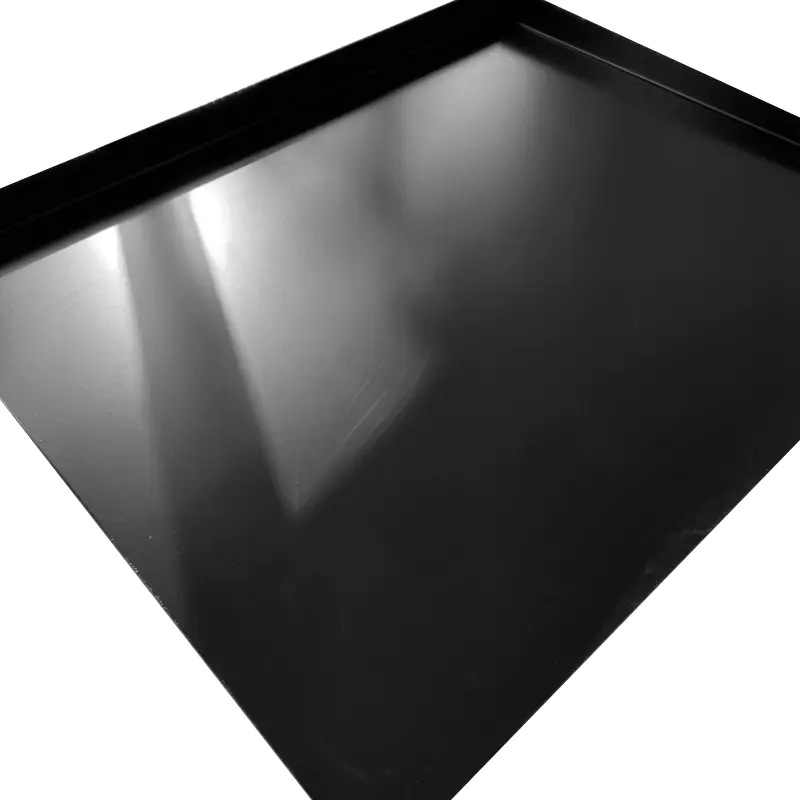
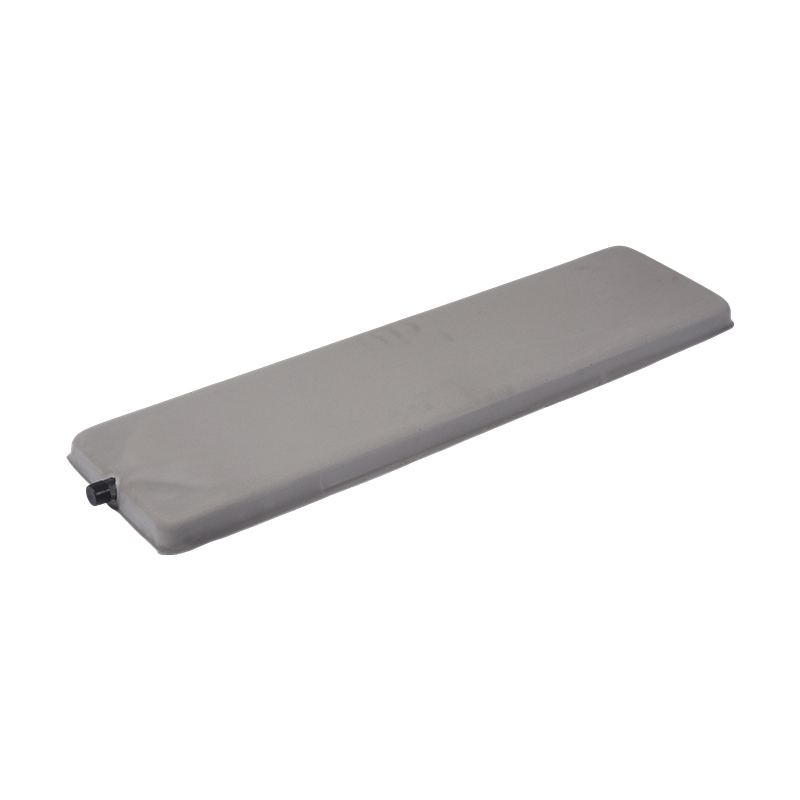 Stainless Steel Condensate Drain Pan for HVAC SystemsThis stainless steel tray collects condensate from evaporator coils, offering excellent corrosion resistance and durability. Its smooth interior and drainage slope prevent standing water, making it a reliable choice for demanding HVAC environments.View Product →
At Cixi Chenfeng Electric Co., Ltd., we are a professional enterprise in the electrical field, focusing on the development and production of central air conditioning accessories. We are a professional air conditioner parts manufacturer and sheet metal parts factory. With excellent technical strength, reliable product quality and good market reputation, the company occupies an important position in the central air conditioning accessories industry. We specialize in the production of air conditioning accessories and other custom sheet metal parts, including brackets, water trays, etc., with precision manufacturing and strict quality control, we provide solid quality assurance for air conditioning systems.
The drain pan must also connect to the drain line at the correct location. An incorrectly placed outlet causes standing water and overflow. The diagram below shows how the pan, pipe, trap, vent, and switch fit together in a compliant system.
The air gap at the discharge point prevents the condensate from mixing with plumbing drainage, while the float switch catches a blocked line before it floods the space.
Condensate Switches and Overflow Protection
Most new installations include a secondary drain pan and a condensate overflow switch. When the primary drain line clogs, water rises in the pan and triggers the switch, which either shuts down the system or sounds an alarm. Some codes require a secondary drain line or an overflow device for air handlers and condensate units. Installing a condensate switch is a low-cost step that prevents ceiling damage. The switch location must be above the pan and accessible for testing.
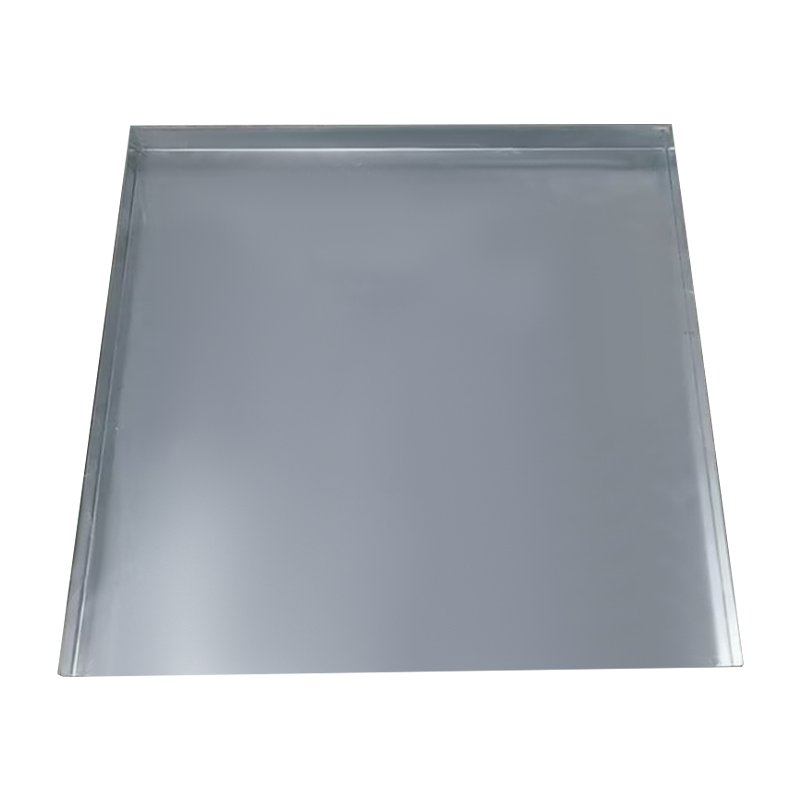 Galvanized Steel AC Drain Pan for Condensate CollectionA cost-effective galvanized steel pan that efficiently collects and drains condensate, helping prevent leaks. Its square design and optional coatings suit various HVAC installations, providing dependable performance for indoor projects.View Product →
Choosing the right pan makes overflow protection easier to integrate. A galvanized steel pan is often specified for cost-sensitive projects, but it must be paired with a reliable drain line to avoid problems.
Common Installation Mistakes and How to Avoid Them
Many code violations stem from simple, avoidable mistakes. Tightening a drain line too loosely causes leaks; over-tightening deforms the fitting. Using the wrong pipe diameter creates inadequate capacity. Adding too many elbows slows water flow. Connecting to a plumbing line without an air gap invites sewer gas. Not insulating the line on a cold wall causes sweating. A common problem is installing the drain line with too little slope. A minimum of 1/8 inch per foot is required; anything less fails. Always provide a cleanout or removable trap as specified.
- Never reduce the pipe size below the pan outlet.
- Use a fitting that allows a straight run where possible, keeping elbows to a minimum.
- Anchor the line every 4 to 6 feet to prevent sagging.
- Place the condensate switch so it is accessible for testing and service.
Materials Comparison: Choosing the Right Drain Pan
When selecting a drain pan for a new or retrofit condenser, consider the environment. A coastal installation with salt air demands stainless steel. An indoor unit in a conditioned space may use galvanized steel. A lightweight rooftop unit might benefit from aluminum. The chart below shows a relative comparison of these materials in corrosion resistance, which is the most critical property for condensate exposure. Ratings are indicative, based on general material properties, not specific product test results.
For humid coastal areas, stainless steel is a common choice for its long service life. For budget-driven indoor projects, galvanized steel provides dependable performance at a lower cost. Our factory in Cixi, Zhejiang, uses advanced sheet metal stamping machinery for custom drain pans, and we manufacture pans in stainless steel, galvanized steel, cold-rolled steel, and aluminum to match your requirements.
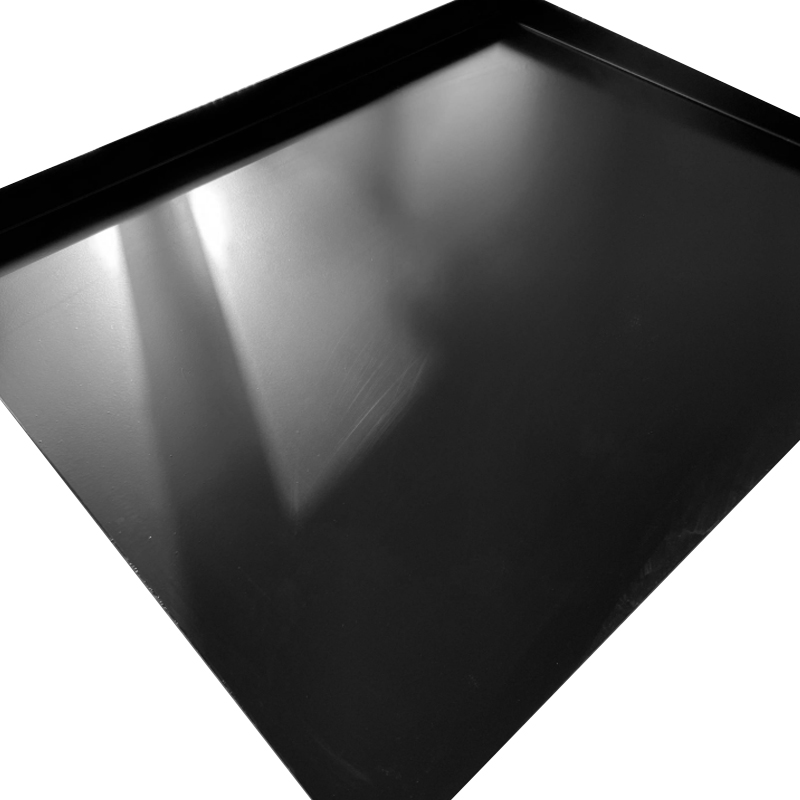 Custom Square Aluminum or Stainless Steel Drain PanAvailable in aluminum or stainless steel, this square drain pan offers corrosion resistance and customizable dimensions for residential or commercial use. It is suitable for capturing condensate and spills, with optional spray coating for added protection.View Product →
Frequently Asked Questions
What is the minimum size for an AC condensate drain line?
The minimum drain line diameter is 3/4 inch (19 mm) and must not be smaller than the drain pan outlet.
Can a condensate drain connect directly to a plumbing drain?
No. It must discharge through an air gap or other approved method, never directly into a plumbing drain, waste, or vent pipe.
How much slope does a condensate drain line need?
Gravity drain piping must slope at least 1/8 inch per foot (1%) to prevent water pooling.
Why do I need a condensate switch?
A condensate switch shuts down the system or triggers an alarm when the pan overflows, protecting ceilings and equipment.
What is the best material for an AC drain pan?
Stainless steel offers excellent corrosion resistance, galvanized steel is cost-effective, and aluminum is lightweight. Choose based on the environment.
How do I clean a clogged AC drain line?
Flush with water or a mild cleaner, use a wet/dry vacuum, and install a cleanout for easier maintenance.
Should I insulate the condensate drain line?
Yes. Insulate the line on cold surfaces to prevent sweating and moisture damage.
Do I need a secondary drain pan?
Many codes require a secondary pan or overflow switch for air handlers and condensate units to prevent water damage.
For a deeper understanding of how drain pans function in a system, read our comprehensive guide to HVAC drain pans.
-
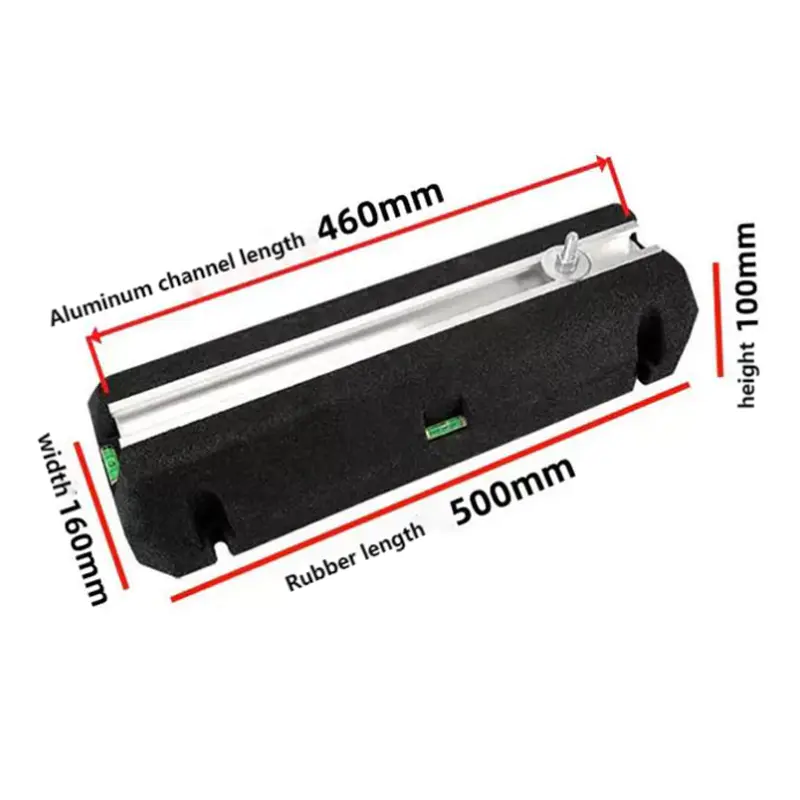
Our Rubber Vibration Isolator Pads for HVAC System...
-
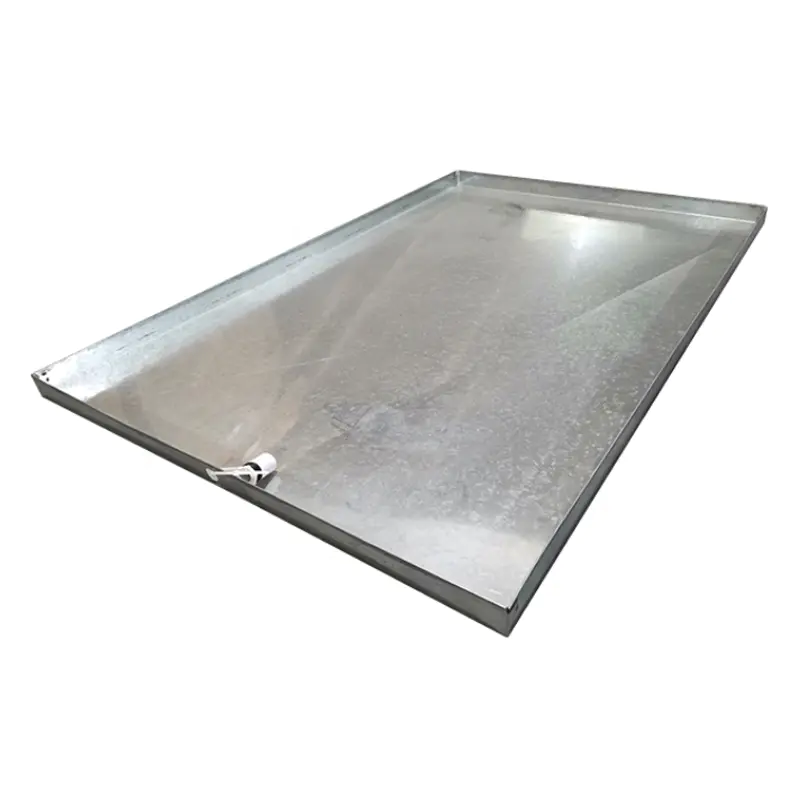
Galvanized Steel Condensate Collection Pans for Ai...
-
Galvanized Steel AC Drain Pans are specially desig...
-
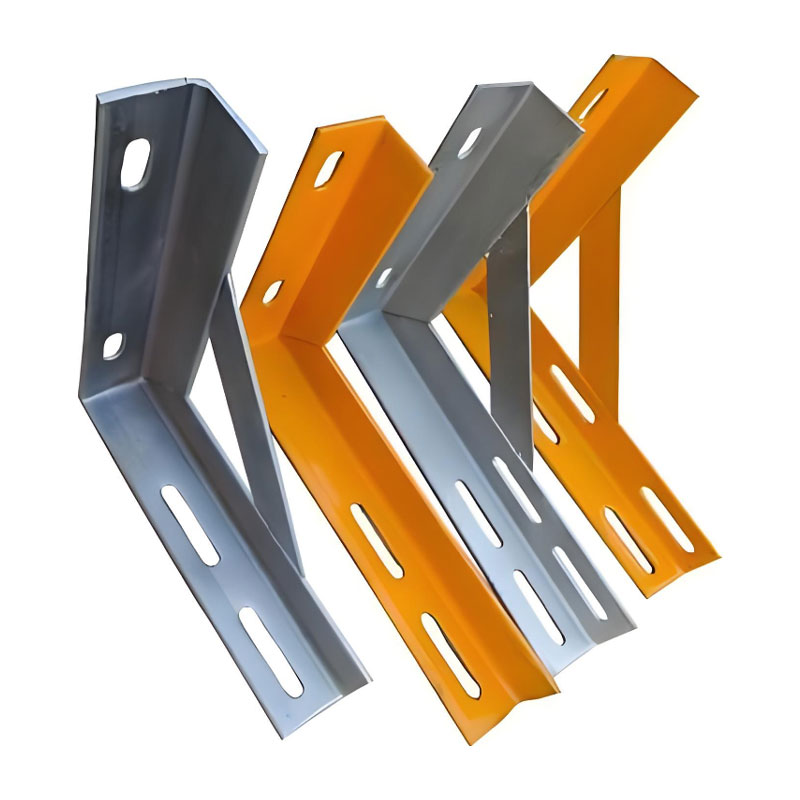
The L-Shaped Bracket for Natural Gas Pipes is a re...
-
Stainless Steel (201) Price: 8 USD (Other material...
-
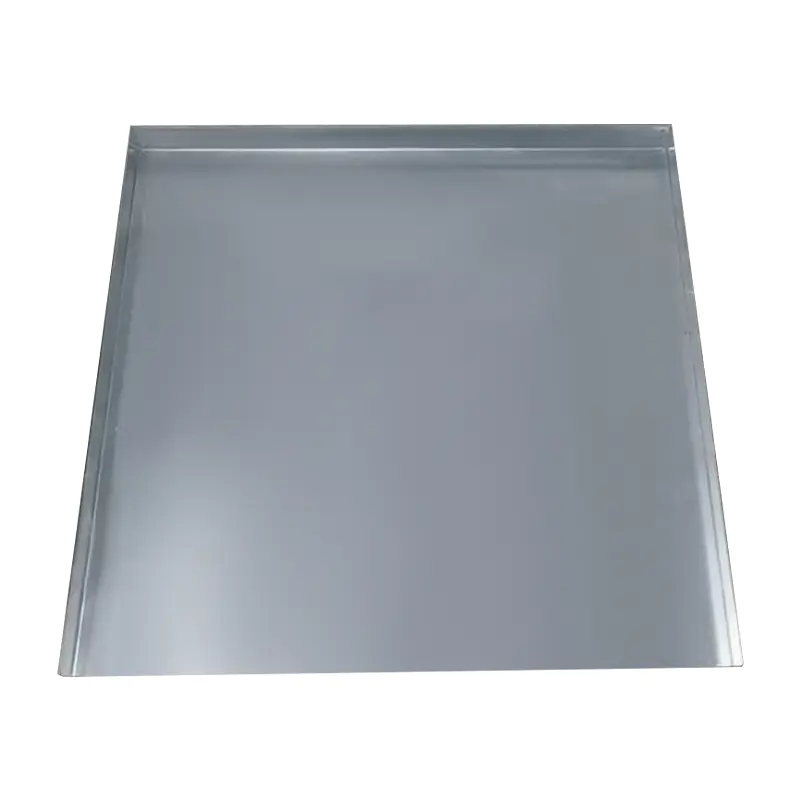
Custom Square Aluminum & Stainless Steel Drain...


Contact info.
+86 17398066504 [email protected]
+86 17398066504
[email protected]
[email protected]
+86 17398066504
[email protected]
 +86-0574-63301198
 +86-13706742730
 No. 939, Qiye Road, Zhouxiang Town, Cixi City, Ningbo City, Zhejiang Province, China
Hot Products
Stainless Steel Equipment & Folding BBQ Grill Series Air Conditioner Drain Pan And Outdoor Unit Bracket Ventilation FansGet A Free Quote
Copyright © 2025 by Cixi Chenfeng Electric Co., Ltd All Rights Reserved. Air Conditioner Parts Manufacturers Stainless Steel Sheet Metal Parts Factory
