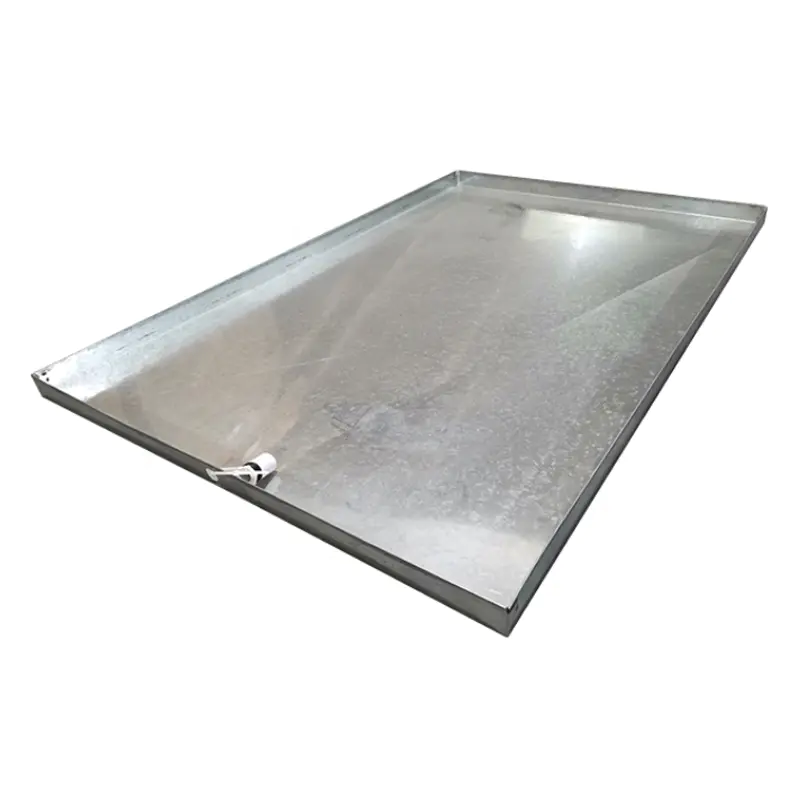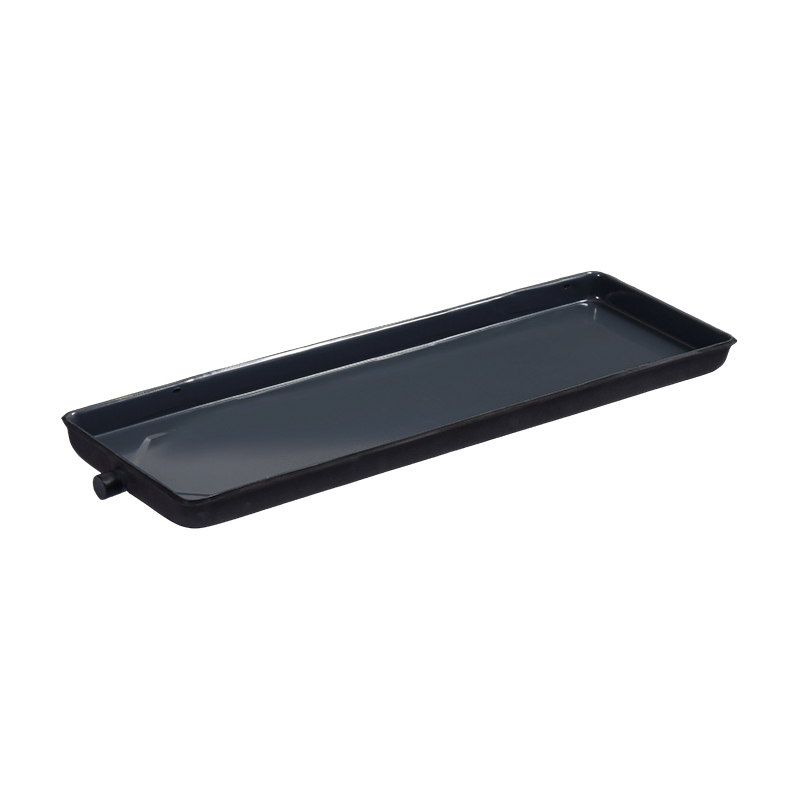
The global HVAC drain pan market was valued at USD 1.2 billion in 2025 and is projected to reach USD 1.9 billion by 2034, growing at a CAGR of 5.2%. As HVAC systems become more efficient and widely adopted across commercial and residential sectors, the demand for reliable air conditioner drain pans has never been higher. A properly designed drain pan prevents water damage, inhibits mold growth, and extends equipment life—making the selection process critical for contractors, facility managers, and OEM buyers.
This guide presents the 10 most critical questions that HVAC professionals and procurement specialists ask before committing to an air conditioner drain pan supplier. Each answer delivers practical, data-backed insights to help you source with confidence and ensure long-term system reliability.
Content
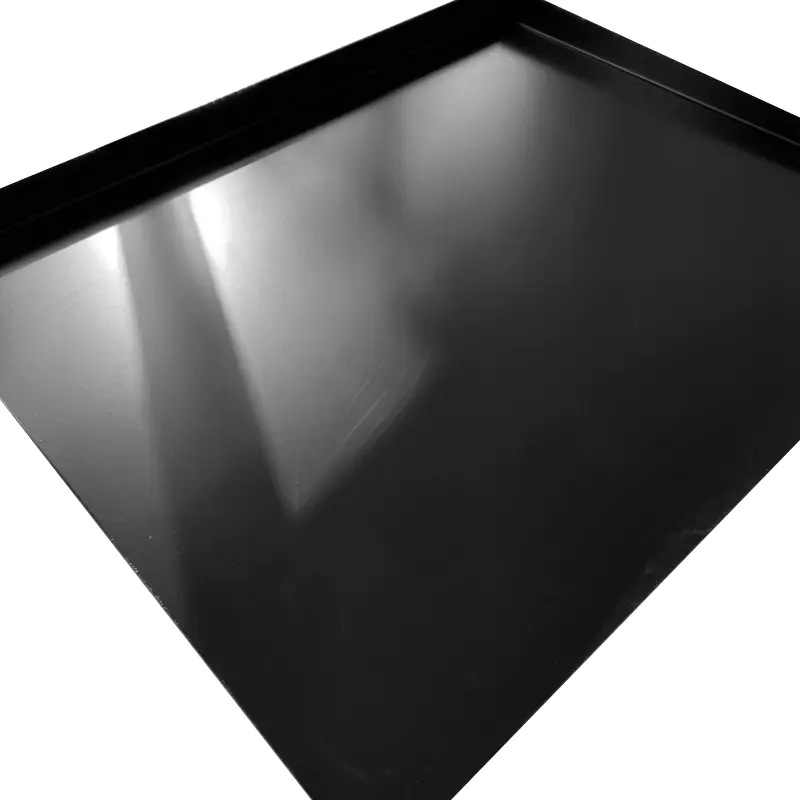
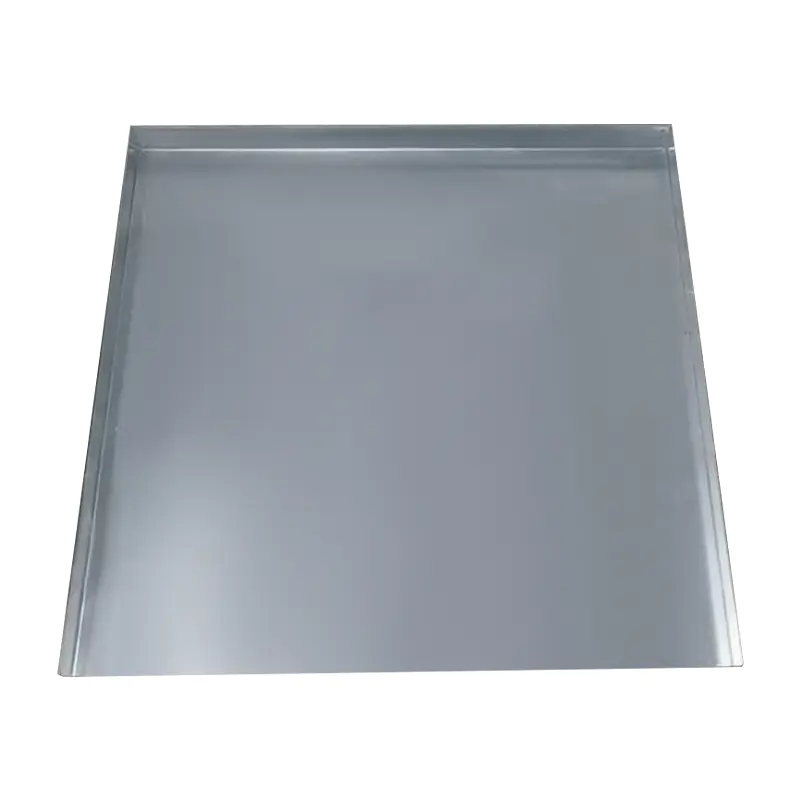
Galvanized steel drain pans hold 47% of the market, followed by stainless steel (31%) and aluminum (15%). The custom-sized segment is growing at 6.8% annually as HVAC systems become more varied in design.
Direct answer: An air conditioner drain pan is a shallow tray positioned beneath the evaporator coil or condensing unit that collects condensate (moisture) produced during the cooling process, channeling it safely away to prevent water damage, corrosion, and mold growth.
The drain pan is a critical but often overlooked component of HVAC systems. A 2025 study by the Air Conditioning Contractors of America found that 34% of HVAC water damage claims were traced to failed or improperly sized drain pans, resulting in significant repair costs and business interruption. The primary functions of the drain pan include:
For commercial buildings, the failure of a single drain pan can lead to thousands of dollars in ceiling, flooring, and mold remediation costs, making the selection of a high-quality, properly sized pan a smart investment.
Direct answer: Stainless steel offers the best corrosion resistance and durability, followed by galvanized steel (cost-effective with adequate protection) and aluminum (lightweight). The choice depends on the application environment, condensate pH, and expected service life.
Material selection directly impacts service life. A 2025 corrosion study found that stainless steel 304 drain pans last an average of 18.5 years in commercial HVAC applications, compared to 9.2 years for galvanized steel and 10.1 years for aluminum. In environments with acidic condensate (common in high-efficiency systems), stainless steel's superior resistance to pitting corrosion makes it the premium choice. Galvanized steel with proper coating remains the most widely used due to its cost-to-performance ratio.
Recommendation: For coastal or industrial environments, specify 304 or 316 stainless steel. For standard commercial applications, high-quality galvanized steel with a G90 coating provides excellent value.
Direct answer: A full drain pan is typically caused by a clogged drain line, improper pitch (slope), oversized pan relative to condensate production, or a failed condensate pump. Prevention requires proper sizing, correct installation slope (1/4" per foot toward the drain), and regular maintenance.
Standing water in an air conditioner drain pan is the leading indicator of a problem. Industry data from 2025 shows that 62% of drain pan water-related service calls are traced to blockages in the condensate line, while 18% are due to improper pan slope. To prevent water accumulation:
Proactive tip: During routine maintenance, always check that the drain pan drain holes are clear and that the pan is free of rust, debris, or damage. A small investment in maintenance can prevent costly water damage.
Direct answer: Replacement intervals depend on material: galvanized steel pans typically last 7–10 years, aluminum pans 10–12 years, and stainless steel pans 15–20+ years. However, visual inspection should be performed annually to check for signs of corrosion, cracks, or pitting.
Proactive replacement is far more cost-effective than reactive repairs. A 2025 cost analysis showed that replacing a drain pan proactively costs an average of $85–150 per unit, while water damage remediation from a failed pan averages $1,200–3,500 in commercial settings. The relationship between material and lifespan is illustrated below:
Inspection checklist: Look for rust spots, pinhole leaks, cracks at corners, and degraded coating. Any of these signs indicate it's time for replacement—especially if the pan has exceeded its expected lifespan.
Direct answer: Minor surface rust can sometimes be treated with corrosion-inhibiting coatings, but any rust that has penetrated through the metal or caused pitting requires complete replacement. Structural integrity is compromised once rust forms holes or weakens the pan floor.
Repairing a rusted drain pan is rarely cost-effective. A 2025 repair vs. replace cost analysis showed that labor and materials to repair a moderately rusted pan average 60% of the cost of a new replacement pan, with no guarantee of longevity. The primary reason is that rust weakens the metal's structural integrity, and patching often fails within 12–18 months. For galvanized steel pans, once the zinc coating is compromised, accelerated corrosion follows. Stainless steel pans generally don't rust but can suffer from crevice corrosion in poorly designed joints.
Best practice: When replacing, consider upgrading to stainless steel to avoid future corrosion issues—especially in humid climates or environments with aggressive condensate (low pH).
Direct answer: HVAC drain pans can be custom-fabricated in virtually any size and shape—from small 12"×12" square pans for residential units to large 48"×96" rectangular pans for commercial rooftop units. Customization includes depth, drain hole location, and mounting options.
The ability to customize air conditioner drain pans is essential for non-standard installations. A 2025 survey of HVAC contractors found that 73% of commercial installations require at least one custom-sized pan, due to varied equipment footprints and space constraints. Common custom features include:
Customization advantage: Working with a manufacturer like Cixi Chenfeng Electric Co., Ltd. ensures you get a pan that fits perfectly, with precise drain placement and optional features like mounting flanges or insulation that are often not available in off-the-shelf products.
Direct answer: Standard lead time for custom HVAC drain pans is 10–15 working days for fabrication, plus 3–5 days for shipping. Expedited options may be available for emergency replacements, with some suppliers offering 3–5 day turnaround for common sizes.
Lead time is a critical factor in minimizing system downtime. A 2025 analysis of emergency drain pan replacements found that each additional day of downtime for a commercial HVAC system costs an average of $350–700 in lost productivity and product damage. Factors affecting lead time include:
Planning tip: For critical infrastructure, maintain a spare drain pan in your inventory or have a preferred supplier on standby for emergency service. Cixi Chenfeng Electric Co., Ltd. offers expedited services for urgent requirements.
Direct answer: The choice depends on budget, environment, and expected service life. Galvanized steel is the most cost-effective for standard indoor applications. Stainless steel is the premium choice for corrosive environments (coastal, industrial) and long-term reliability. Aluminum offers a lightweight, corrosion-resistant option for rooftop units.
A 2025 HVAC industry study compared the total cost of ownership (TCO) of the three materials over a 20-year period. Stainless steel 304 showed the lowest TCO due to its longer service life and zero maintenance requirements, despite a higher initial cost. Galvanized steel had the lowest upfront cost but required replacement at year 9–10, while aluminum offered a mid-range option with good corrosion resistance.
Guidance: For most commercial indoor applications, galvanized steel is the most economical choice. For food processing, hospitals, or coastal areas, stainless steel is strongly recommended. For rooftop units where weight is a concern, aluminum provides a good balance.
Direct answer: Yes—experienced manufacturers offer full custom design services including CAD modeling, material selection, and prototype fabrication. Custom features can include integrated drain fittings, mounting brackets, insulation, and even secondary containment systems.
Non-standard HVAC equipment often requires unique drain pan solutions. A 2025 industry report indicated that 41% of custom drain pan orders involved non-rectangular shapes (L-shaped, U-shaped, or irregular profiles) to accommodate equipment layouts in confined spaces. Custom engineering services include:
Cixi Chenfeng Electric Co., Ltd. specializes in custom HVAC drain pans, working from customer drawings or site measurements to deliver exact-fit solutions for any application.
Direct answer: Evaluate suppliers on their customization capabilities, material quality, production capacity, quality control, and track record with similar applications. Look for manufacturers with experience in HVAC accessory production and a commitment to dimensional accuracy.
Selecting the right partner ensures consistent quality and reliable delivery. A 2025 supply chain study found that HVAC contractors who use specialized drain pan manufacturers experience 43% fewer installation issues compared to those using generic suppliers. Key evaluation criteria include:
| Criterion | Why It Matters | What to Look For |
|---|---|---|
| Customization | Ensures perfect fit and function | CAD support, multiple materials, flexible sizing |
| Quality Control | Prevents leaks and premature failure | ISO 9001, in-process inspection, leak testing |
| Material Sourcing | Ensures corrosion resistance and longevity | Grade certification, coated steel, mill test reports |
| Experience | Industry knowledge and proven reliability | Years in HVAC, client portfolio, sector expertise |
Cixi Chenfeng Electric Co., Ltd. is a professional enterprise in the electrical field, focusing on the development and production of central air conditioning accessories. With strong technical capabilities, reliable quality, and a solid market reputation, the company occupies a significant position in the central air conditioning accessories industry. As a trusted supplier of OEM and ODM drain pan solutions, Cixi Chenfeng provides custom-sized drain pans in galvanized steel, stainless steel, and aluminum, serving HVAC contractors, facility managers, and OEM clients worldwide.
Q1: What is an air conditioner drain pan?
An air conditioner drain pan is a tray positioned beneath the evaporator coil or condensing unit that collects and directs condensation away from HVAC equipment.
Q2: What does an AC drain pan do?
It collects moisture produced during the cooling process and channels it to the drain line, preventing water damage to surrounding structures and equipment.
Q3: Why is my AC drain pan full of water?
Typically due to a clogged drain line, improper slope, oversized pan, or failed condensate pump. Regular maintenance can prevent this condition.
Q4: How often should an AC drain pan be replaced?
Galvanized steel: 7–10 years, aluminum: 10–12 years, stainless steel: 15–20+ years. Replace when rust, cracks, or pitting are visible.
Q5: Can a rusted drain pan be repaired?
Minor surface rust can be treated, but any rust that has penetrated the metal requires full replacement to ensure structural integrity.
Q6: What material is best for an AC drain pan?
Stainless steel offers the best corrosion resistance and durability. Galvanized steel is the most cost-effective, while aluminum provides a lightweight alternative.
Q7: Can drain pans be customized?
Yes—custom sizes, shapes, drain locations, and features like insulation or mounting flanges are available through OEM suppliers like Cixi Chenfeng.
Q8: What is the typical lead time for custom orders?
Standard lead time is 10–15 working days for fabrication, with expedited options available for emergency replacements.
Custom HVAC Drain Pans Global Boom! Chenfeng Multi-Material AC Drip Trays Hot Selling in Europe, America & Southeast Asia
Jul 09,2026Top 10 Questions to Ask Before Buying HVAC Drain Pans
Jul 09,2026Market Demand for Custom HVAC Drain Pans & AC Brackets in Europe, America and Southeast Asia
Jul 08,2026Contact info.
+86 15967843486
[email protected]
+86 15967843486
[email protected]
+86-0574-63301198
+86-13706742730
No. 939, Qiye Road, Zhouxiang Town, Cixi City, Ningbo City, Zhejiang Province, China
Get A Free Quote
Copyright © 2025 by Cixi Chenfeng Electric Co., Ltd All Rights Reserved. Air Conditioner Parts Manufacturers Stainless Steel Sheet Metal Parts Factory