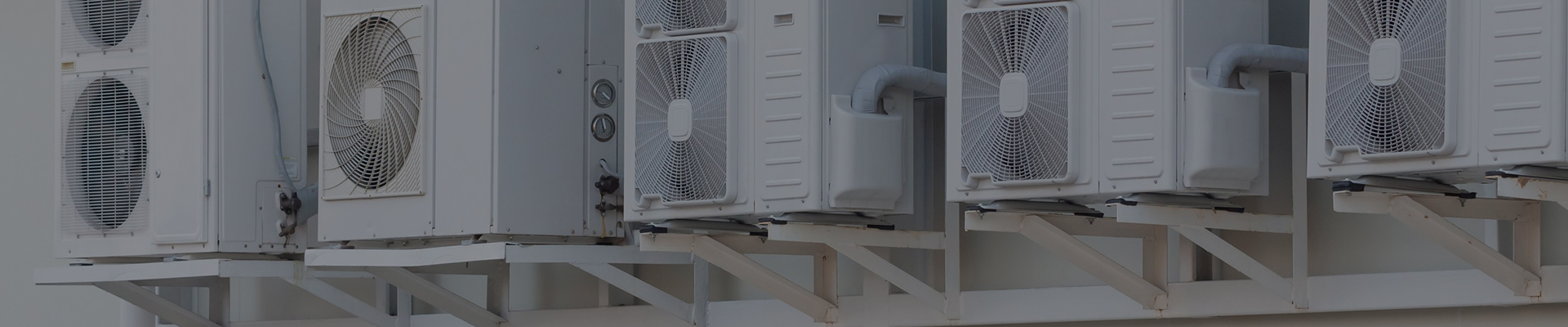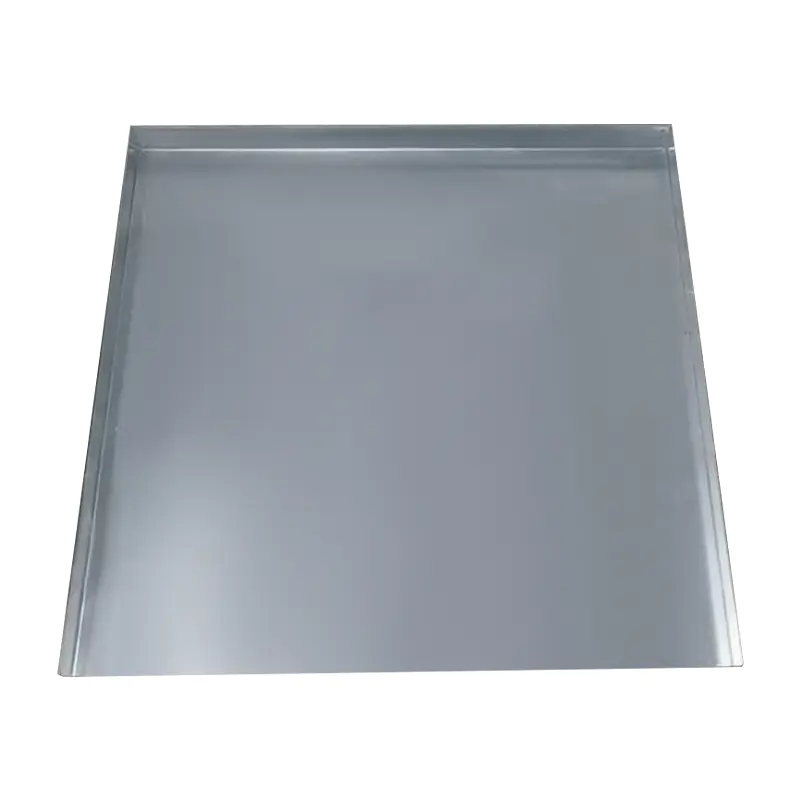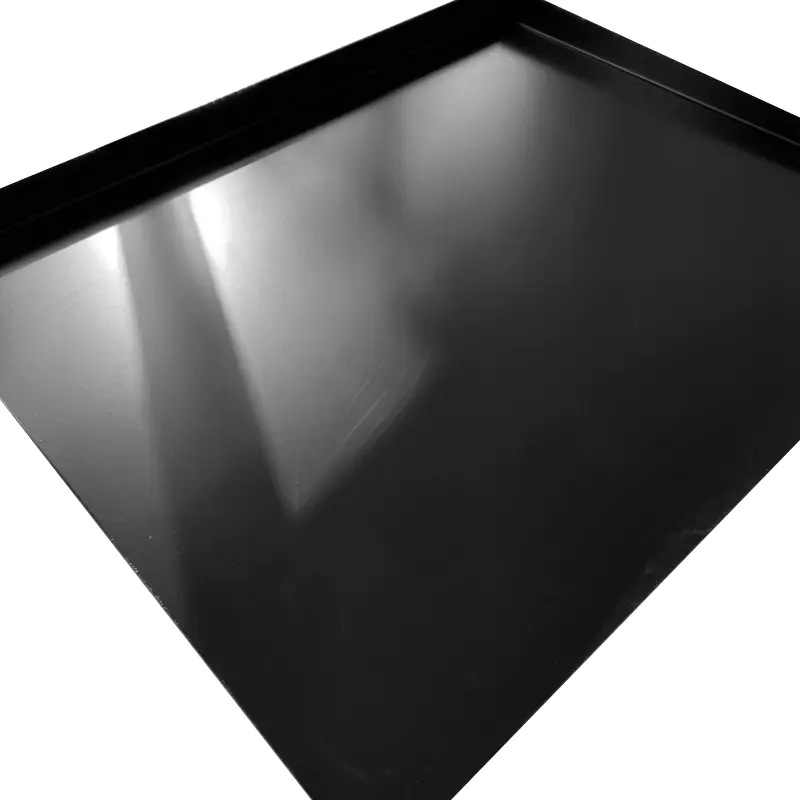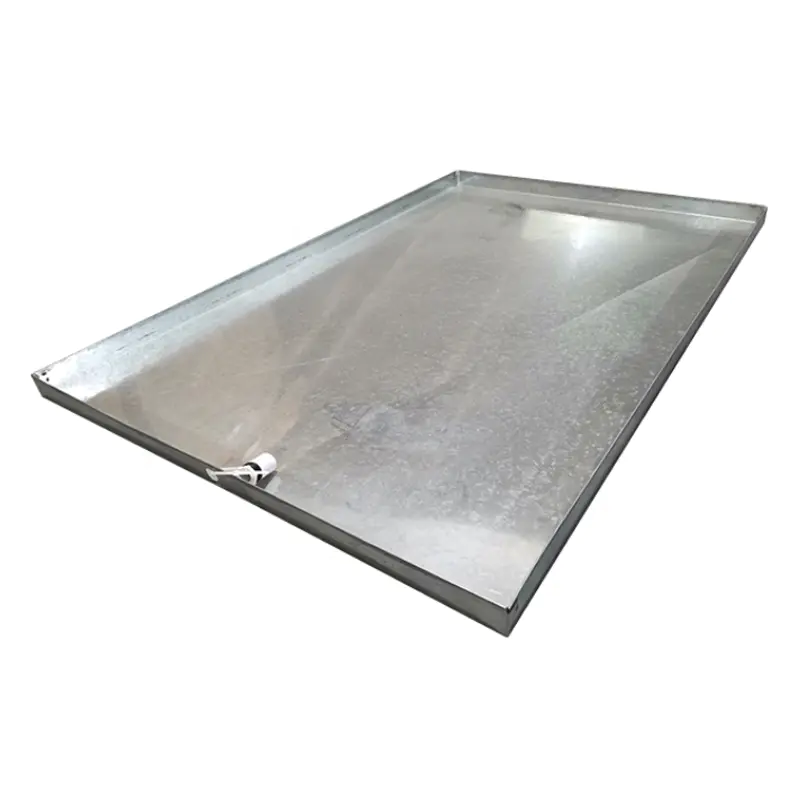
The direct answer: a correctly specified, properly installed, and routinely maintained HVAC drain pan system reduces HVAC-related water damage incidents by up to 40% compared to systems with undersized, degraded, or improperly sloped pans. This figure comes from property insurance and facility management data showing that condensate overflow — not refrigerant leaks or mechanical failure — is the single most common source of water damage in buildings with central air conditioning. The fix is specific and practical: match the pan size and material to the unit's condensate output, add a secondary drain pan HVAC backup where ceiling-mounted units create overhead water risk, and implement a quarterly maintenance schedule.
This guide covers every element of that framework — from how HVAC condensate drain pans work and why they fail, through material selection, installation requirements, secondary pan configuration, and the maintenance steps that keep the system performing at full protection capacity in 2026.
Content
Every air conditioning system that cools air below its dew point produces condensate — liquid water that forms on the cold evaporator coil surface and drips into the HVAC drain pan below. In a typical residential split system, this amounts to 5 to 20 liters of condensate per day depending on humidity levels and runtime. In a commercial rooftop or ceiling-mounted unit serving a large zone, daily condensate output can reach 50–150 liters.
This water is harmless when the primary drain line flows freely from the pan to the drain point. The problem arises in four common scenarios that together account for the majority of overflow events:
Understanding these failure modes is the foundation for selecting and configuring a drain pan system that eliminates rather than merely delays water damage risk.
Most HVAC systems ship with a primary air conditioner drain pan integrated into or directly under the evaporator coil assembly. This pan handles normal condensate drainage. A secondary drain pan HVAC is a separate, larger containment pan installed beneath the entire air handler or evaporator unit — designed to catch any overflow from the primary pan before it reaches the structure.
The International Mechanical Code (IMC) and most local building codes require a secondary drain pan or equivalent overflow protection whenever an HVAC unit is installed in a location where condensate overflow would cause damage to the structure or create a safety hazard. This includes:
Even where not explicitly required by code, adding a secondary pan with an overflow sensor is best practice for any unit installed where overflow would be costly or dangerous. The incremental installation cost is minimal compared to the damage prevention value — property insurers consistently document that secondary pan systems reduce average water damage claim severity by 35–42% in HVAC-related events.
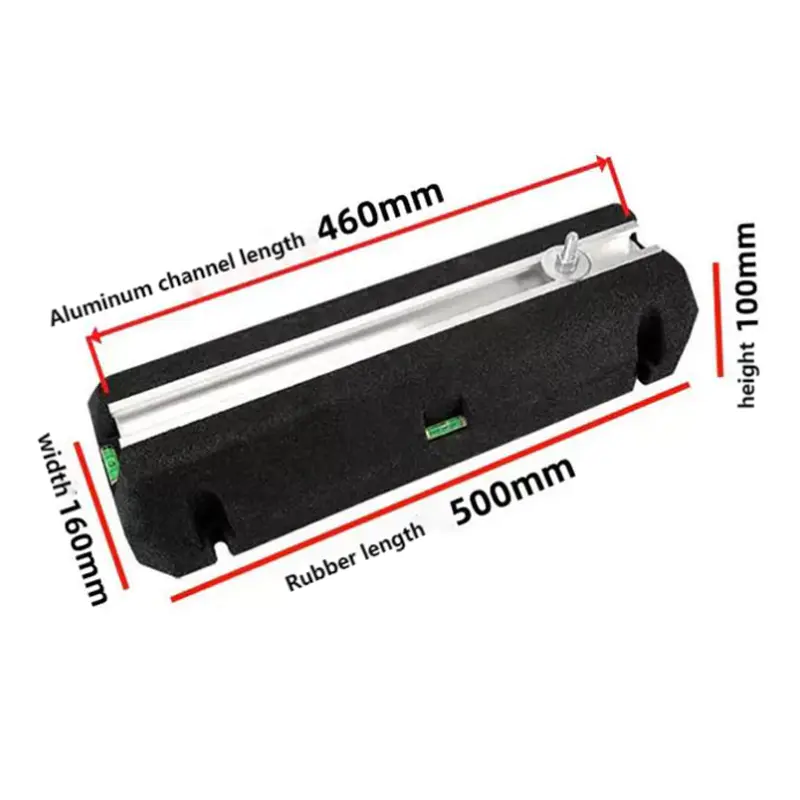
The secondary pan must extend at least 75 mm (3 inches) beyond the footprint of the air handler on all sides to catch any overflow or lateral drip from the primary pan or unit casing. Depth should be a minimum of 38 mm (1.5 inches) to provide meaningful holding volume before the secondary drain or sensor activates. For large commercial units with high condensate output, secondary pans should be sized to hold at least 2 hours of maximum condensate production — sufficient time for a maintenance alert to be received and acted upon.
The material of an air conditioner drain pan determines its service life, corrosion resistance, weight, and suitability for different installation configurations. The three dominant materials in 2026 are galvanized steel, ABS/PVC thermoplastic, and stainless steel — each with distinct advantages and limitations.
| Material | Typical Service Life | Corrosion Resistance | Weight | Best Application |
|---|---|---|---|---|
| Galvanized Steel | 5–10 years | Moderate — corrodes in high-humidity or acidic condensate environments | Heavy | Ground-level commercial units, low-humidity climates |
| ABS / PVC Plastic | 10–20 years | Excellent — immune to corrosion; UV-resistant grades available | Light | Residential, attic installs, secondary pans, retrofit replacement |
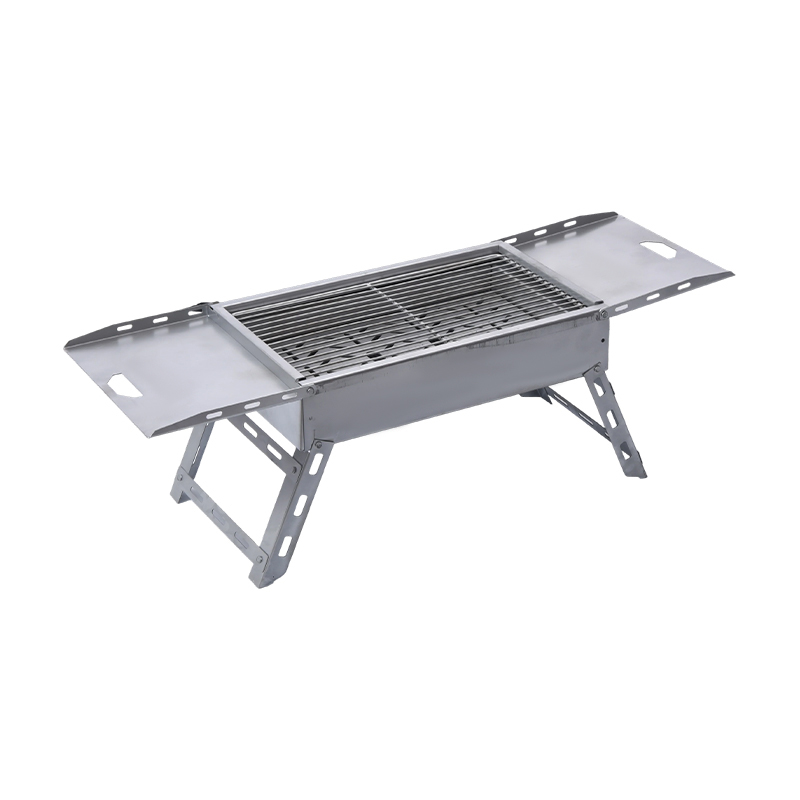
| Stainless Steel (304) | 20+ years | Excellent — resists acidic condensate, chlorides, and biological fouling | Medium-Heavy | Commercial, hospital, coastal, and food-service environments |
For most residential and light commercial applications, ABS plastic pans offer the best combination of longevity, corrosion immunity, and ease of installation. For secondary pans in critical environments — hospitals, data centers, coastal properties — 304 stainless steel provides the highest long-term reliability despite the higher initial weight. Galvanized steel, while widely available, should be inspected annually for rust-through in the pan bottom, which is the most common failure point in humid climates.
An undersized HVAC condensate drain pan overflows before the drain line clears the water volume during peak condensate events — creating the exact problem the pan is meant to prevent. Sizing correctly requires knowing the unit's maximum condensate output and the primary drain line's flow capacity.
A practical rule of thumb for residential and light commercial systems: each ton (12,000 BTU/hr) of cooling capacity produces approximately 0.5 to 1.0 liters of condensate per hour under high-humidity conditions (above 60% relative humidity). A 3-ton residential system can produce 1.5 to 3.0 liters per hour — up to 72 liters in a 24-hour high-humidity period. The primary pan must have sufficient volume to buffer at least 15–30 minutes of this output while the drain line clears, allowing for minor blockages to self-clear before overflow occurs.
Primary pan depth should be a minimum of 25 mm (1 inch) for residential systems and 38–50 mm (1.5–2 inches) for commercial systems with higher condensate output. The primary drain line should be sized to flow at least 3× the maximum condensate production rate — a 3/4-inch (19 mm) drain line at 1/4-inch-per-foot slope flows approximately 15 liters per minute, which is more than adequate for most residential applications. Commercial systems producing over 5 liters per hour require 1-inch (25 mm) minimum primary drain lines.
A correctly sized and installed air conditioner drain pan contains the water. An overflow sensor converts that containment into an active alert — shutting down the system or notifying maintenance before overflow occurs. The combination of a quality pan and a reliable sensor is what moves the needle from passive protection to the 40% damage reduction documented in facilities management data.
A float switch mounts inside the secondary drain pan at a set water level. When rising water lifts the float, the switch opens the HVAC control circuit — shutting off the air handler compressor and fan before overflow occurs. Float switches are simple, reliable, and require no power source beyond the HVAC control circuit. They trigger at a water level typically set 10–15 mm below the pan rim, providing a containment buffer before the system shuts down. Installation takes under 30 minutes and requires only basic wiring access to the control board.
Electronic sensors use a moisture-detecting probe positioned at the pan floor. Any water contact completes the circuit and triggers the alarm or shutdown signal. These sensors respond faster than float switches — detecting water presence at as little as 2–3 mm depth rather than waiting for water to accumulate to float-trigger level. Electronic sensors also send remote alerts via building automation systems or smartphone apps, enabling proactive maintenance response before the system shuts down entirely.
Place the primary sensor in the secondary pan — this is the last line of containment before water reaches the structure. A second sensor in the primary pan provides earlier warning and can trigger a maintenance alert without shutting down the system immediately, allowing maintenance to clear the drain before the secondary pan is involved. This two-sensor configuration is standard in commercial building automation systems and is increasingly practical for residential smart home integrations in 2026.
The 40% water damage reduction is not a one-time installation benefit — it requires maintenance to sustain. A clogged drain line, corroded pan, or failed sensor returns the system to the same risk level as no protection. The following schedule is calibrated to the failure rates of each component.
Cixi Chenfeng Electric Co., Ltd. is a professional enterprise in the electrical field, focusing on the development and production of central air conditioning accessories. As a professional China HVAC drain pan manufacturer and air conditioner drain pans factory, the company provides wholesale ODM and OEM customization services to meet diverse customer specifications.
With excellent technical strength, reliable product quality, and a strong market reputation, Cixi Chenfeng Electric occupies an important position in the central air conditioning accessories industry. The company's product range covers the full spectrum of condensate management components — from primary integrated drain pans and secondary containment pans through overflow sensors and drain line accessories — supporting HVAC installers, system integrators, and property managers with solutions that meet the demanding requirements of residential, commercial, and industrial air conditioning applications worldwide.
Q1: How do I know if my HVAC drain pan is failing before it causes water damage?
Four early warning signs indicate pan problems before overflow occurs: visible standing water in the primary pan 24+ hours after the system last ran; rust staining or discoloration on the pan exterior or surrounding structure; musty odor near the air handler (indicating algae growth in the pan or drain line); and visible cracks, warping, or corrosion spots on the pan surface. Monthly visual inspection during cooling season catches all four of these indicators early — before water reaches the structure.
Q2: Can I replace just the HVAC drain pan without replacing the entire air handler?
Yes — in most cases the primary drain pan is replaceable without replacing the air handler. For split systems, the evaporator coil assembly typically lifts out of the air handler cabinet after disconnecting refrigerant lines, allowing pan replacement. For package units and self-contained systems, pan replacement is simpler as the pan is usually accessible from the bottom or side panel. Secondary drain pans (external containment pans) are always standalone components and are replaced independently. Always confirm compatibility with your specific unit model before ordering a replacement pan.
Q3: How often should the primary drain line be cleaned to prevent blockage?
In humid climates (above 60% average relative humidity during cooling season), quarterly drain line flushing is the minimum recommended interval. In drier climates or systems with algae-prevention tablets in the pan, semi-annual flushing is generally sufficient. Systems in coastal environments, those serving buildings with high occupancy, or units that run near-continuously during summer should be cleaned monthly during peak season. Algae growth — the primary cause of blockage — accelerates significantly above 25°C (77°F), so systems that run hardest in hot humid weather need the most frequent attention.
Q4: What size secondary drain pan do I need for an attic air handler?
The secondary pan must extend at least 75 mm (3 inches) beyond the air handler footprint on all four sides, with a minimum depth of 38 mm (1.5 inches). For a typical residential 3–5 ton air handler, this means a secondary pan of approximately 900 mm × 1,200 mm (36 × 48 inches) for most unit sizes. Always measure the specific unit footprint before ordering — air handler dimensions vary by manufacturer and model. The secondary pan should also have a dedicated drain outlet (not shared with the primary drain) connected to a separate visible discharge point so that secondary pan activation is immediately obvious to the occupant.
Q5: Does an HVAC condensate drain pan require a dedicated drain line separate from the main plumbing drain?
Most building codes allow HVAC condensate to drain to an approved plumbing drain, a utility sink, or a dedicated outdoor discharge point — connection to the main sanitary sewer drain is acceptable in most jurisdictions but must use an air gap to prevent sewer gas backflow. The secondary drain pan, however, should always discharge to a separately visible location — typically a drip leg over a window or an exterior wall penetration — so that secondary pan activation is immediately visible to the occupant or maintenance team without needing to access the attic or mechanical room. Never connect the secondary drain to the same line as the primary drain.
Contact info.
+86-0574-63301198
+86-13706742730
[email protected]
No. 939, Qiye Road, Zhouxiang Town, Cixi City, Ningbo City, Zhejiang Province, China
Get A Free Quote
Copyright © 2025 by Cixi Chenfeng Electric Co., Ltd All Rights Reserved. Air Conditioner Parts Manufacturers Stainless Steel Sheet Metal Parts Factory