

 English
  中文简体
中文简体  русский
  Français
  عربى
عربى  Español
Indoor Ventilation Fans Factory

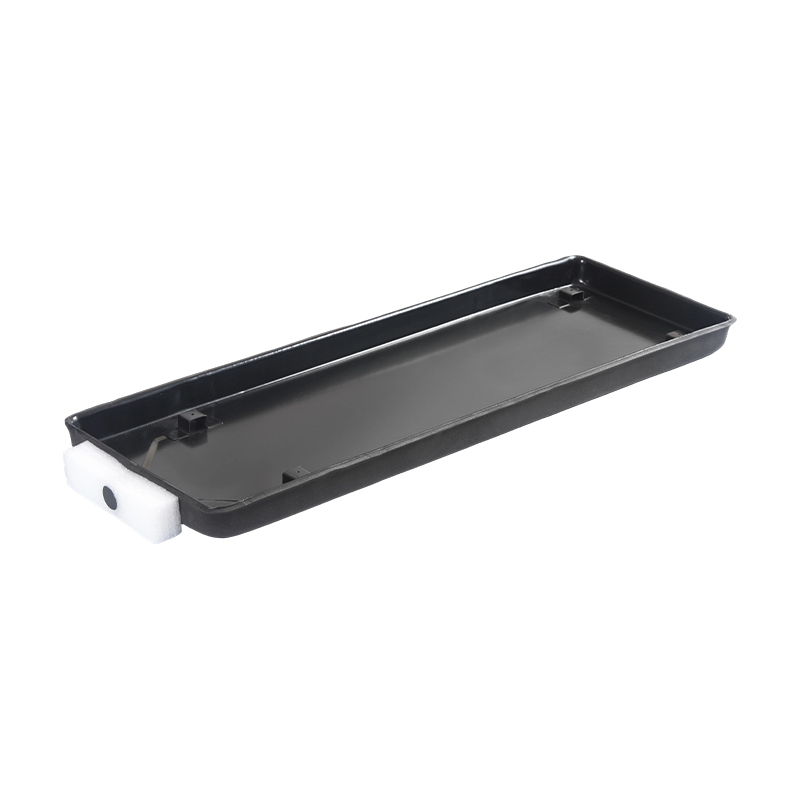
Indoor Air Conditioner Ventilation Fans Manufacturers
-
Central air conditioning fan coil units are the te...
-
The central air conditioning return air box is a c...


Indoor Units are the core components of air conditioning, ventilation, or air handling systems, typically installed inside buildings, responsible for air conditioning, circulation, and purification. Their design balances functionality and spatial adaptability to meet environmental control needs in various settings.
■ Key Features
▸ Modular Design
Supports flexible combination and expansion, allowing for adjustment of capacity and functional configuration according to customer needs, suitable for commercial, industrial, and residential applications.
▸ High-Efficiency Control
Integrates intelligent temperature control and airflow optimization technologies to ensure a balance between energy consumption and performance, while reducing operating noise and enhancing user experience.
▸ Customized Adaptation
Offers in-depth customization of size, materials, and interfaces, compatible with new construction or renovation projects, meeting special installation conditions or aesthetic requirements.
▸ Manufacturing Capabilities
Relies on large-scale production lines and precision processes to ensure product consistency; also supports small-batch customization to quickly respond to differentiated needs.
▸ Multi-Scenario Applications
Covers conventional heating and cooling, constant humidity control, industrial exhaust, and other needs, suitable for high-standard environments such as data centers and medical facilities.
■ Core Advantages
Technology Integration: Integrates core technologies such as heat exchange and variable frequency drives to optimize energy efficiency and reliability.
Flexible Production: From standard models to non-standard designs, rapid delivery is achievable.
About Us
Cixi Chenfeng Electric Co., Ltd
Cixi Chenfeng Electric Co.,Ltd.is a
professional
enterprise in the
electrical field,
focusing on the development and production of central air conditioning accessories.
Cixi Chenfeng Electric Co., Ltd is a China custom air conditioner indoor unit factory and indoor units manufacturers. We provide wholesale ODM/OEM customization services.
With excellent technical strength, reliable product quality and good market reputation, the company occupies an important position in the central air conditioning accessories industry. The company occupies an important position in the central air conditioning accessories industry. The company occupies an important position in the central air conditioning accessories industry.
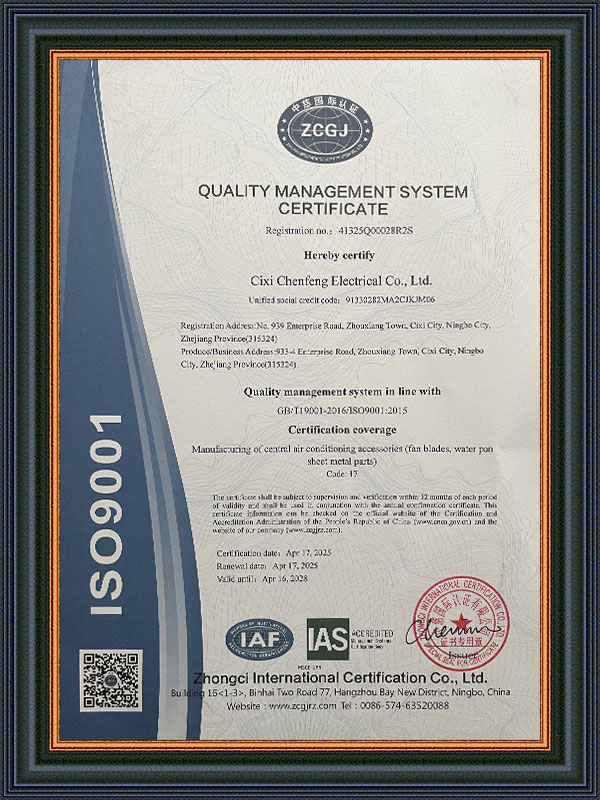
Certificate Of Honour
Message Feedback
Indoor Units Industry knowledge
1. Indoor Units in Air Conditioning Systems
Indoor units play a crucial role in the overall performance of an air conditioning (AC) system. These units are responsible for circulating cooled or heated air throughout the indoor spaces. There are several types of indoor units designed to meet various cooling and heating requirements. Understanding the functions, features, and benefits of these units can help consumers and businesses make informed decisions when choosing air conditioning solutions.
(1) Types of Indoor Units
Indoor units come in various designs and configurations, each suitable for specific applications. Below are some of the most common types of indoor units:
- Wall-Mounted Units
- Ceiling Cassette Units
- Floor-Standing Units
- Ducted Units
(2) Key Features and Benefits
The features and benefits of indoor units vary based on the type of unit and its intended use. Here are some of the key features that consumers should consider:
- Energy Efficiency: Modern indoor units are designed to minimize energy consumption while maximizing performance, resulting in lower utility bills.
- Silent Operation: Many indoor units are engineered to operate quietly, ensuring comfort without disrupting the environment.
- Space-Saving Design: Wall-mounted and ceiling cassette units are designed to save valuable floor space, making them ideal for small or cramped environments.
- Easy Maintenance: Units with removable filters and easy-to-clean components reduce the time and effort needed for maintenance.
(3) Choosing the Right Indoor Unit
Choosing the right indoor unit for your space depends on several factors including room size, design preferences, and performance needs. It’s essential to consult with a professional to ensure that the unit matches the specifications required for optimal comfort and efficiency.
For example, a small office might benefit from a wall-mounted unit that provides targeted cooling, while a larger commercial building may require multiple ceiling cassette units for even distribution of air. Additionally, it is important to consider the unit’s cooling/heating capacity, which is typically measured in BTUs (British Thermal Units). A unit with the appropriate BTU rating ensures effective temperature control without wasting energy.
(4) Company Introduction: Cixi Chenfeng Electric Co., Ltd.
Cixi Chenfeng Electric Co., Ltd. is a professional enterprise in the electrical field, specializing in the development and production of central air conditioning accessories. With excellent technical strength, reliable product quality, and a strong market reputation, the company occupies a leading position in the air conditioning accessory industry.
We offer a comprehensive range of manufacturing services, from standard parts to customized OEM/ODM, and can produce various air conditioning sheet metal components. Our deep understanding of the air conditioning industry allows us to provide high-quality products as well as professional advice and optimization solutions from the design stage, making us your reliable one-stop technology partner.
(5) Indoor Units Performance Table
| Type | Energy Efficiency | Noise Level (dB) | Price Range |
|---|---|---|---|
| Wall-Mounted | High | 25-35 | $200-$800 |
| Ceiling Cassette | Medium | 30-45 | $500-$1500 |
| Floor-Standing | Medium | 35-50 | $400-$1000 |
| Ducted | Very High | 25-40 | $700-$2000 |
2. Common FAQs
Q1: How do I choose the right indoor unit for my room?
To choose the right indoor unit, consider the size of the room, your cooling/heating needs, and your preferred installation method. For a small room, a wall-mounted unit may be sufficient, while larger spaces may benefit from ducted or ceiling cassette systems.
Q2: What is the lifespan of an indoor unit?
The lifespan of an indoor unit typically ranges between 10 to 15 years, depending on the quality of the unit and how well it is maintained.
Q3: Are indoor units energy-efficient?
Yes, modern indoor units are designed with energy efficiency in mind, often rated with a high SEER (Seasonal Energy Efficiency Ratio) for optimal performance. The energy efficiency varies depending on the unit type and model, but they generally consume less energy compared to older systems.

Contact info.
 +86-0574-63301198
 +86-13706742730
 [email protected]
 No. 939, Qiye Road, Zhouxiang Town, Cixi City, Ningbo City, Zhejiang Province, China
Get A Free Quote
Copyright © 2025 by Cixi Chenfeng Electric Co., Ltd All Rights Reserved. Indoor Air Circulation Equipment Factory Indoor Air Handling Units Manufacturers
